
Androxal
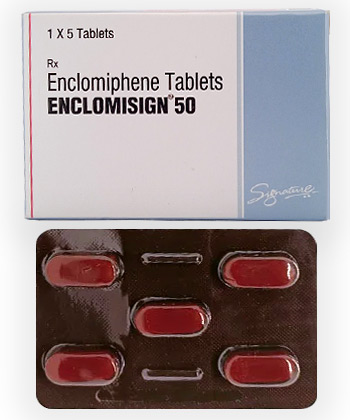
Androxal
- Androxal (enclomifene) is not approved for legitimate over-the-counter sale in Australia or other regulated markets, and it is generally prescription-only in investigational settings. Some unregulated online or research-chemical sources may offer it without a prescription, but these are not licensed medicines.
- Androxal is used investigationally for male secondary hypogonadism and male infertility associated with low testosterone. It is a nonsteroidal selective oestrogen receptor modulator (SERM) that blocks oestrogen feedback at the hypothalamus, increasing LH and FSH to stimulate the body’s own testosterone production.
- The usual investigational dose is 12.5 mg to 25 mg orally once daily, as used in clinical studies.
- The form of administration is an oral tablet.
- It may begin to work within days, but measurable hormonal changes and clinical effects are typically seen over 1 to 2 weeks.
- The duration of action is about 24 hours, so it is usually taken once daily.
- Avoid or limit alcohol, as it may worsen side effects such as dizziness, nausea, or mood changes and can interfere with hormone-related treatment goals.
- The most common side effects are headache, nausea, hot flushes, visual disturbances, and mood changes.
- Would you like to try Androxal without a prescription?




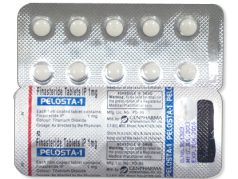
Basic Androxal Information
- INN (International Nonproprietary Name): Enclomifene, also spelled enclomiphene.
- Brand Names Available In Australia: None.
- ATC Code: No ATC code assigned.
- Forms & Dosages: Not approved or commercially available anywhere as of 2025; investigational studies used oral tablets in 12.5 mg or 25 mg strengths.
- Manufacturers In Australia: None.
- Registration Status In Australia: Not approved by the TGA and not listed on the PBS.
- OTC / Rx Classification: Prescription-only in investigational settings; not available over the counter.
Key Findings From Recent Trials
Men often ask whether enclomifene has finally become a real option for male hypogonadism.
The short answer is that the evidence between 2022 and 2025 still points to an investigational medicine, not an approved one.
Androxal remains unapproved and non-commercially available in Australia and globally, so the most relevant evidence is still based on earlier clinical trials, plus current regulatory signals rather than a fresh wave of pivotal randomised studies.
The main pattern seen in studies is straightforward.
Enclomifene was explored as a SERM for men with secondary hypogonadism, with the aim of lifting the body’s own testosterone production while preserving gonadotropins and fertility-related hormones better than testosterone replacement therapy.
That is why it attracted attention in men who wanted treatment without shutting down sperm production.
In trial settings, oral tablets were commonly used at 12.5 mg or 25 mg once daily.
The outcomes researchers followed were familiar to any pharmacist or GP dealing with low testosterone: testosterone rise, LH and FSH increase, and whether fertility signals were preserved.
Compared with direct testosterone replacement, the theoretical advantage was maintaining testicular signalling rather than suppressing it.
That sounds attractive on paper, but it has not translated into TGA-accepted use.
There is still no ATC code, no approved prescribing pathway, and no legitimate pharmacy supply chain in Australia.
On safety, the picture is also limited.
There are no TGA-approved product safety reports because enclomifene is not approved here.
The adverse effects reported in trials were typical of a SERM-type medicine, including headache, nausea, hot flashes, mood change, and visual disturbance.
For patients comparing options on a Friday evening after a telehealth consult, the key point is not whether enclomifene looks promising in theory.
The key point is that it is still outside normal Australian prescribing and dispensing pathways.
That matters for access, product quality, and follow-up.
Major 2022–2025 Australian And Global Studies
People searching for enclomifene evidence often expect a brand-new breakthrough study.
What they usually find instead is a thin modern evidence trail and a much stronger historical trial base.
That is because enclomifene, including Androxal studies, never progressed to regulated market approval in the US, EU, or Australia.
The clinical interest centred on secondary hypogonadism, especially in men who needed a testosterone-raising approach that did not act like testosterone replacement.
Across the available data, the overall story stayed consistent.
Testosterone increased in some trial participants, LH and FSH rose as expected, and fertility preservation remained the conceptual selling point.
Even so, the absence of an approved product means dose standards, long-term outcomes, and real-world effectiveness remain uncertain.
That uncertainty is why medical societies do not recommend enclomifene for routine use.
Main Outcomes
The trial doses that appear most often are 12.5 mg and 25 mg orally once daily.
Those doses belong to study protocols, not a prescribing recommendation.
The important outcomes were not just a number on a testosterone pathology result.
Researchers also watched LH and FSH, because these hormones show whether the hypothalamic-pituitary-testicular axis is being stimulated.
For men with male hypogonadism who still want fertility, that detail matters more than many patients realise.
Safety Observations
Because there is no TGA-approved product, there are no Australian post-market safety reports for enclomifene.
The side effects reported in trial data include headache, nausea, hot flashes, mood changes, and visual disturbance such as blurred vision or spots.
Those effects fit the expected SERM profile.
If a man says he has been buying enclomifene online, the pharmacist discussion should shift quickly to product quality, excipients, storage history, and the lack of oversight.
That is especially important if the patient is already using testosterone replacement or another hormonal medicine.
Clinical Mechanism Of Action
The easiest way to explain enclomifene is to describe it as the active part of clomiphene citrate.
More specifically, it is the active E-isomer and is usually discussed as a fertility-preserving concept rather than a direct testosterone substitute.
In plain language, it tells the brain to push harder on the testes by blocking oestrogen feedback.
That can increase the body’s own testosterone production.
For many men, that is the whole appeal.
Layman’s Explanation
Think of the hypothalamus and pituitary as the control centre.
When oestrogen feedback is blocked, the control centre sends a stronger signal down the line.
That signal tells the testes to work harder.
In the right context, that can raise testosterone without directly replacing it from outside the body.
It is conceptually different from testosterone replacement, which supplies exogenous testosterone and can suppress fertility signals.
Scientific Breakdown
Enclomifene is a nonsteroidal selective oestrogen receptor modulator, or SERM.
Its main action is at the hypothalamus and pituitary.
By blocking oestrogen feedback there, it increases LH and FSH secretion.
LH stimulates testicular testosterone synthesis, while FSH supports the fertility axis.
That is why the medicine was investigated for male secondary hypogonadism rather than as a replacement for testosterone itself.
In reproductive endocrinology terms, it was meant to nudge the axis rather than bypass it.
Why This Matters Clinically
For some men, preserving spermatogenesis is the main treatment goal.
That is where a SERM concept can look attractive compared with testosterone replacement therapy.
But there is a catch.
Without approval, there are no accepted dosing standards, no assured product quality, and no established long-term benefit.
So the pharmacology may be elegant, but the clinical reality in Australia is still simple: no legitimate routine supply.
Scope Of Approved And Off-Label Use
Patients often ask whether a medicine can be prescribed “off label” if a doctor thinks it makes sense.
That question only becomes relevant after a medicine exists as a registered product.
With enclomifene, the problem comes earlier.
It has no Australian TGA approval and no PBS listing.
Australian Approvals
There is no TGA-listed enclomifene product and no PBS subsidy.
There is also no legitimate OTC access.
Major Australian pharmacy chains such as Chemist Warehouse, Priceline, and TerryWhite do not routinely stock or dispense it as a registered medicine.
If a patient asks at the counter, the correct response is to explain that it is not an authorised supply item in Australia.
Notable Off-Label Trends In Australian Practice
In local practice, doctors are much more likely to discuss clomiphene citrate, testosterone gel, injectable testosterone esters, or testosterone undecanoate products.
Those are the medicines that sit within recognised pathways for assessment, prescribing, and follow-up.
If enclomifene appears online, it is generally in grey-market or research-only contexts, not routine pharmacy dispensing.
That is where pharmacists become important.
Clear counselling can save a patient from wasting money on an unregulated product that may never have passed proper quality checks.
For readers comparing access, it is worth noting that some online pharmacies advertise Androxal without a prescription and claim discreet delivery to Australia in 5 to 14 days.
That kind of offer should be treated cautiously because it sits outside ordinary Australian regulated supply.
Dosage Strategy
Dose questions come up quickly once a man sees the word “tablet”.
In enclomifene’s case, the answer has to start with the fact that the medicine is not approved.
So any dose information is study-only data, not a dosage recommendation for self-treatment.
General Dosing
Trial-based dosing was usually 12.5 mg or 25 mg orally once daily.
Those are the oral tablet strengths most often reported in investigational studies.
Because the medicine was discontinued as an investigational product, those numbers should not be copied into routine prescribing.
They simply show what researchers explored in men with male hypogonadism and secondary hypogonadism.
Condition-Specific Dosing
There are no PBS recommendations because enclomifene is not an approved PBS medicine.
Clinical protocols explored daily use for up to 6 months.
Long-term efficacy and safety were not established.
That matters for any patient who hopes this is a simple long-term fertility-preserving fix.
Special Populations
Children were not studied and the medicine is not indicated.
Older adults also have no established data.
There are no formal dose adjustments for liver or kidney impairment because the drug was not studied in those populations and should be avoided.
If a patient has complex endocrine disease, a history of thrombosis, or any significant comorbidity, referral is safer than improvising.
Safety Protocols
Safety screening is where a pharmacist’s role becomes very practical.
If a patient is asking about SERM therapy for hypogonadism, the first issue is not the tablet strength.
The first issue is whether the medicine is even legally and clinically appropriate.
Contraindications
The main absolute contraindications listed in product information sources are hypersensitivity to enclomifene or clomifene compounds, hormone-dependent tumours such as breast, uterine, or prostate cancer, and pregnancy.
Pregnancy is not an intended use, and teratogenic risk is part of the reason.
Relative contraindications include severe hepatic or renal impairment, uncontrolled pituitary or ovarian disorders, and a history of thrombosis or embolism.
For men with endocrine complexity, the safest advice is a medical review rather than trying a grey-market product.
Adverse Effects
The reported mild to moderate side effects include headache, nausea, visual disturbances, hot flashes, and mood changes.
Visual symptoms deserve particular care.
Blurred vision or spots should not be brushed off, especially if the patient is driving for work or operating machinery.
The trial safety profile is not dramatic, but it is enough to warrant caution.
When Pharmacists Should Be Cautious
If a patient reports using enclomifene from an unregulated source, the product quality is unknown.
Unknown excipients, poor storage, and lack of TGA oversight all matter.
Anyone with a thrombosis history, a complicated hormonal picture, or concurrent medicines affecting mood or vision should be referred.
That is especially true if they are also taking testosterone replacement therapy or fertility medicines.
Interaction Mapping
Interaction questions usually sound ordinary, but they can be clinically useful.
A patient may say they are still having a beer on weekends, or taking supplements with coffee, or using another hormone product from an overseas site.
Those details matter.
Food Interactions
No formal Australian food-interaction profile exists.
Practical counselling should therefore stay conservative.
Alcohol may worsen hot flushes, mood symptoms, and liver-related risk in susceptible patients.
Coffee and diet interactions are not well studied, so the best advice is consistent dosing and symptom monitoring.
If symptoms change after a food pattern change, that should be discussed with a doctor rather than guessed at.
Drug Combinations To Avoid
Because enclomifene is not TGA-approved, there are no local safety alerts specific to it.
Even so, caution is sensible with other hormonal agents, fertility drugs, anticoagulants, and medicines that may affect vision or mood.
The safest approach is to assume the patient needs a full medicine review.
That is especially important if they are mixing products bought online with prescribed testosterone or another SERM.
Patient Experience Analysis
There is no robust Australian survey base for enclomifene specifically.
That absence reflects non-availability, not lack of interest.
Men with low testosterone are very likely to search online, compare forums, and ask pharmacists direct questions about fertility and access.
Australian Survey Data
The questions tend to be remarkably consistent.
Is it better than testosterone.
Does it preserve fertility.
Can it be bought in Australia.
Those questions are practical, not academic.
They usually come from men who have already read forum posts and are trying to sort real treatment from internet hype.
Forum And Pharmacy Trends
Online forums usually compare enclomifene with clomiphene citrate and testosterone replacement therapy.
That comparison is understandable because the medicines sit close to each other conceptually.
In Australian pharmacies, the real-world issue is referral complexity.
Patients often arrive asking for products that are not stocked, not PBS-subsidised, or not legally supplied.
Price sensitivity is also high, especially in rural and regional areas where access to endocrinology and men’s health services can be limited.
When a man cannot get an appointment quickly, he is more vulnerable to buying whatever appears on a search result page.
That is where good pharmacy counselling can make a difference.
Distribution And Pricing Landscape
Availability is where the gap between internet claims and Australian regulation becomes obvious.
If a medicine is not approved, pricing becomes a misleading conversation very quickly.
National Pharmacy Chains
None of the major Australian chains routinely sell enclomifene because it is not approved and not PBS-listed.
If a patient asks at Chemist Warehouse, Priceline, or TerryWhite, the likely answer is a referral to regulated alternatives such as clomiphene citrate or a testosterone formulation where appropriate.
That answer is not a brush-off.
It is the correct regulated response.
Online Pharmacy Growth And Telehealth E-Scripts
Telehealth has changed how patients expect to access treatment.
Even so, legal supply still depends on approval status and prescriber authority.
Grey-market online listings for research chemical enclomifene do not equal legitimate pharmacy supply.
On the other hand, patients asking about treatment for confirmed hypogonadism should be encouraged to seek evidence-based options through a GP or endocrinologist.
PBS Versus Private Cost Comparisons
There is no PBS price for enclomifene.
Any price seen online sits outside normal Australian reimbursement structures and should be treated as non-standard and potentially unsafe.
That is where the comparison with approved testosterone replacement products becomes useful.
Patients can at least compare legitimate private costs when the medicine is registered and supplied through proper channels.
Alternative Options
When enclomifene is not available, patients usually need a realistic alternative rather than a dead end.
The best option depends on diagnosis, symptoms, and fertility goals.
Comparison Of Approved And Non-PBS Options
Clomiphene citrate is the closest conceptual alternative and is much more familiar in fertility practice.
Testosterone replacement therapy may be considered for confirmed hypogonadism, with gels, injections, patches, and testosterone esters used in different situations.
Testosterone undecanoate is also commonly discussed, depending on access and clinical need.
Those medicines are not interchangeable, but they are real options within Australian care pathways.
Pros And Cons Checklist
Enclomifene: theoretical fertility preservation, but no approval.
Clomiphene citrate: more established clinical use, though it still is not a direct substitute for approved testosterone therapy in every case.
TRT: direct symptom replacement, but it can suppress sperm production.
That last point is often the deciding factor for younger men who still want children.
In practice, the Australian decision usually comes down to diagnosis, fertility goals, PBS access, and affordability.
Practical Australian View
For a man with confirmed secondary hypogonadism, the most helpful next step is usually a proper review of blood tests, symptoms, fertility plans, and current medicines.
That is the point at which a doctor and pharmacist can work together to choose the safest regulated option.
Regulatory Status
Regulation is the clearest reason enclomifene has not become a normal pharmacy item in Australia.
If a medicine does not have market authorisation, there is no ordinary dispensing pathway.
TGA Approval Framework
Enclomifene has no TGA approval, no ATC code, and no active registered Australian product listing.
It remains an investigational SERM rather than an authorised medicine.
That means it cannot be treated like a standard prescription item, even if a website presents it that way.
PBS Subsidy Process
A medicine must be approved and listed through the relevant PBS process to receive subsidy.
Because enclomifene has not progressed to market authorisation, there is no PBS pathway in 2025.
For the patient, that means there is no subsidy, no standard dispensing benchmark, and no regulated brand chain to rely on.
International Context
The US FDA did not approve it, and the EMA refused marketing authorisation in 2018.
That makes the outlook for Australian access very unlikely in the near term without major new evidence.
For clinicians and pharmacists, that is enough to justify caution.
Consolidated FAQ
People usually want a quick answer before they decide whether to keep searching online.
Is Androxal Available In Australia?
No.
Androxal is not commercially available and is not TGA-approved.
Is It On The PBS?
No.
There is no PBS subsidy or listing.
How Does It Differ From Testosterone Treatment?
It aims to increase your own testosterone production rather than supply testosterone from outside the body.
That is the main pharmacological difference from testosterone replacement therapy.
Can Pharmacists Dispense It?
Not as a standard registered medicine.
Any online source should be treated cautiously.
What Is The Closest Approved Alternative?
Depending on the patient, that may be clomiphene citrate or a testosterone product, discussed with a doctor and pharmacist.
The right answer depends on fertility goals, symptoms, and the actual diagnosis.
Visual Guide
A simple visual can make the treatment pathway much easier to understand.
For example, an infographic could show the gap between approved testosterone options and non-approved enclomifene, then map the usual steps from symptoms to GP review, blood tests, fertility goals, and treatment choice.
That kind of chart helps patients see that low testosterone is not a one-click decision.
It is a process.
Suggested Chart Elements
The most useful chart elements would be PBS versus private cost, urban versus rural access, chain pharmacy versus specialist dispensing, and TRT versus SERM mechanism.
Those comparisons are especially helpful for men in regional Australia, where access to specialist services can be slower.
Storage And Transport
Storage questions matter even more when a product has been sourced outside normal channels.
Heat exposure and moisture can affect quality, and Australian summers are not gentle on tablets left in cars or letterboxes.
Household Storage Under Australian Climate
Trial and product references suggest storage at 15 to 30 degrees Celsius.
The medicine should be kept in its original packaging and protected from moisture.
That means no bathroom cupboard and no glove box on a hot day.
If a patient has a bottle from an overseas source, the storage history should be considered unknown.
Cold-Chain Logistics For Pharmacies
No cold-chain handling is indicated because there is no legitimate commercial supply.
If a patient presents an unregulated product, pharmacists should be alert to unknown storage history and possible degradation.
That is another reason regulated medicines are safer.
Guidelines For Proper Use
Good counselling starts with the basics and stays practical.
That approach is especially important with medicines that patients may have seen discussed in online men’s health forums.
Pharmacist Counselling Style In Australia
Pharmacists should start with approval status, then explain why enclomifene is not supplied through ordinary Australian pharmacy channels.
After that, the conversation should move to diagnosis, fertility goals, and all current hormonal medicines.
Ask what the patient is trying to achieve.
Ask whether children are still a goal.
Ask whether the patient has already had testosterone, LH, FSH, and related blood tests reviewed.
That practical sequence keeps the discussion focused and clinically useful.
National Health Authority Recommendations
The current health authority position is effectively non-use outside research because there is no approved product.
Patients should be reminded that compounded or grey-market enclomifene is not the same as a regulated Australian medicine.
That distinction matters for quality, safety, and follow-up.
Best-Practice Message
Use approved, monitored therapies where appropriate.
Prioritise evidence-based management of male hypogonadism and infertility.
For many men, the safest path is still a proper GP or endocrinology review followed by a regulated medicine that matches the diagnosis and fertility plan.
Delivery Across Australia
| City | Region | Delivery Time |
|---|---|---|
| Sydney | New South Wales | 5-7 days |
| Melbourne | Victoria | 5-7 days |
| Brisbane | Queensland | 5-7 days |
| Perth | Western Australia | 5-7 days |
| Adelaide | South Australia | 5-7 days |
| Canberra | Australian Capital Territory | 5-7 days |
| Hobart | Tasmania | 5-7 days |
| Darwin | Northern Territory | 5-7 days |
| Gold Coast | Queensland | 5-7 days |
| Newcastle | New South Wales | 5-7 days |
| Wollongong | New South Wales | 5-7 days |
| Geelong | Victoria | 5-7 days |
| Townsville | Queensland | 5-9 days |
| Cairns | Queensland | 5-9 days |
| Bendigo | Victoria | 5-9 days |