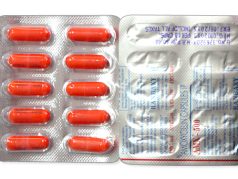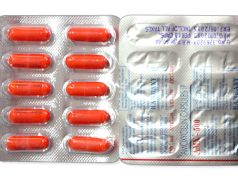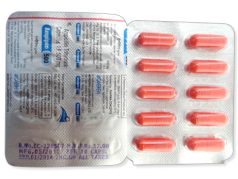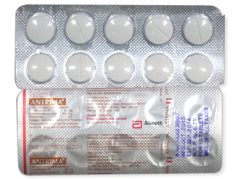
Antibiotics are powerful medications designed to fight bacterial infections by either killing bacteria or stopping their growth. These medicines have revolutionised modern healthcare and have saved millions of lives since their discovery. Antibiotics work through different mechanisms depending on their type. Some antibiotics, like penicillins, destroy the bacterial cell wall, causing the bacteria to die. Others, such as tetracyclines, interfere with bacterial protein production, preventing the bacteria from multiplying and spreading throughout your body.
It's important to understand that antibiotics only work against bacterial infections, not viral infections like the common cold or flu. Using antibiotics incorrectly can lead to antibiotic resistance, making these vital medicines less effective over time. This is why it's crucial to take antibiotics exactly as prescribed by your doctor and to complete the full course, even if you start feeling better before finishing the medication.
Australia has strict guidelines about antibiotic use to help prevent resistance and ensure these medications remain effective for future generations. Your pharmacist and doctor are excellent resources for understanding whether you actually need an antibiotic for your specific condition.
Penicillins are amongst the most commonly prescribed antibiotics in Australia and remain highly effective for many infections. Amoxicillin is a widely available oral penicillin used to treat ear infections, urinary tract infections, and respiratory infections. Ampicillin is another penicillin-type antibiotic available in Australia. For patients allergic to standard penicillins, amoxicillin-clavulanate (Augmentin) offers broader protection. Cephalexin, a cephalosporin antibiotic, is frequently prescribed for skin infections, throat infections, and other bacterial conditions.
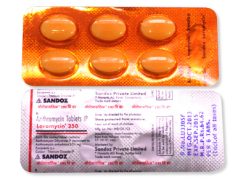
Azithromycin and erythromycin are macrolide antibiotics commonly found in Australian pharmacies. Azithromycin is particularly popular because it requires fewer doses over a shorter period. These antibiotics are effective against respiratory infections, skin infections, and certain sexually transmitted infections. They're also often prescribed to patients with penicillin allergies as an alternative option.
Ciprofloxacin and norfloxacin are fluoroquinolone antibiotics available in Australia. These broad-spectrum antibiotics are particularly useful for urinary tract infections and certain respiratory infections. They're typically reserved for more serious infections or when other antibiotics haven't proven effective, as they can have more significant side effects in some patients.
Doxycycline is a tetracycline antibiotic readily available in Australia and is used to treat acne, respiratory infections, and urinary tract infections. It's also commonly prescribed for certain sexually transmitted infections and tick-borne illnesses. Tetracyclines are generally well-tolerated and often become a first-line treatment for specific conditions.
Chest infections, bronchitis, and pneumonia are often treated with antibiotics when caused by bacteria. Conditions like strep throat benefit significantly from antibiotic treatment. Upper respiratory infections caused by bacteria may be treated with antibiotics, though many are viral and don't require them. Your doctor will determine whether your respiratory symptoms warrant antibiotic treatment.
Urinary tract infections, commonly called UTIs, are frequently treated with antibiotics in Australia. These infections can affect the bladder, urethra, and kidneys. Common antibiotics for UTIs include trimethoprim-sulfamethoxazole and nitrofurantoin, which concentrate in the urinary tract. Cystitis, an infection of the bladder, typically responds well to short courses of antibiotics.
Bacterial skin infections including cellulitis, impetigo, and infected wounds often require antibiotic treatment. Oral antibiotics like cephalexin or flucloxacillin are commonly prescribed. Severe skin infections may require intravenous antibiotics administered in hospital settings.
Ear infections, particularly otitis media and otitis externa, frequently benefit from antibiotic treatment. Eye infections like bacterial conjunctivitis are often treated with topical antibiotic drops or ointments. These infections are common in both children and adults and generally respond well to appropriate antibiotic therapy.
Like all medications, antibiotics can cause side effects in some patients. Common side effects include nausea, vomiting, diarrhoea, and abdominal discomfort. These mild side effects often subside as your body adjusts to the medication. More serious allergic reactions can occur, particularly with penicillin-based antibiotics, ranging from rashes to severe anaphylaxis.
Gastrointestinal disturbances are amongst the most frequently reported side effects. Diarrhoea may occur because antibiotics can affect beneficial bacteria in your gut. Photosensitivity is a notable side effect of tetracycline antibiotics, making your skin more sensitive to sunlight. Some antibiotics can interact with other medications, including oral contraceptives, so inform your doctor and pharmacist about all medications you're taking.
Important safety considerations include:
Taking antibiotics exactly as prescribed is essential for effective treatment and to prevent antibiotic resistance. Complete the entire course even if you feel better after a few days. Never skip doses or stop taking antibiotics early, as this allows bacteria to survive and develop resistance. Take antibiotics at the times specified, maintaining consistent intervals between doses for optimal effectiveness.
Some antibiotics should be taken with food, whilst others work best on an empty stomach. Your pharmacist will provide specific instructions about whether to take your antibiotics with or without meals. Store antibiotics at the appropriate temperature, usually at room temperature away from moisture and direct sunlight. Never share antibiotics with other people, even if they appear to have the same infection.
Keep track of when you take each dose, perhaps using a calendar or phone reminder. If you forget a dose, take it as soon as you remember unless it's nearly time for your next dose. Report any unusual side effects to your doctor or pharmacist promptly. Finish your antibiotic course completely rather than saving leftover medication for future use.
Antibiotic resistance occurs when bacteria evolve and develop the ability to survive antibiotic treatment, making these medications less effective. Overuse and misuse of antibiotics are primary drivers of resistance. In Australia, regulatory bodies work to ensure antibiotics are prescribed responsibly and used only when genuinely needed.
Using antibiotics for viral infections like colds and flu doesn't help and contributes to resistance. Many infections are viral and will resolve on their own without antibiotic intervention. By using antibiotics only when prescribed for bacterial infections, you help preserve their effectiveness for everyone. Proper disposal of unused or expired antibiotics is also important. Many Australian pharmacies accept old medications for safe disposal, so return unused antibiotics rather than flushing them down the toilet.
Healthcare providers and pharmacists in Australia are trained to consider antibiotic resistance when prescribing. They often choose antibiotics carefully, sometimes performing tests to identify the specific bacteria causing infection. Your cooperation in taking antibiotics responsibly contributes significantly to maintaining these vital medicines' effectiveness for future generations and helps combat the global challenge of antibiotic resistance.