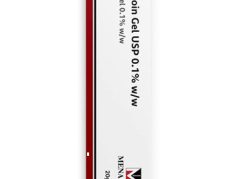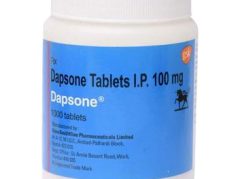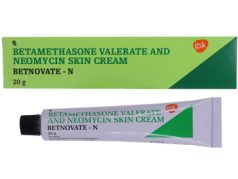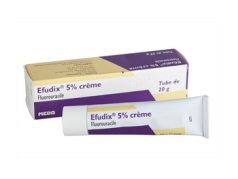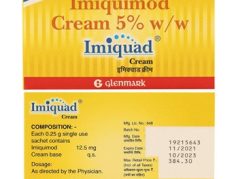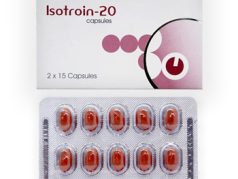
Acne is one of the most common skin conditions affecting people of all ages in Australia. It occurs when hair follicles become clogged with dead skin cells and sebum, leading to the formation of pimples, blackheads, and whiteheads. Acne can appear on the face, chest, back, and shoulders, causing both physical discomfort and emotional distress.
Acne treatments work to reduce excess oil production, prevent bacterial growth, and promote skin cell turnover. These products help minimise inflammation, prevent scarring, and clear existing breakouts whilst preventing new ones from forming. By addressing the root causes of acne, quality treatments can restore your confidence and improve your overall skin health.
In Australia, you'll find various acne treatments tailored to different needs and preferences:
It's important to start acne treatment gradually, as some products can cause initial dryness and irritation. Consistency is key—most treatments require 6–8 weeks of regular use before significant improvement is visible. Always cleanse your skin gently and avoid over-treating, which can damage your skin barrier. If over-the-counter treatments don't work after two months, consult a healthcare professional for personalised advice.
Fine lines, wrinkles, and loss of skin elasticity are natural signs of ageing. However, with the right skincare approach, you can minimise their appearance and maintain a more youthful complexion. Anti-aging products work by promoting collagen production, improving skin hydration, and protecting against environmental damage that accelerates the ageing process.
These products target crow's feet, forehead lines, and loss of firmness by boosting skin cell renewal and increasing moisture retention. They help restore skin's natural radiance and can prevent new wrinkles from forming when used consistently. Anti-aging treatments also protect your skin from sun damage and free radicals that accelerate ageing, making them an essential investment in your long-term skin health.
Australian pharmacies stock numerous anti-aging brands including Olay Regenerist, Nivea Q10, and RoC Retinol. Prescription retinoids like Tretinoin and Adapalene are available through Australian doctors. Many Australians use vitamin C serums from brands such as Environ and Medik8, alongside hyaluronic acid products from Neutrogena and La Roche-Posay. Peptide-based creams and eye serums are also increasingly popular for targeting specific areas of concern.
Retinol and retinoids are considered gold-standard anti-aging ingredients but require gradual introduction to your routine. Always use sunscreen daily, as sun exposure is the primary cause of premature ageing. Professional treatments like dermal rolling and chemical peels can complement your home skincare routine for enhanced results. Results typically appear after 8–12 weeks of consistent use.
Proper hydration is fundamental to healthy skin. A good moisturiser maintains your skin's moisture barrier, prevents water loss, and keeps your complexion looking plump and youthful. Whether you have dry, oily, or combination skin, finding the right moisturiser is essential for overall skin health and should form the foundation of your daily routine.
Moisturisers prevent dehydration, reduce flakiness, and soothe irritated skin. They create a protective barrier that locks in moisture and shields your skin from environmental stressors. Quality moisturising also helps reduce the appearance of fine lines and improves skin texture. For those with sensitive skin, a good moisturiser can calm redness and inflammation whilst strengthening your skin's natural defence mechanisms.
Australians trust brands like CeraVe for ceramide-rich formulas, Cetaphil for gentle hydration, and Aveeno for natural oat-based solutions. Luxe options include La Roche-Posay Toleriane and Eucerin Advanced Repair. For those seeking natural alternatives, QV and Sukin offer excellent organic moisturisers. Hyaluronic acid products from Neutrogena and serums from Medik8 provide intensive hydration. Many Australians also use facial oils from brands like Weleda and Pai Skincare for added nourishment.
Choose a moisturiser suited to your skin type—lighter gels for oily skin and richer creams for dry skin. Apply moisturiser to damp skin to enhance absorption and maximise its benefits. During Australia's hot summers, lighter formulas prevent the heavy, greasy feeling, whilst winter months may require richer textures. Layering moisturiser over hydrating serums amplifies benefits and creates optimal skin hydration.
Australia experiences intense UV radiation, making sun protection absolutely critical for skin health. Sunscreen prevents skin cancer, premature ageing, and sun damage. Regular use of quality sun protection is one of the most important steps in any skincare routine for Australian residents and should never be skipped.
Sunscreens create a barrier against UVA and UVB rays that cause skin damage, age spots, and skin cancer. Daily sun protection prevents cumulative damage and maintains an even skin tone. Sun protection products also prevent existing skin conditions from worsening and protect from environmental pollution that can compromise skin health.
Australian pharmacies offer excellent sun protection options including:
Use at least SPF 30, though SPF 50+ is recommended for Australia's strong sun. Apply generously and reapply every two hours or after swimming. Incorporate sun protection into your daily routine regardless of weather. Don't forget often-missed areas like ears, the back of your neck, and your décolletage. Combining physical protection with sunscreen provides optimal coverage.
Sensitive skin requires gentle, targeted care to prevent irritation and inflammation. Reactive skin conditions include rosacea, eczema, and dermatitis. Using appropriate products helps calm irritation, reduce redness, and restore your skin's natural balance without triggering flare-ups or causing further damage.
These products soothe inflammation, reduce redness, and strengthen your skin barrier. Sensitive skin formulas avoid common irritants like fragrance, alcohol, and harsh chemicals. They provide relief from conditions like rosacea and eczema whilst maintaining necessary hydration and protection. These products also help prevent future sensitivity reactions and restore skin health.
Australian pharmacies stock excellent sensitive skin ranges including QV, specifically designed for reactive skin. Cetaphil Gentle Skin Cleanser and moisturisers remain dermatologist-recommended. CeraVe offers ceramide-rich formulas that restore barrier function. La Roche-Posay Toleriane and Avène products are ideal for rosacea-prone skin. Sukin natural ranges suit those seeking gentler ingredients. Many Australians with sensitive skin also use products containing niacinamide, centella asiatica, and colloidal oatmeal.
Patch test new products before full application to avoid adverse reactions. Minimise your routine to essential steps—cleanser, moisturiser, and sunscreen. Avoid products containing essential oils, fragrance, and physical exfoliants. If sensitivity persists, consult a dermatologist to rule out conditions requiring medical treatment. Build your skin barrier gradually with consistent, gentle care.
Proper cleansing removes dirt, oil, and makeup whilst maintaining your skin's natural pH balance. Exfoliation removes dead skin cells, promoting cell turnover and revealing smoother, brighter skin underneath. Both steps are essential for maintaining clear, healthy skin and allowing other products to work effectively.
Cleansers remove impurities that accumulate throughout the day and prepare skin for other treatments. Exfoliants improve skin texture, reduce pore appearance, and enhance product absorption. Together, these steps prevent breakouts, improve skin clarity, and maintain an even complexion. Proper cleansing also prevents premature ageing by removing environmental damage and pollution.
Australians use gentle cleansers from Cetaphil, CeraVe, and Neutrogena for daily use. For exfoliation, chemical options include Glycolic acid products from The Ordinary and Paula's Choice, Salicylic acid treatments from Neutrogena, and Lactic acid products from Sukin. Physical exfoliants remain popular, including St Ives scrubs and exfoliating brushes from Clarisonic. Many Australians also use micellar waters and oil-based cleansers for effective makeup removal.
Cleanse twice daily with lukewarm water to avoid stripping your skin. Choose exfoliation frequency based on skin type—sensitive skin may only tolerate weekly exfoliation, whilst oily skin can handle two to three times weekly. Avoid over-exfoliating, which damages your skin barrier. Always follow cleansing and exfoliation with appropriate moisturiser and sunscreen to protect and nourish your skin.