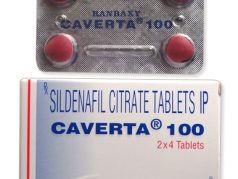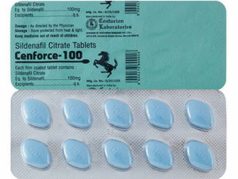
Erectile dysfunction (ED) affects many Australian men at various stages of life. This condition involves difficulty achieving or maintaining an erection sufficient for sexual activity. ED can result from physical factors such as cardiovascular disease, diabetes, or hormonal imbalances, as well as psychological factors including stress and anxiety.
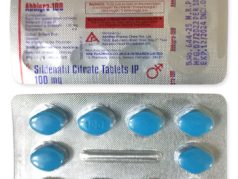
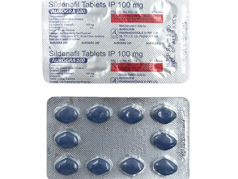
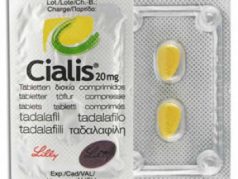
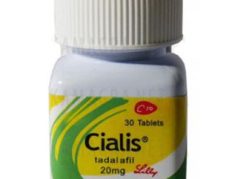
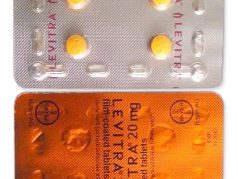
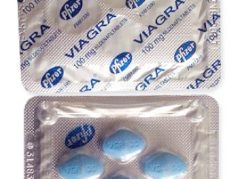
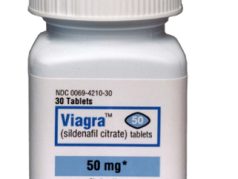
Several effective medications are available in Australia for managing ED. Sildenafil (Viagra) remains one of the most popular options, working by improving blood flow to the penis. Tadalafil (Cialis) offers a longer duration of action, making it suitable for men seeking more spontaneity. Vardenafil (Levitra) is another phosphodiesterase-5 inhibitor option. These medications typically work within 30 minutes to an hour and require sexual stimulation to be effective.
Beyond medication, treatment may include lifestyle modifications, counselling, or vacuum erection devices. Speaking with your doctor helps determine the most appropriate option for your individual circumstances.
The prostate is a vital gland in the male reproductive system, and maintaining its health becomes increasingly important with age. Benign Prostatic Hyperplasia (BPH) is an enlarged prostate that affects many older Australian men, causing urinary difficulties such as frequent urination, weak urine stream, and incomplete emptying of the bladder.
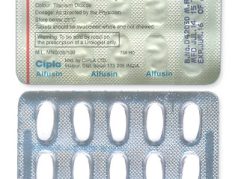
Finasteride (Proscar) helps reduce prostate size by blocking hormone conversion that causes enlargement. Dutasteride (Avodart) works similarly and is often prescribed for moderate to severe cases. Alpha-blockers like tamsulosin (Flomax) and doxazosin relax prostate muscles and bladder neck muscles, improving urine flow without shrinking the prostate.
Regular check-ups with your GP are important for monitoring prostate health. Early detection of issues allows for better management and improved quality of life.
Testosterone levels naturally decline with age in men, typically decreasing about one percent annually after age 30. Low testosterone, or hypogonadism, can cause fatigue, reduced muscle mass, decreased libido, mood changes, and difficulty concentrating. However, not all men need hormone replacement, and careful assessment is necessary.
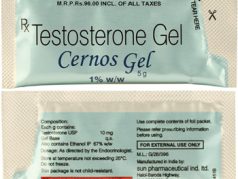
In Australia, testosterone replacement therapy is available through various delivery methods. Testosterone gels and creams provide transdermal absorption for daily application. Injectable testosterone options include long-acting formulations administered every 10–14 weeks. Oral tablets are also available but are less commonly prescribed due to liver metabolism concerns.
Testosterone replacement should only be undertaken under medical supervision with regular monitoring of hormone levels and health markers. Your doctor will assess whether treatment is appropriate for your individual situation.
Male pattern baldness affects a significant portion of Australian men, with genetics playing a major role in hair loss. This condition occurs due to sensitivity of hair follicles to dihydrotestosterone (DHT), a hormone derived from testosterone. Hair loss can impact self-confidence and emotional wellbeing.
Finasteride (Propecia) is an oral medication that blocks DHT conversion and helps slow or stop hair loss. It may also promote some regrowth in certain cases. Minoxidil (Rogaine) is a topical solution that stimulates hair growth and can be used alongside finasteride for better results. Results typically take three to six months to become apparent.
Combination therapy often provides the best outcomes. Consistency with treatment is essential, as discontinuing medication usually results in renewed hair loss. Results vary between individuals, and early treatment generally provides better outcomes.
Cardiovascular disease remains a leading health concern for Australian men. Heart health is fundamental to overall wellbeing and sexual function. Managing your cardiovascular health involves understanding and addressing key risk factors:
Statins such as atorvastatin and rosuvastatin help lower cholesterol and reduce cardiovascular risk. ACE inhibitors and beta-blockers manage blood pressure effectively. Aspirin is often recommended for cardiovascular protection in certain situations. Lifestyle modifications including regular exercise, healthy diet, weight management, and smoking cessation are equally important.
Regular health screening through your GP helps identify cardiovascular risks early. Managing these conditions reduces your risk of heart attack, stroke, and other complications whilst improving overall health and vitality.
Urinary health is an important aspect of men's wellbeing that often goes unaddressed. Urinary tract infections, incontinence, and weak urine stream can significantly impact quality of life. These issues become more common with age but can occur in men of all ages due to various causes.
Urinary tract infections are typically treated with antibiotics prescribed by your doctor. For overactive bladder symptoms, medications like oxybutynin help reduce muscle contractions. Pelvic floor exercises strengthen supporting muscles and improve bladder control. In cases of persistent weak urine flow related to BPH, treatments mentioned previously such as alpha-blockers prove effective.
Staying well-hydrated, maintaining good hygiene, and seeking prompt medical attention for symptoms help prevent complications. Your pharmacist can recommend products for bladder support and discuss concerns confidentially. Open communication with your healthcare provider ensures appropriate diagnosis and management of urinary health issues.