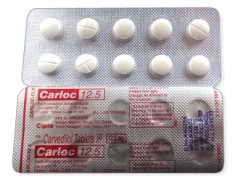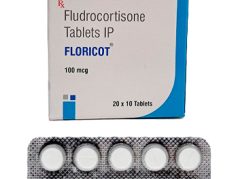
High blood pressure, also known as hypertension, occurs when the force of blood pushing against artery walls is consistently too high. This condition affects millions of Australians and is a significant risk factor for serious health complications including heart disease, stroke, and kidney problems. Blood pressure readings are measured in millimetres of mercury (mmHg) and consist of two numbers: systolic pressure (the top number) and diastolic pressure (the bottom number).
A normal reading is generally below 120/80 mmHg, while readings of 130/80 mmHg or higher indicate high blood pressure. Many people with hypertension experience no symptoms, which is why it's often called the "silent killer." Regular blood pressure monitoring is essential for early detection and effective management. Understanding your blood pressure numbers and what they mean is the first step towards taking control of your health and preventing serious complications.
Hypertension can develop due to various causes and risk factors that increase your likelihood of developing the condition. Several factors contribute to high blood pressure development:
Understanding your personal risk factors allows you to take preventative measures and make informed lifestyle choices. Regular health screenings can help identify hypertension early, allowing for prompt intervention and better long-term outcomes.
Managing hypertension effectively often begins with lifestyle modifications before or alongside medication. Regular physical activity is one of the most effective natural ways to lower blood pressure. The Australian Health Department recommends at least 150 minutes of moderate-intensity aerobic activity per week, such as brisk walking, swimming, or cycling.
A heart-healthy diet rich in fruits, vegetables, whole grains, and lean proteins while limiting salt, sugar, and saturated fats can significantly reduce blood pressure. The DASH diet, which emphasises these principles, is particularly effective for hypertension management. Maintaining a healthy weight reduces strain on the cardiovascular system and helps normalise blood pressure.
Limiting alcohol consumption to recommended levels is important, as excessive alcohol raises blood pressure. Stress management techniques including meditation, yoga, deep breathing exercises, and mindfulness can help lower blood pressure. Ensuring adequate sleep of seven to nine hours nightly supports cardiovascular health. Quitting smoking dramatically improves cardiovascular function and reduces hypertension severity.
Home blood pressure monitoring allows you to track your progress and identify patterns. These lifestyle changes often work synergistically with medications to provide optimal blood pressure control and reduce the risk of serious complications.
Several classes of antihypertensive medications are available in Australia to help manage high blood pressure. Your healthcare provider will recommend the most appropriate medication or combination tailored to your specific needs and medical history.
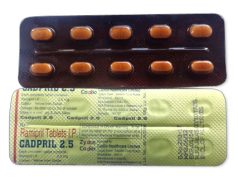
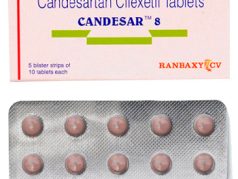
Common medication classes include ACE inhibitors such as lisinopril, enalapril, and ramipril, which work by relaxing blood vessels and are commonly prescribed first-line treatments. Angiotensin II receptor blockers including losartan, valsartan, and irbesartan work similarly to ACE inhibitors and are well-tolerated options. Beta-blockers like metoprolol, atenolol, and bisoprolol reduce heart rate and force of contraction, lowering blood pressure.
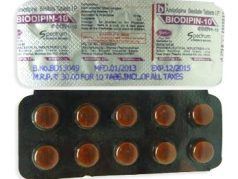
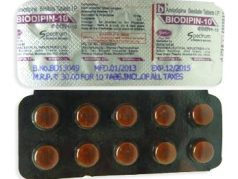
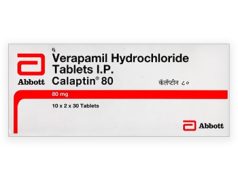
Calcium channel blockers such as amlodipine, diltiazem, and verapamil relax blood vessel muscles and are effective for many patients. Diuretics including hydrochlorothiazide and frusemide reduce fluid volume in the body, thereby lowering blood pressure. Alpha-blockers like doxazosin help relax blood vessels and are sometimes prescribed alongside other medications. Combination medications containing two active ingredients provide convenience for patients requiring multiple drugs. Some newer medications such as direct renin inhibitors offer alternative mechanisms of action.
The choice of medication depends on individual factors including other health conditions, potential side effects, and how well the medication controls your blood pressure.
Effective hypertension management requires ongoing monitoring and communication with your healthcare provider. Home blood pressure monitors are affordable and easy to use, allowing daily tracking of your readings. Taking your blood pressure at the same time each day, preferably in the morning before medication, provides consistent results for comparison.
Keeping a blood pressure diary helps identify patterns and the effectiveness of lifestyle changes or medication adjustments. Regular appointments with your doctor or pharmacist allow for assessment of how well your treatment plan is working. Blood pressure goals typically aim for readings below 130/80 mmHg for most adults, though individual targets may vary based on age and other conditions.
If your blood pressure remains elevated despite medication, your healthcare provider may adjust dosages or add additional medications. Some people experience side effects from antihypertensive medications, and discussing these with your pharmacist or doctor is important for finding suitable alternatives. Compliance with prescribed medications is crucial for effective blood pressure control and preventing complications.
Understanding why you're taking each medication and how it works improves adherence and outcomes. Regular health screenings including cholesterol levels, kidney function tests, and heart health assessments help monitor for complications and guide treatment adjustments.
Uncontrolled hypertension can lead to serious health complications affecting multiple body systems. Hypertensive crisis occurs when blood pressure reaches dangerously high levels, typically above 180/120 mmHg, and requires immediate medical attention. Symptoms of hypertensive crisis include severe headache, chest pain, shortness of breath, nosebleeds, and vision changes.
Long-term high blood pressure damages blood vessels, increasing the risk of atherosclerosis and blood clots. Heart disease, including heart attack and heart failure, is a major complication of untreated hypertension. Stroke risk increases significantly with high blood pressure as damaged vessels in the brain may rupture or become blocked. Kidney damage can occur gradually as hypertension affects the delicate blood vessels in the kidneys.
Vision problems and eye damage may develop from hypertension affecting blood vessels in the eyes. Dementia and cognitive decline have been associated with long-term high blood pressure. You should seek immediate medical attention for chest pain, severe headache, vision changes, or difficulty breathing.
Contact your healthcare provider if you experience persistent side effects from medications or if your blood pressure remains uncontrolled despite treatment. Regular monitoring and early intervention can prevent or delay these serious complications, emphasising the importance of ongoing hypertension management and treatment adherence.