Asthma is a chronic respiratory condition that affects the airways in your lungs, making breathing difficult. When you have asthma, your airways become inflamed and narrower, restricting the flow of air. This can cause wheezing, coughing, chest tightness, and shortness of breath, especially during physical activity or at night.
Common symptoms include persistent coughing, particularly when laughing, exercising, or during sleep. You might also experience wheezing, which is a whistling sound when breathing, or feel tightness in your chest. Some people experience severe asthma attacks where breathing becomes very difficult and urgent medical attention is needed.
If you suspect you have asthma, your doctor will perform tests to confirm the diagnosis. These typically include spirometry, which measures how much air your lungs can hold and how quickly you can exhale. Peak flow measurements and allergy testing may also be recommended to identify your specific triggers. Early diagnosis is important for effective management and preventing complications.
Understanding what triggers your asthma is crucial for managing the condition effectively. Common triggers include allergens like pollen, dust mites, pet hair, and mould. Environmental factors such as cold air, air pollution, and smoke can also provoke symptoms. Exercise, stress, and viral infections are known to trigger asthma in many Australians.
To reduce your risk of asthma attacks, avoid known triggers whenever possible. Keep your home clean and use air filters to reduce allergens. If pet hair triggers your symptoms, consider keeping pets out of bedrooms. During high pollen seasons, keep windows closed and check pollen forecasts.
Maintaining good air quality indoors helps significantly. Use a humidifier if air is too dry, but ensure humidity doesn't exceed 50% to prevent mould growth. Regular exercise actually strengthens your lungs, but always have your reliever inhaler available during physical activity. Managing stress through relaxation techniques can also help prevent stress-induced asthma attacks.
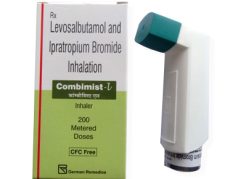
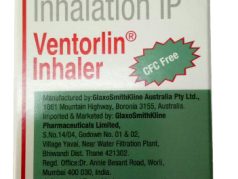
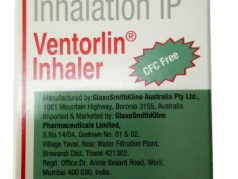
Asthma medications are divided into two main types: preventers and relievers. Relievers provide quick relief during asthma attacks and include salbutamol inhalers, commonly known as the blue inhaler. Popular brands include Asmol and Ventolin. These work immediately to open airways and should always be kept handy for emergency use.
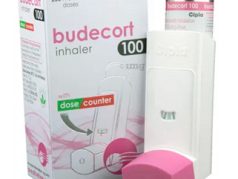
Preventer medications are taken daily to reduce inflammation and prevent attacks. Inhaled corticosteroids are commonly prescribed, available under brands like Fluticasone (Flovent) and Budesonide (Pulmicort). These are safe for long-term daily use and significantly reduce the frequency and severity of asthma attacks. Many people don't realise preventers don't work immediately; they require consistent daily use.
Combination inhalers containing both corticosteroids and long-acting beta-agonists are increasingly prescribed in Australia. These include brands like Symbicort and Seretide, which combine preventative and bronchodilator effects. For moderate to severe asthma, leukotriene receptor antagonists like Montelukast (Singulair) may be prescribed as tablets or powders. Long-acting beta-agonists such as Salmeterol are used in combination therapy for better control.
Your pharmacist can explain the correct technique for using inhalers, as proper administration ensures maximum effectiveness. Always follow your doctor's prescriptions and don't stop taking preventers even when you feel better.
Creating a written asthma action plan with your doctor is essential for managing your condition effectively. This plan outlines what medications to take daily, how to recognise when your asthma is worsening, and what steps to take during an attack. Your plan should clearly identify your triggers and preventive measures specific to your lifestyle.
Regular monitoring helps track your asthma control. Keep a symptom diary noting when you experience wheezing, coughing, or shortness of breath. This information helps your doctor adjust your treatment if needed. Peak flow monitoring at home provides objective measurements of your lung function and can alert you to early warning signs of deterioration.
Reviewing your asthma action plan annually or when symptoms change is important. After starting new medications or experiencing severe attacks, discuss adjustments with your healthcare provider. Many people find their asthma triggers change with seasons or life circumstances, so flexibility in your plan is necessary. Regular check-ups with your GP or asthma educator ensure your current treatment remains appropriate.
Beyond medications, several lifestyle modifications can improve asthma control. Regular moderate exercise like walking, swimming, or cycling strengthens your respiratory system. Warm up gradually before intense exercise and keep your reliever inhaler nearby. Staying hydrated helps keep airways moist and reduces irritation.
Dietary choices can influence asthma symptoms. Foods rich in antioxidants and omega-3 fatty acids, such as salmon, berries, and leafy greens, support respiratory health. Some people find that reducing food additives and preservatives helps, though evidence varies. Maintaining a healthy weight reduces strain on your lungs and can improve breathing capacity.
Sleep quality significantly affects asthma control. Keep your bedroom free from allergens by using hypoallergenic bedding and washing sheets weekly in hot water. Elevating your head while sleeping can reduce nighttime symptoms. Managing stress through meditation, yoga, or breathing exercises helps prevent stress-related attacks. Avoiding smoking and secondhand smoke is critical, as smoke is a major irritant for asthmatic airways.
Knowing when to seek medical help is vital for asthma management. If your symptoms worsen despite taking your reliever inhaler, or if you need it more frequently than usual, contact your doctor. If you wake up multiple nights per week due to asthma, your current treatment may need adjustment.
Seek emergency care immediately if you experience severe shortness of breath, chest pain, blue lips or fingernails, or confusion. These are signs of a serious asthma attack requiring urgent medical attention. Don't delay calling triple zero (000) or going to the nearest emergency department if symptoms are severe. Keep emergency contact numbers easily accessible.
Regular visits to your GP or asthma educator help prevent emergencies. If you've had a severe attack, follow-up appointments are crucial to prevent recurrence. Some Australians benefit from specialist asthma clinics where educators provide intensive support and medication training. Your pharmacy is also a valuable resource—pharmacists can review your inhaler technique and answer questions about your medications.