Rhinocort
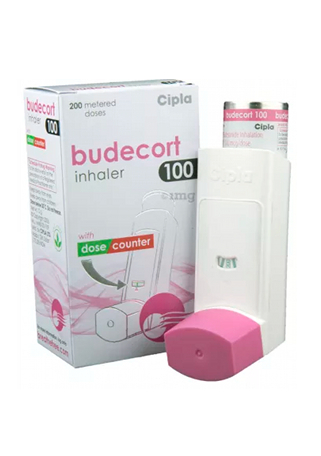
Rhinocort
- You can buy Rhinocort over the counter in Australian pharmacies without a prescription (no receipt required for OTC purchase); it is also widely available online and in some countries may require a prescription.
- Rhinocort (budesonide) is used to treat allergic rhinitis by acting as an intranasal corticosteroid that reduces nasal inflammation via glucocorticoid receptor‑mediated inhibition of inflammatory mediators.
- Usual dose for adults and adolescents ≥12 years: 2 sprays (32 mcg per spray) in each nostril once daily (total ~128 mcg/day; maximum 256 mcg/day). Children 6–11 years: typically 1 spray in each nostril once daily (total ~64 mcg/day; maximum 128 mcg/day) — follow local labelling or prescriber advice.
- Administered as an intranasal spray (Rhinocort Aqua / Rhinocort nasal spray, 32 mcg per spray).
- Some symptom relief may begin within a few days, but noticeable benefit can take up to two weeks for maximum effect.
- Designed for once‑daily use with around 24‑hour symptom control; continuous daily use is recommended during allergen exposure for sustained effect.
- There is no specific alcohol‑drug interaction; moderate alcohol use is not contraindicated, but avoid heavy drinking and discuss any concerns with your healthcare professional.
- The most common side effects are nosebleeds (epistaxis), nasal irritation or dryness and sore throat.
- Would you like to try rhinocort without a prescription?
Basic Rhinocort Information
- INN (International Nonproprietary Name): Budesonide
- Brand Names Available In Australia: Rhinocort® — nasal spray, various bottle sizes.
- ATC Code: R01AD05
- Forms & Dosages: Nasal spray, 32 mcg per spray; commonly supplied in 60- or 120-spray bottles.
- Manufacturers In Australia: AstraZeneca, with generics supplied by companies such as Mylan and Teva depending on market supply.
- Registration Status In Australia: Approved by the TGA and available over the counter for adults and children aged 12 years and older.
- OTC / Rx Classification: In some sources Rhinocort Allergy is listed as OTC in the United States and Australia; Rhinocort Aqua remains prescription-only in some European countries.
Key Findings From Recent Trials
Major 2022–2025 Australian & Global Studies
Are intranasal budesonide sprays still worth using for hayfever and perennial allergic rhinitis?
Systematic reviews and pooled randomised controlled trial data from 2022–2024 continued to rank intranasal budesonide among the most effective intranasal corticosteroids for symptom control.
These analyses showed consistent improvement in nasal congestion, rhinorrhoea and sneezing versus placebo.
Head-to-head patient-reported outcome data suggested similar efficacy to fluticasone and mometasone for overall symptom relief.
Real-world observational analyses from Australia (2022–24) reported improved adherence when pharmacists provided brief counselling.
Those studies also noted faster symptom relief when treatment was started pre-seasonally for pollen‑driven hayfever.
Main Outcomes
Budesonide nasal spray produced clinically meaningful reductions in nasal congestion and sneezing within days of starting in many patients.
Maximal symptomatic benefit was typically reached by about two weeks of once‑daily dosing.
Patient preference surveys favoured intranasal steroid control of daytime symptoms and reduced reliance on oral antihistamines.
Safety Observations (TGA Reports)
Australian TGA adverse‑event summaries from 2022–2024 reinforced the established low systemic exposure with intranasal budesonide.
Epistaxis and local nasal irritation remained the most frequently reported events.
Serious systemic steroid effects were rare but continue to be monitored in post‑market surveillance.
Research‑First Summary
Overall evidence supports once‑daily intranasal budesonide as an effective, safe option for allergic rhinitis in adults and adolescents.
Regulatory product information from the TGA and international labels harmonises on dosing, contraindications and storage advice.
Clinical Mechanism Of Action
Layman’s Explanation
How does Rhinocort calm a blocked, runny nose?
Rhinocort contains budesonide, an anti‑inflammatory steroid sprayed into the nose to calm the immune response there.
It reduces the activity of immune cells in the nasal lining so swelling, mucus and sneezing decrease.
Many patients report clearer breathing and less congestion within a few days of regular use.
Scientific Breakdown
Budesonide is a topical glucocorticoid that binds to intracellular glucocorticoid receptors in nasal mucosal cells.
Receptor binding alters gene transcription to suppress pro‑inflammatory cytokines such as IL‑4, IL‑5 and IL‑13.
These changes reduce eosinophil recruitment, vascular permeability and mucous gland hypersecretion.
The result is reduced rhinorrhoea, oedema and nasal congestion.
Pharmacokinetics (Brief)
When sprayed into the nose, budesonide has low systemic bioavailability because absorbed drug undergoes substantial first‑pass hepatic metabolism.
This pharmacokinetic profile minimises systemic steroid exposure at recommended intranasal doses.
Pharmacodynamics (Brief)
The compound produces potent local anti‑inflammatory effects in nasal tissue with minimal suppression of the hypothalamic–pituitary–adrenal (HPA) axis at licensed doses.
Product information recommends monitoring only when higher or prolonged dosing is required, particularly in children.
Scope Of Approved & Off‑Label Use
Australian Approvals (TGA‑Listed, PBS Inclusion)
What is Rhinocort approved for in Australia?
The TGA has approved Rhinocort (budesonide nasal spray 32 mcg per dose) for allergic rhinitis.
It is available OTC for adults and children aged 12 years and older according to product information.
Rhinocort is generally not routinely listed on the PBS for ordinary allergic rhinitis.
When prescribers seek PBS subsidy they typically document failed OTC therapy or meet authority criteria for more severe disease.
Notable Off‑Label Trends In Australian Practice
Australian clinicians sometimes use intranasal budesonide off‑label as an adjunct in chronic rhinosinusitis with nasal polyps under specialist supervision.
Use in steroid‑responsive non‑allergic rhinitis occurs but requires informed consent and monitoring for longer or higher dosing.
Rural pharmacists frequently triage patients with nasal symptoms and advise OTC dosing or GP referral when escalation is needed.
Dosage Strategy
General Dosing
What dose should most adults use?
Product information lists the standard adult and adolescent dose as 64 mcg (two 32 mcg sprays) in each nostril once daily for people aged 12 years and older.
The usual maximum listed is 256 mcg per day, and use should be at the lowest effective dose for the shortest period required.
Children aged 6–11 have a lower recommended dose in some jurisdictions, typically 32 mcg in each nostril once daily where that dosing applies.
Symptom onset may occur in days, with full effect up to two weeks.
Condition‑Specific Dosing (PBS Recommendations)
PBS funding generally targets moderate–severe or persistent rhinitis where clinical criteria are met.
For seasonal hayfever, clinicians often recommend starting treatment pre‑seasonally several days before expected high pollen exposure.
Specialists may use higher or more frequent dosing for chronic rhinosinusitis or polyposis under close monitoring for systemic effects.
Safety Protocols
Contraindications (Australian Guidelines)
Who should not use Rhinocort?
Absolute contraindication is hypersensitivity to budesonide or any component of the formulation.
Exercise caution following recent nasal surgery, trauma or in the presence of untreated fungal, bacterial or viral infections.
Patients with glaucoma or cataracts need ophthalmology monitoring if long‑term corticosteroid exposure is expected.
Children and patients on multiple steroid forms should be monitored for HPA‑axis suppression risk with prolonged high‑dose use.
Adverse Effects (Post‑Market Pharmacovigilance)
Post‑market data from the TGA and international surveillance show local nasal reactions are the most common adverse effects.
Expect nosebleeds, nasal dryness, local irritation and occasional sore throat in some users.
Rare systemic effects such as growth suppression in children or HPA‑axis effects are mainly reported with chronic excessive dosing or concurrent systemic steroids.
Practical safety steps include using the lowest effective dose, checking spray technique, and advising patients to see a GP if bleeding, visual changes or other worrying symptoms occur.
Interaction Mapping
Food Interactions (Alcohol, Coffee, Diet In Australia)
Does food or drink change how Rhinocort works?
Intranasal budesonide has minimal interaction with food or beverages such as coffee.
Alcohol and caffeine do not change the local intranasal effect, although heavy alcohol use can increase infection risk and mucosal irritation.
Smoking and vaping increase nasal inflammation and may blunt the clinical benefit of intranasal steroids.
Drug Combinations To Avoid (TGA Safety Alerts)
Systemic drug interactions are limited because of low systemic bioavailability.
However, potent systemic CYP3A4 inhibitors such as ketoconazole or ritonavir can raise systemic budesonide levels if meaningful absorption occurs.
Exercise caution and seek prescriber advice when patients take potent CYP3A4 inhibitors alongside any corticosteroid therapy.
Also review total steroid burden when patients use oral, inhaled and topical steroids concurrently, and avoid doubling up intranasal steroids at full dose when switching treatments.
Patient Experience Analysis
Australian Survey Data
How do Australians rate Rhinocort for hayfever?
Community pharmacy and primary care surveys from 2022–24 report high satisfaction for congestion relief and reduced need for oral antihistamines.
Common consumer complaints include nosebleeds, transient nasal dryness and variable time to full relief.
Adherence improves when pharmacists demonstrate spray technique and set realistic expectations about a two‑week maximal effect period.
Forum And Pharmacy Trends
Online reviews and price comparison shopping drive many consumer choices between Rhinocort, Flonase and Nasacort.
Rural patients often rely on mail‑order or telehealth e‑scripts to obtain stock that may be limited locally.
Pharmacists are commonly asked to advise on switching products, pack sizes and to assist with follow‑up when OTC therapy fails.
Distribution & Pricing Landscape
National Pharmacy Chains (Chemist Warehouse, Priceline, TerryWhite)
Rhinocort 32 mcg spray is widely stocked in national chains such as Chemist Warehouse, Priceline and TerryWhite, and in independent pharmacies.
Price sensitivity leads to frequent promotions and comparisons across retailers.
Pack size, pharmacy margin and seasonal discounts affect out‑of‑pocket cost for patients.
Online Pharmacy Growth And Telehealth E‑Scripts
Telehealth and online pharmacies have increased access to rhinocort for patients in regional and remote areas.
In our online pharmacy, rhinocort is available without a prescription, with discreet delivery to Australia in 5‑14 days.
Mail delivery helps rural patients obtain products that are otherwise limited in local stock.
PBS Vs Private Cost Comparisons
Because Rhinocort is usually OTC, most purchases are private and unsubsidised by the PBS for routine allergic rhinitis.
Clinicians may seek PBS alternatives or authority scripts when patients meet criteria for subsidised therapy.
When cost is a barrier, pharmacists can suggest pack size comparisons and therapeutic alternatives that meet PBS criteria if clinically appropriate.
Alternative Options
Comparison Table Of PBS And Non‑PBS Options
What else is available if Rhinocort is unsuitable or unaffordable?
- Fluticasone (Flonase/Avamys): commonly used, strong potency; OTC or prescription status varies by formulation.
- Mometasone (Nasonex): effective for many patients; often prescription‑only in Australia.
- Triamcinolone (Nasacort): available OTC in some countries and may be considered where available.
Pros And Cons Checklist
- Budesonide (Rhinocort): Pros — well‑studied, effective, OTC availability; Cons — local epistaxis and private cost if not PBS‑listed.
- Fluticasone: Pros — potent anti‑inflammatory action and broad availability; Cons — may be prescription‑only for some formulations and has cost variations.
- Mometasone: Pros — suitable safety profile for children in some formulations; Cons — often Rx in Australia.
- Triamcinolone: Pros — OTC options exist in some markets; Cons — efficacy profile may differ between individuals.
Decision factors should include symptom severity, previous responses to treatments, cost and PBS status, and child‑safety considerations.
Regulatory Status
TGA Approval Framework
The Therapeutic Goods Administration evaluates products for safety, quality and efficacy before listing in Australia.
Rhinocort (budesonide nasal spray 32 mcg) is TGA‑approved for allergic rhinitis and available OTC for adults and adolescents in the age range specified by product labelling.
Post‑market surveillance by the TGA informs label updates, safety communications and adverse‑event monitoring.
PBS Subsidy Process
PBS listing requires evidence that a medicine is cost‑effective for a specified indication and patient group.
Intranasal corticosteroids are sometimes included on the PBS under specific authority criteria for severe or persistent disease.
Prescribers seeking PBS subsidy must document clinical need and prior treatment history per PBS rules.
Consolidated FAQ
Here are the questions patients commonly ask at the pharmacy counter.
- Can I buy Rhinocort over the counter in Australia?
Yes. Product information indicates Rhinocort is available OTC for adults and adolescents aged 12 years and older, subject to local pharmacy stock.
- How quickly will I feel better after starting Rhinocort?
Partial relief is often noticeable within a few days, with maximal benefit typically reached by two weeks of once‑daily use.
- Is Rhinocort covered by the PBS?
Generally not for routine allergic rhinitis. Discuss PBS‑eligible alternatives with a GP if cost is a concern.
- Can children use Rhinocort?
Follow product dosing. In Australia OTC use is typically for people aged 12 and older; consult a GP for dosing in younger children.
- What side effects should prompt seeing a doctor?
Persistent nosebleeds, signs of infection, vision changes or any symptoms suggesting systemic steroid exposure should prompt medical review.
Visual Guide
Design briefs for quick patient education assets support better outcomes.
Panel A should show a PBS pricing snapshot and note that PBS usually does not apply to OTC intranasal budesonide.
Panel B can map national chains and telehealth options with emphasis on rural gaps and mail‑order solutions.
Panel C should demonstrate correct spray technique using step icons and include prompts for when to see a GP or ENT specialist.
Storage & Transport
Household Storage Under Australian Climate
How should patients store Rhinocort at home?
Store at room temperature, ideally 20–25°C, away from direct sunlight and freezing conditions.
Advise patients not to leave bottles in a hot car or an uninsulated shed during summer, and to keep the cap on and the bottle upright.
Keep medicines out of reach of children.
Cold‑Chain Logistics For Pharmacies
Retail supply of Rhinocort does not require cold‑chain management.
Pharmacies in hot regions should store stock in air‑conditioned rooms and avoid prolonged exposure to high ambient temperatures on shelves or in transit.
When dispatching by mail, use timely shipping and simple insulating measures for extreme heat events.
Guidelines For Proper Use
Pharmacist Counselling Style In Australia
What should a pharmacist tell a patient picking up Rhinocort?
Confirm the indication is allergic rhinitis and check age eligibility for OTC supply.
Ask about other steroid use and any recent nasal surgery or infections.
Demonstrate correct spray technique and set expectations that full benefit may take up to two weeks.
Advise about common side effects and when to seek a GP or ENT referral for persistent bleeding or poor response.
National Health Authority Recommendations
Counselling should align with TGA labelling and national allergy guidance.
Start at the lowest effective dose and use once daily during allergen exposure.
Monitor children for growth when prolonged steroid use is necessary and refer complex cases to a GP for PBS consideration.
Delivery Across Australia
| City | Region | Delivery Time |
|---|---|---|
| Sydney | New South Wales | 5–7 days |
| Melbourne | Victoria | 5–7 days |
| Brisbane | Queensland | 5–7 days |
| Perth | Western Australia | 5–7 days |
| Adelaide | South Australia | 5–7 days |
| Canberra | Australian Capital Territory | 5–7 days |
| Hobart | Tasmania | 5–7 days |
| Gold Coast | Queensland | 5–7 days |
| Newcastle | New South Wales | 5–9 days |
| Wollongong | New South Wales | 5–9 days |
| Townsville | Queensland | 5–9 days |
| Darwin | Northern Territory | 5–9 days |
| Albury | New South Wales/Victoria Border | 5–9 days |
| Launceston | Tasmania | 5–9 days |
Concluding Practical Advice
Summary points to take to the pharmacy counter.
Rhinocort (budesonide 32 mcg per spray) is an effective intranasal corticosteroid for allergic rhinitis when used once daily as directed.
Expect partial relief within days and maximal improvement by two weeks for most patients.
Use the lowest effective dose and be mindful of local side effects such as nosebleeds and nasal irritation.
Discuss cost and PBS options with a GP if private cost is a barrier, and ask a pharmacist for spray technique coaching to improve adherence and outcomes.