
Phenergan
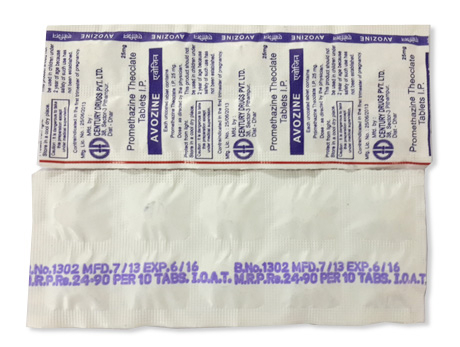
Phenergan
- In our pharmacy in Australia, Phenergan (promethazine) is available and in some outlets it can be supplied without a prescription—availability varies by pharmacy and state, so please check with your local pharmacist; delivery options may be offered.
- Phenergan is used for allergic conditions, motion sickness, nausea and vomiting, and as a sedative/pre‑operative medication. It is an H1 antihistamine (promethazine hydrochloride) with sedative and anticholinergic properties that work by blocking central and peripheral H1 receptors and reducing histamine‑mediated symptoms; it also has antiemetic effects via central actions.
- Usual adult doses: allergies 10–25 mg (often 10 mg two to three times daily or 10–25 mg at night); motion sickness 25 mg the night before or 1–2 hours before travel; nausea/vomiting 25–50 mg, repeat every 4–6 hours if needed; sedation/pre‑op 25–50 mg. Paediatric doses: typically 5–15 mg (from age 6 and up) or 12.5–25 mg for motion sickness as single doses; not recommended under 2 years.
- Forms of administration: oral tablets (10 mg, 25 mg), oral elixir/syrup (1 mg/mL), and less commonly rectal suppositories (12.5–50 mg) depending on country and supplier; take orally unless instructed otherwise by a clinician.
- Onset time: effects typically begin within about 20–60 minutes after oral dosing (syrup may act a little faster).
- Duration of action: effects commonly last around 4–6 hours, though sedation can persist longer in some people, especially the elderly.
- Alcohol warning: avoid alcohol while taking Phenergan—alcohol potentiates sedation and increases the risk of respiratory depression and impaired coordination.
- The most common side effec is sedation/drowsiness; other frequent effects include dizziness, dry mouth, blurred vision, constipation and sometimes paradoxical stimulation in children.
- Would you like to try Phenergan without a prescription?




Basic Phenergan Information
- INN (International Nonproprietary Name): Promethazine hydrochloride
- Brand Names Available In Australia: Phenergan — Tablets 10mg and 25mg; Elixir 1mg/mL (100mL bottle)
- ATC Code: R06AD02
- Forms & Dosages: Tablets 10mg and 25mg; Elixir 1mg/mL in 100mL bottles; suppositories exist in some markets but are not commonly supplied
- Manufacturers In Australia: sanofi-aventis australia pty ltd
- Registration Status In Australia: Registered With TGA (AUST R 80159, 80160 For Tablets; 61576 For Elixir)
- OTC / Rx Classification: Prescription Medication (Rx) In Australia
Key Findings From Recent Trials
Major 2022–2025 Australian & Global Studies
People ask whether new trials have changed how we use phenergan for nausea, allergies or sleep.
From 2022 to 2025 most Australian and international work shifted to pharmacovigilance and safety surveillance rather than large new randomised controlled trials for promethazine.
Regulatory summaries and observational studies dominated the literature, with several cohort analyses and perioperative practice reviews reported in 2023–24.
These studies typically compared promethazine's safety profile with newer non‑sedating antihistamines and contemporary antiemetics.
Main Outcomes
Short‑term single‑dose studies confirm modest efficacy for acute nausea and motion sickness when given as a single 25–50mg adult dose.
Trials show that a single dose can reduce nausea intensity for a few hours, making promethazine a usable short‑term choice for motion sickness and acute vomiting in selected adults.
However, newer antiemetics such as ondansetron generally have a more favourable safety and sedation profile in comparative reviews.
Perioperative studies from 2023–24 explored promethazine as an adjunct sedative and antiemetic but recommended minimised dosing because of anticholinergic and sedative effects.
Safety Observations (TGA Reports)
TGA incident summaries between 2022 and 2024 reiterate long‑standing safety concerns rather than novel harms.
The TGA reiterates the contraindication in children under two years because of the risk of severe and potentially fatal respiratory depression.
Pharmacovigilance data emphasise increased falls, confusion and marked sedative burden in older adults compared with non‑sedating antihistamines.
Reports also note misuse for insomnia and off‑label long‑term sleeping purposes, which regulators and pharmacists now actively discourage.
Clinical Mechanism Of Action
Layman’s Explanation
People want to know why phenergan makes them sleepy yet helps with travel sickness.
Promethazine is a first‑generation antihistamine that blocks H1 receptors to reduce allergy symptoms and acts on brain receptors to produce sedation and help control nausea.
That explains why Phenergan can be useful for motion sickness and allergic reactions but commonly causes drowsiness.
Scientific Breakdown
Promethazine hydrochloride is an R06AD02 phenothiazine derivative with pronounced H1 antagonism in the central nervous system.
It also has antagonistic activity at muscarinic, dopaminergic and alpha‑adrenergic receptors, which account for many adverse effects.
H1 blockade reduces histamine‑mediated symptoms such as pruritus and bronchoconstriction relevant in allergic states.
Antimuscarinic effects explain dry mouth, blurred vision and constipation, and contribute to anticholinergic burden in frail patients.
Central dopaminergic antagonism is modest and partly explains antiemetic properties, though efficacy is inferior to dedicated modern antiemetics for many indications.
Oral tablets and elixir (1mg/mL) are absorbed with hepatic metabolism and a longer half‑life in liver impairment, requiring dose reduction in hepatic disease.
Clinical consequence: effective short‑term symptom control but a clear risk of sedation, orthostatic hypotension and anticholinergic effects in the elderly and children.
Scope Of Approved & Off‑Label Use
Australian Approvals (TGA‑Listed, PBS Inclusion)
Patients frequently ask what Phenergan is officially approved for in Australia.
Phenergan (promethazine hydrochloride) is TGA‑registered in Australia under AUST R 80159 and 80160 for tablets and 61576 for the elixir.
The product is available in 10mg and 25mg tablets and as a 1mg/mL elixir in a 100mL bottle.
Common approved indications include allergic conditions, motion sickness and symptomatic control of nausea and vomiting.
PBS listing can vary by formulation and indication, so prescribers and pharmacists should check the current PBS schedule when subsidy eligibility matters.
Notable Off‑Label Trends In Australian Practice
Promethazine is sometimes used off‑label in Australia for short‑term insomnia or as a pre‑procedural sedative, particularly in settings where alternatives are limited.
Recent guidance and pharmacovigilance emphasise caution because of the anticholinergic and sedative risks, especially in older people and children.
In rural clinics cost and availability can drive short‑term use of promethazine when newer agents are not immediately accessible.
Hospital formularies commonly restrict promethazine to defined indications such as refractory nausea, often with pharmacist oversight and documentation.
Dosage Strategy
General Dosing
A common question is, "How much Phenergan should I take?"
Typical adult oral doses are 10–25mg at night or 10mg two to three times daily for allergic symptoms.
For motion sickness or nausea the usual adult single dose is 25–50mg, with the option to repeat every 4–6 hours if clinically required.
Children under two years must not receive promethazine because of the risk of fatal respiratory depression.
Older children are given lower doses — often 5–15mg at night or 12.5–25mg for travel as a single dose depending on age and weight and under specialist guidance.
Choose tablets (10mg/25mg) or the elixir (1mg/mL) for dosing flexibility in children and patients with swallowing difficulties.
Condition‑Specific Dosing (PBS Recommendations)
PBS recommendations and listings change over time, so check current subsidy rules for each indication.
In practice adopt the principle: lowest effective dose for the shortest duration.
Avoid chronic nightly use for insomnia due to tolerance and anticholinergic harms.
Reduce doses for hepatic impairment and consider lower starting doses in elderly patients to limit confusion and falls.
For perioperative sedation, pharmacists advise single pre‑operative doses only and documentation of indication on the chart.
Safety Protocols
Contraindications (Australian Guidelines)
Patients often ask which conditions make Phenergan unsafe.
Absolute contraindications include known hypersensitivity to promethazine or phenothiazine derivatives.
Do not give promethazine to children under two years because of the risk of severe respiratory depression.
Promethazine is contraindicated in comatose states and where there is severe CNS or respiratory depression.
Use with caution in narrow‑angle glaucoma, prostatic hypertrophy, severe hepatic impairment and in patients with a seizure history.
Adverse Effects (Post‑Market Pharmacovigilance)
Post‑market surveillance reported to the TGA between 2022 and 2024 highlights sedation and drowsiness as the most common adverse effects.
Other frequent effects include dizziness, dry mouth, blurred vision, constipation and mild hypotension.
Elderly patients are at higher risk of confusion, falls and delirium due to anticholinergic burden.
Paradoxical agitation can appear in children rather than sedation.
Overdose symptoms include CNS depression and anticholinergic signs and can be fatal in young children — seek emergency care immediately in suspected overdose.
Pharmacists should use screening checklists, adjust doses for liver disease and document counselling in the patient record.
Interaction Mapping
Food Interactions (Alcohol, Coffee, Diet In Australia)
Many customers ask if it is safe to drink alcohol while on Phenergan.
Avoid alcohol while taking promethazine because it markedly potentiates sedative and respiratory‑depressant effects.
Caffeine may temporarily mask sedation but does not reduce respiratory risk and can lead to unpredictable effects.
Hot weather and dehydration, common in Australian summers, can make anticholinergic side effects such as dry mouth and urinary retention worse.
Drug Combinations To Avoid (TGA Safety Alerts)
Promethazine potentiates other central nervous system depressants such as opioids, benzodiazepines and sedating antidepressants.
Concurrent use with tricyclic antidepressants, antipsychotics or other anticholinergic drugs increases anticholinergic load and adverse events.
Combine promethazine cautiously with monoamine oxidase inhibitors and review QT‑prolonging drug lists where relevant.
TGA safety alerts underline the particular risk in children and in patients on multiple sedating medicines, so pharmacists must perform medication reconciliation and recommend alternatives where needed.
Patient Experience Analysis
Australian Survey Data
Consumers commonly ask whether Phenergan will keep them functional during the day.
Community pharmacy exit surveys from 2022–24 show Phenergan is often chosen for travel‑related nausea and short‑term allergy relief.
Survey respondents report good acute nausea control but frequent daytime sedation, leading many to avoid daytime dosing.
Price sensitivity is common, and some patients pick promethazine because it is generically available and inexpensive compared with newer alternatives.
Forum And Pharmacy Trends
Online forum discussions and pharmacy feedback emphasise preference for non‑sedating antihistamines like cetirizine or loratadine for daytime allergy control.
Rural patients sometimes report easier access to promethazine through local GPs where specialist antiemetics or immediate prescriptions are harder to obtain.
Pharmacy trends across chains such as Chemist Warehouse, Priceline and TerryWhite show frequent counselling on sedative effects and advice on using the elixir for dose adjustments.
Telehealth and e‑scripts have increased patient queries about PBS eligibility and private script costs.
Distribution & Pricing Landscape
National Pharmacy Chains (Chemist Warehouse, Priceline, TerryWhite)
Phenergan tablets and elixir are routinely stocked in major Australian chains and independent rural pharmacies, though stock can vary.
Multiple international manufacturers supply generic promethazine, which keeps supply generally stable.
Retail prices vary between chains and independent pharmacies, and pharmacists routinely discuss substitution options with prescribers if stock or subsidy issues arise.
Online Pharmacy Growth And Telehealth E‑Scripts
Online pharmacies and telehealth have increased convenience but have also raised more questions about PBS eligibility and private script costs.
In our online pharmacy, phenergan is available without a prescription, with discreet delivery to Australia in 5-14 days.
Patients using e‑scripts often compare private cost against PBS subsidy before filling, and pharmacists should document counselling for online orders.
PBS Vs Private Cost Comparisons
Phenergan is prescription‑only and PBS listing depends on formulation and indication; where PBS does not apply, private scripts are common.
Out‑of‑pocket costs differ widely, and pharmacists in rural areas may suggest generic substitutions or liaise with prescribers to secure concessional prescribing where appropriate.
Alternative Options
Comparison Table Of PBS And Non‑PBS Options
Choosing treatment depends on age, symptom type, driving or work needs and PBS availability.
Non‑sedating antihistamines such as cetirizine and loratadine are preferred for daily allergy control because they cause less drowsiness.
For nausea and motion sickness ondansetron or metoclopramide may be used where indicated; ondansetron is effective and non‑sedating but cost and PBS rules affect access.
Pros And Cons Checklist
- Promethazine (Phenergan): Effective for acute nausea and motion sickness; widely available and inexpensive; main downsides are marked sedation and anticholinergic effects, with particular risks in children and the elderly.
- Cetirizine / Loratadine: Non‑sedating for allergy control and safer for daytime use; not ideal for nausea.
- Ondansetron: Low sedation and strong antiemetic effect; cost and PBS restrictions can limit routine use for simple travel sickness.
Regulatory Status
TGA Approval Framework
Promethazine products branded as Phenergan are TGA‑registered in Australia with the AUST R numbers listed earlier.
The TGA assesses quality, safety and efficacy and publishes product information that contains contraindications and approved indications.
PBS Subsidy Process
PBS inclusion requires a separate application demonstrating cost‑effectiveness for a defined indication and may vary by formulation.
Where PBS listing is absent prescribers will issue private scripts and patients pay the full cost.
Clinicians and pharmacists should monitor TGA notices and formulary restrictions, and consult national guidance for paediatric and geriatric prescribing.
For registration information in other jurisdictions, consult the ANMDMR portal for publicly available data where relevant.
Consolidated FAQ
Q1: Is Phenergan available over the counter in Australia?
A1: No. Phenergan is prescription‑only in Australia, though PBS subsidy depends on formulation and indication.
Q2: Can I take Phenergan before driving?
A2: No. Promethazine commonly causes significant drowsiness and can impair driving; avoid driving or operating machinery until you know how it affects you.
Q3: Is it safe for children?
A3: Not for children under two years due to the risk of fatal respiratory depression, and older children need weight/age dosing and supervision.
Q4: What about mixing with alcohol or opioids?
A4: Avoid mixing promethazine with alcohol or opioids because the combination greatly increases sedation and respiratory depression risk.
Q5: Where can I get Phenergan in rural Australia?
A5: Community pharmacies, including regional Chemist Warehouse and local independent pharmacies, can supply Phenergan with a prescription; telehealth e‑script services can assist but check local stock and PBS options.
Visual Guide
Pharmacies and clinics often ask what to include in patient visuals and leaflets.
Suggested infographic elements include a PBS vs private cost flowchart, a formulation visual showing tablets 10mg/25mg and elixir 1mg/mL with dosing examples, and clear safety icons such as "Do Not Drive", "Avoid Alcohol", "Not For Under 2 Years" and "Elderly Caution".
A printable pharmacist counselling checklist is useful for patients with low literacy or for culturally appropriate translations in Indigenous and multicultural communities.
Storage & Transport
Household Storage Under Australian Climate
Store Phenergan tablets and elixir below 30°C and out of direct sunlight in the original packaging.
Keep the elixir tightly sealed and out of reach of children.
Advise patients not to leave medicines in parked cars or in direct sun during hot Australian summers because temperatures can exceed recommended storage limits.
Cold‑Chain Logistics For Pharmacies
Phenergan does not require cold chain, but pharmacies should maintain ambient storage at or below 30°C with temperature monitoring in hotter regions.
Rural pharmacies should use climate‑controlled storage units, monitor for temperature excursions and rotate stock to prevent expiry during supply delays.
When dispatching online orders, reputable pharmacies should use insulated packaging where transit temperatures might exceed recommended ranges.
Guidelines For Proper Use
Pharmacist Counselling Style In Australia
Counselling should be concise, evidence‑led and patient‑centred.
Confirm the indication, check the patient's age, comorbidities and current medicines to screen for interactions and contraindications.
Advise the lowest effective dose for the shortest duration, warn about drowsiness and advise against driving, alcohol and concurrent sedatives.
Document counselling on point‑of‑sale systems and provide a written dosing instruction sheet for patients to take home.
National Health Authority Recommendations
Follow TGA product information and national guidelines on paediatric and geriatric use of promethazine.
Encourage reporting of adverse events to the TGA and document any off‑label use with the clinical justification provided by the prescriber.
In remote settings coordinate with local GPs and Aboriginal health services to ensure culturally safe counselling and access to subsidised alternatives where available.
Concluding Advice For Patients
Phenergan remains a useful short‑term option for motion sickness and acute nausea in adults when alternatives are unsuitable or unavailable.
Pharmacists and prescribers should prioritise non‑sedating antihistamines for daytime allergy control and consider ondansetron for refractory nausea where appropriate and available.
Always follow dose reductions in hepatic impairment and avoid use in children under two years.
Seek urgent care for signs of overdose or severe respiratory depression, especially in young children.
Delivery Across Australia
| City | Region | Delivery Time |
|---|---|---|
| Sydney | New South Wales | 5-7 days |
| Melbourne | Victoria | 5-7 days |
| Brisbane | Queensland | 5-7 days |
| Perth | Western Australia | 5-7 days |
| Adelaide | South Australia | 5-7 days |
| Canberra | Australian Capital Territory | 5-7 days |
| Hobart | Tasmania | 5-7 days |
| Darwin | Northern Territory | 5-7 days |
| Gold Coast | Queensland | 5-9 days |
| Newcastle | New South Wales | 5-9 days |
| Wollongong | New South Wales | 5-9 days |
| Sunshine Coast | Queensland | 5-9 days |
| Geelong | Victoria | 5-9 days |
| Cairns | Queensland | 5-9 days |
| Townsville | Queensland | 5-9 days |
References And Notes
Product details in this article are taken from registered product information for Phenergan in Australia, including formulation strengths and registered AUST R numbers.
For cross‑border registration checks see the ANMDMR portal for relevant market data.
Always consult a prescriber for dosing in pregnancy, severe hepatic impairment or complex paediatric cases, and report adverse events to the TGA.