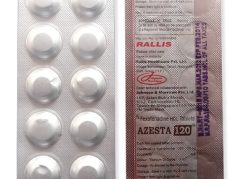
Allergies occur when your immune system reacts to a foreign substance that's usually harmless to most people. These substances, called allergens, can trigger a range of symptoms from mild irritation to severe reactions. Antiallergic medications work by reducing or preventing these immune responses, helping you manage allergy symptoms effectively.
When you're exposed to an allergen, your body releases histamine and other chemical messengers that cause inflammation, itching, sneezing, and other uncomfortable symptoms. Antiallergic drugs either block histamine production or prevent it from attaching to cells in your body. Understanding how these medications work can help you choose the right treatment for your specific allergy needs.
Australia has a wide range of antiallergic medications available, from over-the-counter options to prescription-strength treatments. Whether you're dealing with seasonal allergies, year-round hay fever, or allergic reactions to specific triggers, there's likely an appropriate medication to help manage your symptoms and improve your quality of life.
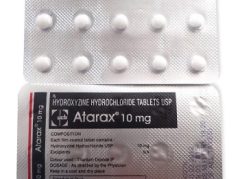
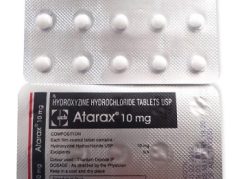
Antihistamines are the most commonly used antiallergic medications in Australia. They work by blocking histamine receptors on cells, preventing or reducing allergy symptoms. There are two main types: first-generation and second-generation antihistamines, each with different characteristics and uses.
Second-generation antihistamines are generally preferred for regular use because they cause less drowsiness than older options. Popular brands available in Australia include Telfast (fexofenadine), Claratyne (loratadine), and Xyzal (levocetirizine). These medications are effective for treating hay fever, urticaria, and other allergic conditions. Most are available without prescription at pharmacies, making them accessible for quick symptom relief.
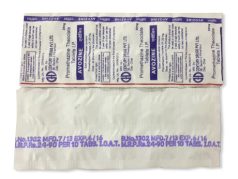
First-generation antihistamines like promethazine and diphenhydramine are still used, particularly when sedation might be beneficial, such as before bedtime or for severe itching. However, they can cause drowsiness and aren't recommended for driving or operating machinery. Your pharmacist can recommend the most suitable antihistamine based on your symptoms and lifestyle needs.
Nasal sprays offer targeted relief for allergic rhinitis and hay fever symptoms. Corticosteroid nasal sprays like Nasonex (mometasone) and Flonase (fluticasone) are highly effective for reducing nasal inflammation, congestion, and sneezing. These sprays work directly at the site of inflammation and have minimal systemic absorption, making them safe for regular use.
Antihistamine nasal sprays such as Azelastine provide rapid relief for nasal symptoms and work within minutes of application. They're particularly useful for people who prefer localised treatment or experience side effects from oral medications. Most nasal sprays are available over-the-counter in Australian pharmacies, though some require prescription depending on the specific formulation.
Topical antiallergic creams and lotions can help manage skin reactions, allergic dermatitis, and urticaria. These products often contain hydrocortisone or other anti-inflammatory ingredients that soothe itching and reduce redness. Eye drops with antiallergic properties are also available for allergic conjunctivitis, providing quick relief from itchy, watery eyes caused by allergen exposure.
Decongestants help relieve nasal congestion that often accompanies allergies by narrowing blood vessels in the nasal passages. Pseudoephedrine is a common decongestant available in Australia, often combined with antihistamines in products like Decongestant Allergy tablets. These combination medications address multiple symptoms simultaneously, offering comprehensive allergy relief.
Many Australian pharmacies stock combination products that pair antihistamines with decongestants for maximum effectiveness. These are particularly useful during hay fever season when symptoms are more severe. However, decongestants shouldn't be used long-term as they can cause rebound congestion. Your pharmacist can advise on appropriate duration and frequency of use.
Some advanced formulations include additional active ingredients targeting specific symptoms. These might include analgesics for headaches or cough suppressants for allergic cough. Always check labels carefully to understand what's included in combination products, especially if you're taking other medications, to avoid duplication or interactions.
For severe allergies or cases where over-the-counter medications aren't effective, prescription antiallergic treatments are available through Australian doctors. Montelukast (Singulair) is a leukotriene receptor antagonist that works differently from antihistamines, blocking inflammatory chemicals called leukotrienes. It's particularly effective for allergic asthma and severe hay fever.
Omalizumab is a monoclonal antibody used for moderate to severe allergies, particularly allergic asthma. This injectable medication reduces IgE levels, which play a key role in allergic reactions. Whilst more expensive and requiring specialist oversight, it can be life-changing for people with severe, persistent allergies that don't respond to standard treatments.
Cyclosporine eye drops represent another prescription option, specifically for severe allergic conjunctivitis. These immunosuppressive drops are prescribed when conventional eye allergy treatments fail to provide adequate relief. Your doctor will determine if prescription antiallergic medications are appropriate for your specific condition based on allergy testing and symptom severity.
Selecting the right antiallergic medication depends on your symptoms, their severity, and your medical history. Mild seasonal allergies might respond well to over-the-counter antihistamines, whilst more persistent symptoms may require nasal sprays or combination products. It's essential to discuss your options with a pharmacist or doctor before starting any new medication.
When using antiallergic medications, consider the following important points:
If symptoms worsen or new reactions develop, stop the medication and consult a healthcare professional immediately. Regular reviews with your pharmacist ensure you're using the most suitable medication for your changing needs throughout the year. Australian pharmacists are well-trained professionals who can provide personalised advice tailored to your individual circumstances and help you navigate the wide range of available options to find the most effective solution for your allergies.