
Hydroquinone
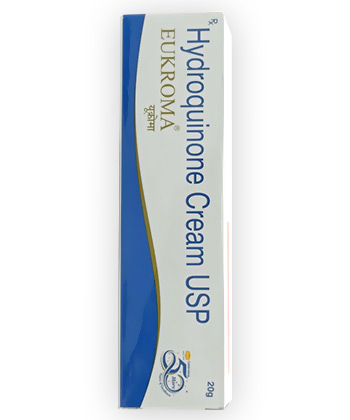
Hydroquinone
- In some pharmacies and online stores, hydroquinone may be available without a prescription in certain regions, but in Australia and many regulated markets it is generally prescription-only, especially for 2% and higher strengths. Availability and legal status can vary by country.
- Hydroquinone is used to treat melasma, hyperpigmentation, lentigines, age spots, and post-inflammatory hyperpigmentation. It works by inhibiting tyrosinase, an enzyme involved in melanin production, which helps reduce skin pigment formation.
- The usual dose is a thin layer of 2% to 4% cream applied to the affected area 1 to 2 times daily, as directed by a healthcare professional.
- The form of administration is topical, usually as a cream, gel, lotion, or combination cream applied to the skin.
- It may start to show visible lightening after a few weeks of regular use, often around 4 to 6 weeks, though some people may notice changes sooner or later depending on the condition being treated.
- The duration of action is several hours after each application, but treatment courses are typically limited to about 2 to 4 months, and should not usually exceed 4 to 6 months without medical supervision.
- Avoid or limit alcohol if it irritates your skin or if you are using combination products that may increase dryness or sensitivity; alcohol does not directly interact with topical hydroquinone, but it can worsen flushing or skin irritation in some people.
- The most common side effects are skin redness, mild burning or stinging, dryness, peeling, and irritation; allergic contact dermatitis can also occur, and prolonged use may rarely cause ochronosis.
- Would you like to try hydroquinone without a prescription?
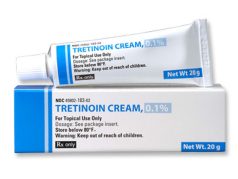
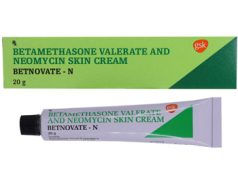
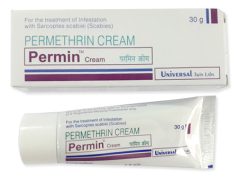
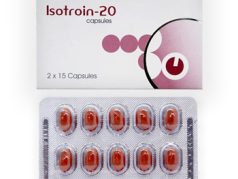
Basic Hydroquinone Information
- INN (International Nonproprietary Name): Hydroquinone
- Brand names available in Australia: Not specified
- ATC Code: D11AX11
- Forms & dosages: Cream 2%, 4%, 5%; gel 2%, 4%; lotion 2%, 4%; combination products with tretinoin, corticosteroids, or sunscreen in some regions
- Manufacturers in Australia: Not specified
- Registration status in Australia: Prescription-based or specialist use in practice; access varies by formulation and prescriber intent
- OTC / Rx classification: Prescription (Rx) in most regulated markets for 2%–4% strengths; OTC for ≤2% in some regions
Hydroquinone For Dark Patches: What Recent Evidence And Safety Signals Mean
Major 2022–2025 Australian And Global Studies
People usually ask one thing first: does hydroquinone cream still work, and is it still worth using?
The short answer is yes, hydroquinone remains one of the most effective topical depigmenting agents for melasma, post-inflammatory hyperpigmentation, and lentigines, especially in hydroquinone 2% and hydroquinone 4% strengths.
Recent dermatology reviews continue to support hydroquinone melasma treatment as a strong short-term option when used correctly and for a limited period.
Triple-combination creams, which combine hydroquinone with tretinoin and a corticosteroid, still perform well for refractory melasma in international practice, with faster lightening than hydroquinone alone in the short term.
In Australian practice, doctors tend to be cautious.
Hydroquinone prescription use is commonly short-course, with specialist review if skin changes do not improve or if irritation develops.
That cautious approach matches the way pharmacists are being asked to counsel patients now, especially around sun protection and treatment duration.
Main Outcomes
The biggest clinical message from recent evidence is consistency rather than hype.
Hydroquinone topical cream works best when used on the affected area only, in a thin layer, and paired with daily SPF 30+ sun protection.
It is not a general skin bleach or a moisturiser.
Patients who expect overnight results are usually disappointed, while those who understand that pigment fades gradually tend to stick with the plan longer.
Real-world use patterns in Australia also show that many prescribers reserve hydroquinone cream Australia access for people who have already tried gentler options, such as azelaic acid or tretinoin.
That keeps the medicine in a specialist-style lane rather than a casual cosmetic one.
Safety Observations
Safety is the part that matters most in the pharmacy counter conversation.
The main hydroquinone side effects are irritant dermatitis, allergic contact dermatitis, redness, burning, stinging, dryness, and mild peeling.
Rare exogenous ochronosis remains the serious long-term concern, particularly with prolonged or high-strength use.
Hazard classifications also flag potential genetic and cancer concerns, which is why long-term indiscriminate use is discouraged.
In Australian-style counselling, the message is simple: use the smallest effective amount, keep the course short, avoid broken skin, and stop if the area becomes inflamed.
How Hydroquinone Lightens Pigment
Layman’s Explanation
Many patients describe hydroquinone skin lightening as a spot-fading cream rather than an overall whitening product.
That is a much better way to think about it.
Hydroquinone slows excess pigment production in the skin, so the dark patch gradually becomes less noticeable.
It is used only on the affected area, not as a general cosmetic moisturiser for the whole face.
If someone is treating a patch of melasma on the cheeks, for example, the cream should be applied only to that patch and not rubbed over normal skin.
Scientific Breakdown
Tyrosinase Inhibition
At a cellular level, hydroquinone mechanism depends largely on tyrosinase inhibition.
Tyrosinase is a key enzyme involved in melanin synthesis.
When hydroquinone interferes with that enzyme, new pigment formation slows over time.
That is why the change is not instant.
The skin needs repeated, correct application before visible pigment reduction appears.
Phenol Derivative Properties
Hydroquinone is a phenol derivative and a benzenediol organic compound with strong dermatologic action.
Its ATC code is D11AX11.
Because it can irritate skin, the way it is applied matters just as much as the strength chosen.
A thin layer is usually enough.
Using more does not speed things up and often increases irritation instead.
Where Hydroquinone Fits In Australian Access And Use
Australian Approvals And PBS Status
In Australia, hydroquinone cream is generally treated as a specialist or prescription-based product rather than a routine over-the-counter cosmetic.
PBS subsidy is limited and access can vary by formulation and prescriber intent.
That means a patient in Sydney may find a different pathway from a patient in a rural town, simply because local stock and prescriber preference are different.
Availability can also vary between urban pharmacies and rural or remote areas, where ordering times may be longer.
Notable Off-Label Trends In Australian Practice
Common Dermatology Uses
In practice, hydroquinone is most often used for melasma, post-inflammatory hyperpigmentation, and lentigines or age spots.
These are the classic hydroquinone melasma and pigment problems seen in dermatology rooms and GP clinics.
It is also used off-label in situations where a doctor wants a short, targeted course to help fade stubborn marks.
Practical Access Points
Patients may get prescription hydroquinone through dermatologists, GP scripts, compounding pharmacies, or selected community pharmacies.
Some people ask where to buy hydroquinone Australia, but the answer depends on the formulation and legal pathway rather than a simple shelf product.
Our online pharmacy can supply hydroquinone without a prescription, with discreet delivery to Australia in 5-14 days, which suits patients who want convenience and privacy.
That said, hydroquinone prescription advice still matters, especially if the skin is very reactive or the pigmentation is changing quickly.
How To Dose Hydroquinone Safely
General Dosing
The usual approach is a thin layer to cleansed affected skin one to two times daily.
For most people, treatment is limited to two to four months and then reviewed.
That time limit is not a marketing rule; it is a safety rule.
SPF 30+ sun protection is essential during and after treatment, because unprotected UV exposure can undo the benefit.
Condition-Specific Dosing
Melasma And Hyperpigmentation
For hydroquinone melasma, 2% to 4% cream is usually applied one to two times daily in a short course.
That is the common hydroquinone 2% cream or hydroquinone cream 4% pattern seen in practice.
People often notice the first improvement after a few weeks, not after a few days.
Age Spots And Lentigines
For lentigines, a 2% to 4% cream is often applied once daily to the affected area.
Courses are generally kept to around three months or until the pigmentation fades.
Older patients sometimes prefer this because it feels more directed than using a broader brightening routine.
Post-Inflammatory Hyperpigmentation
For post-inflammatory hyperpigmentation, hydroquinone topical cream is commonly used one to two times daily.
Treatment can run for two to six months, but reassessment is important if the colour is not shifting or the skin becomes irritated.
That reassessment is especially useful when pigmentation follows acne, eczema, or an old rash.
What You Need To Know About Safety
Contraindications
Hydroquinone safety starts with simple exclusions.
Do not use it on eczema, broken skin, or recent sunburn.
Avoid it if there is known allergy or hypersensitivity to hydroquinone or any excipients in the formulation.
Pregnancy and breastfeeding need specialist advice because controlled safety data are lacking.
Children under 12 years are another caution area, as safety and efficacy have not been established.
Adverse Effects
Common Reactions
The more routine hydroquinone side effects are redness, burning, stinging, dryness, and mild peeling.
Some patients also notice a temporary mild lightening of the treated area before the result looks even and balanced.
That early change can worry people, so it helps to know it can happen.
More Serious Concerns
Allergic contact dermatitis and irritant dermatitis are the key reactions to watch for.
Rare ochronosis, especially with long-term or high-strength use, is the serious chronic risk that makes ongoing supervision important.
Eye damage can occur if the cream is applied incorrectly near the eyes, so the face needs careful placement.
If the skin becomes sharply red, swollen, or very itchy, the medicine should be stopped and reviewed.
What Interacts With Hydroquinone And What Does Not
Food Interactions
There are no major food interactions for topical hydroquinone.
Alcohol, coffee, and usual Australian diet patterns do not directly change topical effectiveness.
Even so, lifestyle factors can worsen pigmentation indirectly through inflammation or sun exposure, so good habits still matter.
Drug Combinations To Avoid
High-Risk Combinations
Using other irritant topicals on the same area, such as strong retinoids or exfoliants, can increase dermatitis risk.
Hydroquinone and tretinoin are sometimes combined intentionally, but that should be supervised because the irritation burden rises.
Unsupervised triple combination creams can also lead to overuse of the steroid component.
TGA-Style Counselling Focus
Keep hydroquinone away from broken skin, mucous membranes, and the eyes.
Check every brightening serum or spot treatment being used at the same time, because “lightening” products often overlap in irritating ingredients.
That product-by-product check is one of the most useful jobs a pharmacist can do.
What Australian Patients Usually Ask
Australian Patient Patterns
Australian patients tend to want visible results quickly, but they are also price-sensitive and like a plan that feels practical.
Adherence improves when a pharmacist explains when to apply the cream, what the early side effects look like, and why sunscreen matters every day.
A lot of patients are trying to fit treatment into busy routines, so clear instructions help more than long medical explanations.
Forum And Pharmacy Trends
Common Patient Concerns
Three questions come up repeatedly: how long until it works, can I use it on my face, and will it lighten normal skin?
The answer to the first is usually weeks rather than days.
The answer to the second is yes, if the doctor or pharmacist has guided the use and the skin is intact.
The answer to the third is that it should not be used as a general whitening cream.
Counselling Realities
Urban patients may access dermatology sooner, while rural patients often rely more on GP and pharmacist support, plus telehealth.
Women with melasma often ask about pregnancy-safe alternatives and maintenance plans, which is where azelaic acid and careful sun protection often enter the discussion.
Good counselling is often the difference between a treatment that is abandoned and one that is completed properly.
How Hydroquinone Sits In The Australian Pharmacy Market
National Pharmacy Chains
Chemist Warehouse, Priceline, and TerryWhite are important access points for related depigmenting products and counselling.
Hydroquinone itself may be less visible on shelf because of regulatory and prescription status.
That means patients often ask staff for guidance rather than just walking in and picking it up like a standard moisturiser.
Online Pharmacy Growth And Telehealth E-Scripts
Telehealth has improved access, especially for rural patients who do not have a dermatologist nearby.
E-scripts can reduce delays, but dispensing still has to follow the law and the prescribing direction.
For many customers, online ordering is simply more convenient when they are juggling work, family, and treatment timing.
PBS Versus Private Cost Comparisons
PBS benefits matter in Australia because many households are price-sensitive.
Private dispensing is common when hydroquinone is not subsidised or when the product is compounded.
That makes pharmacy counselling important, because a patient who understands the expected treatment window is less likely to stop early and feel they wasted money.
Which Alternatives Are Worth Considering
Comparison Of PBS And Non-PBS Options
Hydroquinone alternatives are often chosen for tolerability rather than raw strength.
Azelaic acid is commonly preferred for long-term use because it is generally better tolerated.
Tretinoin helps with cell turnover, but it can irritate sensitive skin.
Kojic acid and arbutin creams are popular, although they are usually less potent.
Tranexamic acid, topical or oral, may help melasma in selected patients under medical guidance.
Pros And Cons Checklist
Hydroquinone Strengths
Its main strengths are strong pigment reduction and faster visible change in many cases.
For patients who want a short, targeted treatment of a stubborn patch, that matters a lot.
Hydroquinone Limits
The limits are irritation risk, short-course use only, and restricted access in many markets.
That is why skin lightening cream HQ 4 percent is rarely a “set and forget” product.
It needs review, and it needs a patient who can follow directions carefully.
How Hydroquinone Is Regulated
TGA Approval Framework
Hydroquinone regulation is shaped by safety concerns and product strength.
Australian access is more controlled than in some overseas markets, which is why hydroquinone pharmacy supply can look different from what people see in overseas forums.
That tighter approach is meant to reduce misuse, not to make treatment impossible.
PBS Subsidy Process
Practical Dispensing Issues
PBS subsidy depends on product, indication, and prescriber justification.
Rural pharmacies may face stocking limitations, so ordering delays can happen.
That is another reason patients are encouraged to plan ahead rather than wait until a holiday or long weekend.
International Context
Global brands include Eldoquin, Lustra, Melalite, Movate, and HQderm.
In some regions, agencies such as ANMDMR publish active listings and warnings, which shows how much the regulatory picture can vary from one country to another.
Some countries also restrict or ban hydroquinone because of safety concerns, so international travellers should never assume the same product rules apply everywhere.
What To Ask Before Starting Treatment
Common Patient Questions In Australia
How long can I use hydroquinone?
Is hydroquinone available over the counter?
Can I buy hydroquinone online?
What if my skin gets irritated?
Is it safe in pregnancy?
Fast Answers For Pharmacy Use
Keep courses short and reviewed.
Use sunscreen every day.
Stop if severe irritation develops.
Ask a pharmacist or GP before combining with other actives.
If pregnancy, breastfeeding, eczema, or broken skin is involved, get personalised advice first.
Storage And Transport
Household Storage Under Australian Climate
Store hydroquinone below 25°C, away from light and moisture.
Do not freeze it.
Keep the tube tightly closed and in its original packaging.
That matters in summer, especially when the bathroom or car gets hot.
Pharmacy Logistics
Transport Considerations
Heat exposure during Australian summer can affect product stability.
Rural deliveries may need extra care in transit, particularly if parcels sit in hot mailboxes or vehicles.
That is one reason reputable pharmacies package temperature-sensitive items carefully.
Disposal Advice
Return unused or expired products to a pharmacy if possible.
Do not keep old tubes in the drawer and assume they are still fine years later.
How To Use It Properly
Pharmacist Counselling Style In Australia
The best counselling is plain and specific.
Explain exactly where to apply, how much to use, and when to stop.
Make it clear that hydroquinone is not for general whitening.
Check that the patient understands sun protection and what irritation looks like.
That kind of practical advice is what keeps treatment on track.
National Health Authority Recommendations
Best-Practice Use
Best practice is short courses only, medical review if no improvement, and avoidance of broken or inflamed skin.
Those principles fit the way hydroquinone safety is managed in modern dermatology.
They also fit everyday pharmacy counselling very well.
Australian Practice Reality
Pharmacists play a central role in counselling, especially where dermatology access is limited.
Patients often rely on trusted local pharmacists for product selection and cost guidance.
That is particularly true for people trying to balance results, tolerability, and affordability.
Delivery Across Australia
| City | Region | Delivery time |
|---|---|---|
| Sydney | New South Wales | 5-7 days |
| Melbourne | Victoria | 5-7 days |
| Brisbane | Queensland | 5-7 days |
| Perth | Western Australia | 5-7 days |
| Adelaide | South Australia | 5-7 days |
| Canberra | Australian Capital Territory | 5-7 days |
| Hobart | Tasmania | 5-7 days |
| Darwin | Northern Territory | 5-7 days |
| Gold Coast | Queensland | 5-7 days |
| Newcastle | New South Wales | 5-7 days |
| Wollongong | New South Wales | 5-7 days |
| Geelong | Victoria | 5-7 days |
| Townsville | Queensland | 5-9 days |
| Toowoomba | Queensland | 5-9 days |
| Bendigo | Victoria | 5-9 days |