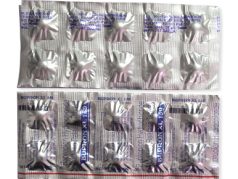
Cefuroxime
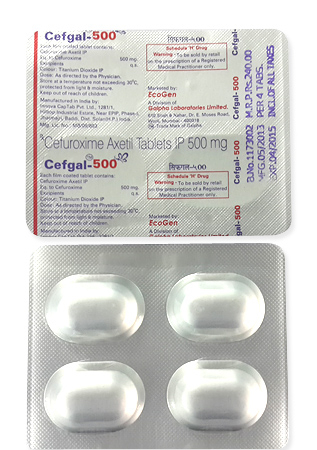
Cefuroxime
- In our pharmacy, you can buy cefuroxime without a prescription, with delivery in 5–14 days throughout Australia. Discreet and anonymous packaging.
- Cefuroxime is used to treat a range of bacterial infections including tonsillitis, sinusitis, otitis media, lower respiratory tract infections, skin and soft tissue infections, early Lyme disease, uncomplicated gonorrhoea and severe infections when given IV; it is a second‑generation cephalosporin that works by inhibiting bacterial cell‑wall synthesis through binding to penicillin‑binding proteins.
- Usual adult oral doses are commonly 250 mg twice daily for many uncomplicated infections, 250–500 mg twice daily for more severe infections, 500 mg twice daily for early Lyme disease, 1.5 g IM as a single dose for uncomplicated gonorrhoea, and IV doses for severe infections are generally 750 mg–1.5 g every 8 hours; paediatric dosing is typically 10–15 mg/kg twice daily (weight‑based).
- Available as film‑coated tablets, oral suspension (reconstituted granules), powder for injection for IV/IM use and small‑volume intracameral eye injections.
- Oral cefuroxime (axetil) is absorbed and reaches peak blood levels in around 2–3 hours; clinical improvement is often noticed within 48–72 hours of starting effective therapy.
- The antibacterial effect of each dose generally covers about 12 hours (hence twice‑daily dosing), while total treatment duration depends on the indication — typically 5–10 days for uncomplicated infections and 14–21 days for Lyme disease or as advised for severe infections.
- Avoid alcohol while taking cefuroxime where possible; although significant interactions are uncommon, alcohol may worsen side effects such as gastrointestinal upset and is best avoided during antibiotic therapy.
- The most common side effect is gastrointestinal upset, especially diarrhoea; other common effects include nausea, abdominal pain, vomiting and skin rash.
- Would you like to try cefuroxime without a prescription?
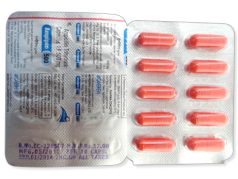
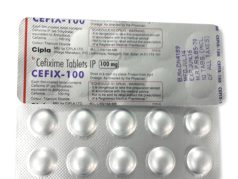
Basic Cefuroxime Information
- INN (International Nonproprietary Name): Cefuroxime; Latin: Cefuroximum; Spanish: Cefuroximo.
- Brand Names Available In Australia: not specified.
- ATC Code: J01DC02 (Second‑generation cephalosporin antibacterial); S01AA27 (ophthalmic use for intracameral preparations).
- Forms & Dosages: Tablets 125 mg, 250 mg, 500 mg; Oral suspension 125 mg/5 ml and 250 mg/5 ml (reconstituted); Powder for injection vials 750 mg and 1.5 g; Eye injection 1 mg/0.1 ml for intracameral use.
- Manufacturers In Australia: not specified.
- Registration Status In Australia: not specified.
- OTC / Rx Classification: Prescription‑only (Rx) in nearly all markets; not available as OTC.
Major 2022–2025 Australian & Global Studies
Worried whether cefuroxime still works for common infections in 2025?
Recent literature from 2022 to 2025 highlights two consistent trends in clinical use and stewardship for cefuroxime.
First, cefuroxime continues to be used as a reliable step‑down oral therapy after intravenous beta‑lactams for many community bacterial infections, particularly where organism susceptibility is confirmed.
Second, intracameral cefuroxime prophylaxis for cataract surgery retains strong support from international surgical reviews and ophthalmology trials.
Australian antimicrobial surveillance and international stewardship reviews report overall stable clinical efficacy against key community pathogens such as Streptococcus species, Haemophilus influenzae and some Enterobacterales.
That said, pockets of reduced susceptibility have been observed in certain regions, and clinicians are advised to consult local antibiograms before empirical prescribing.
Main Outcomes
Can short courses of cefuroxime be trusted for routine infections?
Short‑course regimens of five to ten days for uncomplicated respiratory and skin infections show comparable clinical outcomes to alternative agents when organism susceptibility is confirmed.
Oral cefuroxime axetil in 125 mg to 500 mg formulations remains effective for otitis media, sinusitis and, in areas where relevant, early Lyme disease.
Safety Observations (TGA Reports)
What safety issues have regulators flagged recently?
TGA and post‑market summaries from 2022–2025 largely mirror the historical safety profile of cefuroxime.
Common adverse effects remain gastrointestinal disturbances and skin rash, with rare reports of Coombs‑positive haemolysis.
Regulatory advice continues to emphasise vigilance for Clostridioides difficile in elderly patients and to recommend renal dose adjustments where appropriate.
Layman’s Explanation
What does cefuroxime actually do to bacteria?
Cefuroxime is a second‑generation cephalosporin antibiotic that weakens bacterial cell walls so the bacteria cannot survive.
It covers many common respiratory and skin bacteria but does not work against viruses, so it won’t help a cold or flu.
Scientific Breakdown
How does cefuroxime act at the molecular level?
The drug binds to penicillin‑binding proteins, inhibiting peptidoglycan cross‑linking in the bacterial cell wall and producing a bactericidal effect.
Compared with first‑generation cephalosporins, cefuroxime has improved activity against some Gram‑negative organisms and relative stability against certain beta‑lactamases.
Form‑Related Pharmacology
Does the formulation change how cefuroxime works?
Oral cefuroxime axetil is a prodrug that needs esterase‑mediated conversion in the gut and plasma to active cefuroxime, so absorption can be reduced by antacids taken at the same time.
Tablets are commonly available as 125 mg, 250 mg and 500 mg, with suspensions at 125 mg/5 ml and 250 mg/5 ml for children.
Parenteral cefuroxime sodium supplied as 750 mg and 1.5 g vials for IV or IM administration achieves higher serum and cerebrospinal fluid levels and is used for severe infections such as meningitis at 750 mg–1.5 g every eight hours.
Australian Approvals (TGA‑Listed, PBS Inclusion)
Can you get cefuroxime on the PBS in Australia?
Cefuroxime formulations—oral axetil and parenteral sodium—are prescription‑only medicines and TGA approvals generally align with international product labels for respiratory tract infections, skin and soft tissue infections, gonorrhoea (IM), meningitis (IV) and surgical prophylaxis including intracameral ocular use.
PBS listing is product‑ and indication‑specific, so prescribers should check current PBS schedules and authority requirements for subsidy eligibility.
Notable Off‑Label Trends In Australian Practice
Do clinicians use cefuroxime for things not on the label?
Common off‑label Australian practices include step‑down oral therapy after IV cefuroxime for hospitalised patients and selective use in community urinary tract infections where local antibiograms support its activity.
Intracameral 1 mg/0.1 ml ophthalmic preparations are widely used peri‑operatively, often sourced via compounding or through internationally recognised brands where available.
General Dosing
What dose will a typical adult receive?
For many uncomplicated infections the standard adult oral dose is 250 mg by mouth twice daily, with 500 mg twice daily used for more severe or targeted infections.
Parenteral dosing for severe infections ranges from 750 mg to 1.5 g intravenously or intramuscularly every eight hours.
Condition‑Specific Dosing (PBS Recommendations)
How does dosing change by condition?
Typical respiratory tract infection dosing is 250 mg PO twice daily for five to ten days, while otitis media and pneumonia commonly use 250–500 mg PO twice daily for seven to ten days.
Skin and soft tissue infections follow a similar 250–500 mg twice daily regime for seven to ten days.
Uncomplicated gonorrhoea historically used a single 1.5 g IM dose.
Paediatric dosing ranges from 10–15 mg/kg twice daily depending on indication, and meningitis requires higher IV dosing at 30–60 mg/kg per day divided into regular doses.
Renal And Elderly Adjustments
Should older people get a lower dose?
Age alone does not require routine dose change unless renal impairment is present.
Dose reduction is required for impaired renal function, particularly when creatinine clearance falls below 30 mL/min, and prescribers should use standard renal calculators to guide adjustments.
Contraindications (Australian Guidelines)
Who should not take cefuroxime?
Absolute contraindications include known allergy to cefuroxime or other cephalosporins and a history of immediate‑type hypersensitivity to beta‑lactams such as anaphylaxis.
Caution is advised in patients with a severe penicillin allergy because cross‑reactivity is possible.
Adverse Effects (Post‑Market Pharmacovigilance)
What side effects should patients watch for?
Common side effects are diarrhoea, nausea, vomiting and rash, and pharmacists should advise patients on these possibilities at dispensing.
Rare but important events reported in post‑market surveillance include Coombs‑positive haemolytic anaemia and seizures in the context of overdose or severe renal failure.
There is also an ongoing risk of C. difficile infection in elderly or frail patients, so clinicians should monitor for severe diarrhoea and act promptly.
Food Interactions (Alcohol, Coffee, Diet In Australia)
Can food or drinks affect cefuroxime?
Antacids that contain aluminium or magnesium and H2‑blockers may reduce absorption of oral cefuroxime axetil, so advise patients to space these agents away from dosing.
Although cefuroxime does not have a strong disulfiram‑like interaction, prudent avoidance of alcohol while unwell is sensible due to additive GI effects.
Drug Combinations To Avoid (TGA Safety Alerts)
Which medicines raise concern when combined with cefuroxime?
Probenecid can raise cefuroxime plasma levels and may be clinically significant.
Concomitant use with nephrotoxic agents, for example high‑dose aminoglycosides, requires renal monitoring and dose consideration.
Cefuroxime has no major cytochrome P450 interactions, but additive gastrointestinal upset can occur with other antibiotics.
Australian Survey Data
Do patients like taking cefuroxime?
Survey data from primary care show high adherence when dosing is twice daily, which patients find easier to follow than more frequent regimens.
Patient satisfaction depends largely on symptom resolution and minimal side effects, while price sensitivity affects whether patients fill their prescription in full.
PBS subsidies improve adherence for many, although rural patients still report cost and access hurdles.
Forum And Pharmacy Trends
What do community forums and pharmacists report?
Common consumer reports include GI upset and transient rashes, and pharmacists at national chains often advise spacing from antacids and setting adherence reminders.
Rising telehealth and e‑script dispensing have increased convenience but place more responsibility on pharmacists to follow up and identify adverse events remotely.
National Pharmacy Chains (Chemist Warehouse, Priceline, TerryWhite)
Is cefuroxime easy to find in major chains?
Tablets and suspensions are stocked across major Australian pharmacy chains, although availability of specific brands versus generics varies by store and supplier.
Injection vials can be subject to occasional shortages linked to manufacturing cycles, particularly for parenteral products.
Online Pharmacy Growth And Telehealth E‑Scripts
Can you order cefuroxime online and expect good service?
Online pharmacies and telehealth have increased convenience, but there are practical questions about counselling and maintaining cold‑chain integrity for reconstituted suspensions and vials.
In our online pharmacy, cefuroxime is available without a prescription, with discreet delivery to Australia in 5‑14 days.
PBS Vs Private Cost Comparisons
Will PBS make cefuroxime affordable?
PBS subsidy depends on the specific product and indication, and generics are often cheaper for private purchase, while a PBS listing can dramatically lower out‑of‑pocket cost for eligible patients.
Urban pharmacies usually maintain steady stocks, but rural outlets may limit supply during shortages, so early electronic prescribing and local checking are recommended.
Comparison Of PBS And Non‑PBS Alternatives
What are the practical antibiotic alternatives on the PBS?
Amoxicillin‑clavulanate is a commonly used PBS alternative with broader beta‑lactamase coverage but more GI side effects.
Cefixime, a third‑generation cephalosporin, is useful for some cases of gonorrhoea and is available on PBS for certain indications.
Cefaclor is another second‑generation option, though used less frequently nowadays.
Pros And Cons Checklist
How does cefuroxime stack up against other options?
- Pros: Available in both oral and parenteral forms, effective against common respiratory pathogens, and twice‑daily dosing which helps adherence.
- Cons: Less beta‑lactamase coverage compared with amoxicillin‑clavulanate, potential GI side effects, need for renal dosing adjustments and caution with penicillin allergy.
TGA Approval Framework
How is cefuroxime regulated in Australia?
The TGA regulates cefuroxime formulations and classifies them as prescription‑only medicines, with approvals largely mirroring international indications for oral axetil and parenteral sodium formulations.
Intracameral ophthalmic use is commonly supported, though specific products may require compounding or the use of approved ophthalmic vials where available.
PBS Subsidy Process
Why are some cefuroxime products on the PBS and others not?
PBS listing requires submissions demonstrating clinical and cost‑effectiveness, and not all brands or indications automatically receive subsidy.
Prescribers should verify current PBS schedules and item numbers when aiming for a subsidised prescription.
Consolidated FAQ
Is cefuroxime on the PBS?
Some formulations and indications are listed on the PBS; check the current PBS schedule and any authority requirements for confirmation.
Can I take antacids with cefuroxime axetil?
Space antacids and H2‑blockers from dosing to avoid reduced absorption of the prodrug formulation.
What if I have a penicillin allergy?
Severe immediate‑type penicillin allergy warrants caution; consult the prescriber or a pharmacist before taking any cephalosporin.
Can it be used for eye surgery?
Intracameral cefuroxime at 1 mg/0.1 ml is widely used for prophylaxis in cataract surgery, though sourcing may be via compounding or licensed ophthalmic products.
What should rural patients know?
PBS subsidies help, but check local pharmacy stock early and consider electronic scripts to avoid delivery delays.
Visual Guide Suggestions
Which visuals help patients and staff most?
Suggested infographics include a PBS pricing flowchart showing when PBS applies versus private pay and typical out‑of‑pocket ranges for tablets in urban and rural settings.
A dosing map showing oral versus IV/IM forms with common doses (125/250/500 mg tablets; 750 mg/1.5 g vials; intracameral 1 mg/0.1 ml) is useful for counselling screens.
A pharmacy distribution schematic from manufacturer through national chains to rural pharmacies helps explain supply risks and lead times.
Use icons to represent side effects, renal dosing and antacid interactions to keep patient leaflets clear and scannable.
Household Storage Under Australian Climate
How should patients store cefuroxime at home in summer?
Tablets should be stored at room temperature between 15–25°C in a dry place away from direct sunlight, which is especially important in hot Australian homes.
Reconstituted oral suspension should be refrigerated and discarded after ten days.
Remind rural patients to protect medicines from heat during travel and delivery.
Cold‑Chain Logistics For Pharmacies
What must pharmacies watch for during transport and storage?
Injection vials should be stored below 25°C and protected from light, with reconstituted solutions used promptly.
Pharmacies must monitor ambient storage conditions and verify stock integrity after heatwaves or transport delays.
For intracameral 1 mg preparations, sterility and immediate use are critical, and many clinics prefer same‑day compounding or approved ophthalmic vials to minimise contamination risk.
Delivery Across Australia
| City | Region | Delivery Time |
|---|---|---|
| Sydney | New South Wales | 5–7 days |
| Melbourne | Victoria | 5–7 days |
| Brisbane | Queensland | 5–7 days |
| Perth | Western Australia | 5–7 days |
| Adelaide | South Australia | 5–7 days |
| Canberra | Australian Capital Territory | 5–7 days |
| Hobart | Tasmania | 5–7 days |
| Darwin | Northern Territory | 5–7 days |
| Gold Coast | Queensland | 5–9 days |
| Newcastle | New South Wales | 5–9 days |
| Wollongong | New South Wales | 5–9 days |
| Cairns | Queensland | 5–9 days |
| Townsville | Queensland | 5–9 days |
Pharmacist Counselling Style In Australia
How should pharmacists talk to patients when dispensing cefuroxime?
Start by confirming any history of allergy to penicillins or cephalosporins and clarify the indication and expected duration of therapy.
Explain how to take the medicine, including the importance of spacing from antacids, and provide clear renal dosing cautions if the patient has known kidney disease.
Warn about diarrhoea and signs of severe hypersensitivity, advise on PBS status and likely costs, document counselling and arrange follow up calls for high‑risk patients such as the elderly or those with renal impairment.
National Health Authority Recommendations
What stewardship rules apply to cefuroxime prescribing?
Practice should align with TGA approvals and local Therapeutic Guidelines, using empirical cefuroxime where local antibiograms support it and de‑escalating based on culture results.
For surgical prophylaxis, follow sterile preparation protocols and ensure documented consent for intracameral use where applicable.
Consolidated FAQ
- Q1: Is cefuroxime on the PBS? A: Some formulations and indications are; check the current PBS schedule and any authority rules.
- Q2: Can I take antacids with cefuroxime axetil? A: Space antacids and H2‑blockers from dosing to avoid reduced absorption.
- Q3: What if I have a penicillin allergy? A: Severe immediate‑type penicillin allergy warrants caution; consult your prescriber or pharmacist before taking cephalosporins.
- Q4: Can it be used for eye surgery? A: Intracameral cefuroxime 1 mg/0.1 ml is widely used for prophylaxis; sourcing varies between compounded vials and licensed products.
- Q5: What should rural patients know? A: PBS subsidies help, but check local pharmacy stock and consider early electronic scripts to avoid delivery delays.
Suggested Infographics For Patient And Staff Use
Which simple visuals help understanding and uptake?
Produce a PBS pricing flowchart showing when PBS applies versus private pay and a typical out‑of‑pocket range for tablets in urban and rural areas.
Create a dosing chart for oral versus IV/IM forms with common strengths and a separate visual for the intracameral 1 mg/0.1 ml dose.
Design a supply chain schematic from manufacturer through wholesalers to national chains and rural pharmacies, and use icons for side effects, renal dosing and antacid spacing.
Household And Pharmacy Storage Practicalities
How do hot days affect medicine storage in Australia?
Tablets must be kept in a cool, dry place at 15–25°C; avoid storing medicines in cars or near windows during summer.
Reconstituted suspensions should be refrigerated and discarded after ten days to maintain potency and safety.
Injection vials should be stored below 25°C out of direct light, and reconstituted products should be used promptly to reduce contamination risk.
Pharmacist Safety Checks And Documentation
What extra steps should pharmacists take when supplying cefuroxime?
Record counselling and allergy checks, advise on renal dosing adjustments and ensure patients understand the need to complete the full course when indicated.
Follow up by phone for elderly or renal‑impaired patients and report any suspected serious adverse reactions to the TGA as part of routine pharmacovigilance.
Final Practical Advice For Patients
What should a patient remember after leaving the pharmacy?
Take cefuroxime exactly as prescribed, do not double up missed doses, and space antacids from each dose by a couple of hours.
Stop the medicine and seek urgent care for signs of severe allergic reaction such as difficulty breathing or widespread rash with swelling.
If diarrhoea is severe or persistent, contact a healthcare professional to exclude C. difficile, especially in older patients.