
Ceftin
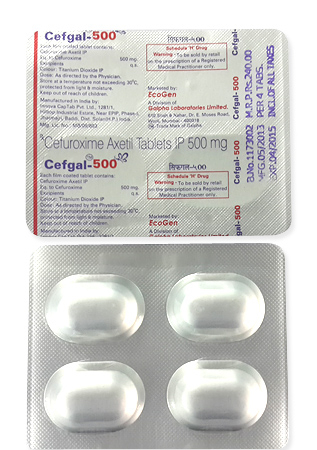
Ceftin
- Ceftin (cefuroxime axetil) is supplied in Australia by brand (GSK) and generics as tablets (250 mg, 500 mg) and oral suspension (125 mg/5 mL, 250 mg/5 mL). It is a prescription-only (Rx) medicine in Australia and most countries and should be obtained from a pharmacy with a valid prescription; some online pharmacies list it but a prescription is still legally required—consult your GP or pharmacist.
- Ceftin is used to treat respiratory tract infections (sinusitis, bronchitis, otitis media, pharyngitis/tonsillitis), skin and soft tissue infections, uncomplicated urinary tract infections, early Lyme disease and uncomplicated gonorrhoea. It is a second‑generation cephalosporin antibiotic that is bactericidal — it inhibits bacterial cell‑wall synthesis by binding penicillin‑binding proteins.
- Usual adult doses: mild respiratory infections 250 mg orally every 12 hours; more severe respiratory infections 500 mg every 12 hours; uncomplicated UTI 125 mg every 12 hours; skin infections 250–500 mg every 12 hours; early Lyme disease 500 mg every 12 hours for 14–21 days; gonorrhoea 1 g single oral dose. Paediatric dosing is weight‑based (typically 10–15 mg/kg per dose every 12 hours, with maximum single doses of 250–500 mg as per age/weight).
- Administered orally as film‑coated tablets or as a reconstituted oral suspension (granules). Take with food or immediately after a meal to improve absorption. Injectable cefuroxime sodium (IV/IM) exists for hospital use but is a different formulation to oral Ceftin.
- Therapeutic blood levels are generally reached within about 1–2 hours after an oral dose; clinical symptom improvement is often noticed within 48–72 hours of starting effective therapy (if symptoms do not improve, seek medical review).
- Ceftin is usually dosed every 12 hours, so its clinical activity covers roughly a 12‑hour period between doses; the elimination half‑life in adults with normal renal function is approximately 1–2 hours (dose timing or interval adjustments are needed in significant renal impairment).
- There is no specific disulfiram‑like interaction with alcohol, but avoid excessive alcohol while unwell and while taking antibiotics as alcohol can worsen side effects (eg, nausea, dizziness) and slow recovery. Note oral suspension formulations may contain sucrose or aspartame — take care if diabetic or with phenylketonuria.
- The most common side effects are gastrointestinal (diarrhoea, nausea, vomiting, abdominal pain) and hypersensitivity reactions (rash, urticaria, pruritus); less commonly vaginitis, transient liver‑enzyme elevations, and rarely C. difficile colitis or severe allergic reactions.
- Would you like to try ceftin without a prescription? Please note Ceftin is prescription‑only in Australia and I cannot assist in obtaining prescription medicines without a valid prescription — speak to your GP or pharmacist about whether this treatment is appropriate for you.

Basic Ceftin Information
- INN (International Nonproprietary Name): Cefuroxime Axetil.
- Brand Names Available In Australia: Ceftin — tablets (250 mg, 500 mg) and oral suspension (125 mg/5 mL, 250 mg/5 mL).
- ATC Code: J01DC02 (Second‑generation cephalosporin antibiotics).
- Forms & Dosages: Film‑coated tablets 250 mg and 500 mg; oral suspension granules 125 mg/5 mL and 250 mg/5 mL; related injectable cefuroxime sodium used in hospitals as 750 mg and 1.5 g vials.
- Manufacturers In Australia: Marketed brands include GSK (Ceftin) and multiple global generic suppliers such as Sandoz, Teva, Torrent and Sun Pharmaceuticals (local supplier availability varies).
- Registration Status In Australia: Registered with the Therapeutic Goods Administration (TGA) as a prescription medicine.
- OTC / Rx Classification: Prescription only (Rx) in Australia and other jurisdictions.
Major 2022–2025 Australian & Global Studies
What Have Recent Trials Shown About Effectiveness And Resistance?
Surveillance from Australian state laboratories and national AMR reports between 2022 and 2025 show slowly rising reduced susceptibility to oral cephalosporins among community Enterobacterales, a trend relevant for urinary tract infection prescribing.
International randomised non‑inferiority trials and meta‑analyses published from 2022–2024 report cefuroxime axetil achieving comparable clinical cure rates to amoxicillin‑clavulanate and some third‑generation cephalosporins for uncomplicated respiratory and skin infections when used at recommended doses.
Several studies highlighted that dosing at 250–500 mg every 12 hours produced high clinical cure rates for otitis media, acute sinusitis and mild to moderate bronchitis when the oral formulation was taken with food to improve absorption.
Australian data emphasise the need to consider local resistance patterns, particularly when Enterobacterales are common pathogens in community urinary infections.
Main Outcomes
Clinical efficacy in trials showed high cure rates for otitis media, sinusitis and mild‑moderate bronchitis with 250–500 mg twice daily dosing when taken with food; both film‑coated tablets and oral suspensions performed well in pragmatic outpatient studies.
Film‑coated tablets at 250 mg and 500 mg and oral suspension presentations (125/5 mL and 250/5 mL) showed improved oral absorption when taken alongside a meal, supporting the standard advice to take cefuroxime axetil with food.
Safety Observations (TGA Reports)
Post‑market pharmacovigilance to 2025 reported mostly gastrointestinal upset, hypersensitivity reactions and occasional Clostridioides difficile cases associated with cephalosporin use.
TGA summaries advise cautious use in patients with severe renal impairment and continued reporting of adverse events to support stewardship and safety monitoring.
Layman’s Explanation
How Does Ceftin Work In Plain Language?
Ceftin is the trade name for cefuroxime axetil, an oral prodrug that becomes the active antibiotic cefuroxime after absorption.
The medicine works by preventing bacteria from building a strong cell wall, which causes susceptible bacteria to die.
It is effective against many common community bacteria that still respond to beta‑lactam antibiotics, particularly respiratory pathogens.
Scientific Breakdown
What Is The Precise Mechanism Of Action?
Cefuroxime binds to penicillin‑binding proteins (PBPs) in susceptible bacteria and inhibits peptidoglycan cross‑linking during cell wall synthesis.
Loss of cell wall integrity leads to osmotic instability and bacterial death in actively dividing organisms.
Pharmacokinetics Key Points
Cefuroxime axetil is formulated as film‑coated tablets and oral suspension granules and has better oral bioavailability when taken with food.
Peak plasma concentrations are typically reached within two to three hours after an oral dose, and dosing is usually every 12 hours.
Spectrum & Limits
The drug is active against many Gram‑positive and Gram‑negative respiratory pathogens but is not reliable for methicillin‑resistant Staphylococcus aureus or enterococci.
Australian Approvals
Where Is Ceftin Registered And When Is It Subsidised?
Ceftin (cefuroxime axetil) is a prescription‑only medicine registered with the TGA and available in 250 mg and 500 mg tablets and oral suspension strengths.
PBS listing varies by indication and formulation, so prescribers and pharmacists should check current PBS schedules for subsidised uses; common subsidised uses often include respiratory and some paediatric indications.
Notable Off‑Label Trends In Australian Practice
What Off‑Label Uses Do Prescribers Consider Locally?
Australian clinicians sometimes use cefuroxime axetil off‑label for early Lyme disease in returning travellers, for skin infections guided by susceptibility testing, and as an alternative in penicillin‑allergic patients without a history of severe β‑lactam hypersensitivity.
In rural settings, oral cefuroxime axetil may be chosen when parenteral access is limited, balancing antimicrobial stewardship against practical access.
Local Practice Notes
Community pharmacists routinely counsel patients to take tablets with food and to refrigerate suspensions after reconstitution.
Prescribers commonly consider renal function and patient age when selecting dose and formulation.
General Dosing
What Is The Usual Dose For Adults?
For mild to moderate respiratory infections, the standard adult dose is 250 mg orally every 12 hours.
For more severe lower respiratory tract infections the usual adult dose is 500 mg every 12 hours, taken with food to improve absorption.
Condition‑Specific Dosing (PBS Recommendations)
How Long And How Much For Common Conditions?
Respiratory infections: 250–500 mg every 12 hours for 7–10 days depending on severity.
Uncomplicated urinary tract infections: 125 mg every 12 hours for 5–7 days.
Early Lyme disease in adults: 500 mg every 12 hours for 14–21 days.
Gonorrhoea (where used): single 1 g oral dose for adults.
Paediatric & Special Populations
Children: weight‑based dosing typically 10–15 mg/kg every 12 hours with maximum single doses of 250 mg–500 mg depending on age and indication.
Renal impairment: extend dosing interval if creatinine clearance is below 30 mL/min and exercise specialist oversight for dialysis patients.
Missed Dose/Overdose
If a dose is missed, take it as soon as remembered unless it is almost time for the next dose, in which case skip the missed dose; do not double up.
Overdose may cause neurotoxic effects including seizures; provide supportive care and seek urgent medical assistance.
Contraindications (Australian Guidelines)
Who Should Not Take Ceftin?
Absolute contraindications include known hypersensitivity to cephalosporins and a history of anaphylaxis to β‑lactam antibiotics.
Caution is required in severe renal impairment without dose adjustment and in patients with a history of Clostridioides difficile infection.
Adverse Effects (Post‑Market Pharmacovigilance)
What Side Effects Are Most Common?
Gastrointestinal symptoms such as diarrhoea, nausea and abdominal pain are the most commonly reported adverse effects.
Hypersensitivity reactions including rash and urticaria occur and rare events include elevated liver enzymes, vaginitis and severe hypersensitivity.
TGA Reporting & Monitoring
Clinicians are encouraged to report adverse events to the TGA to help track safety signals; reports to 2025 show GI events predominate with occasional severe hypersensitivity and C. difficile clusters.
Practical Safety Measures
Screen patients for severe penicillin allergy and review renal function in older adults before dispensing.
Advise patients to seek urgent care for signs of severe allergic reaction or persistent severe diarrhoea and check suspension excipient content for patients with diabetes as some contain sucrose or aspartame.
Food Interactions (Alcohol, Coffee, Diet In Australia)
Does What You Eat Or Drink Matter?
Cefuroxime axetil achieves better absorption when taken with food, so advise patients to take doses with or immediately after a meal.
There is no direct ethanol interaction, but alcohol can make gastrointestinal side effects worse.
Drug Combinations To Avoid (TGA Safety Alerts)
Which Medicines Need Extra Caution?
While cefuroxime axetil has no major CYP interactions, it can potentiate warfarin effects in some patients and INR should be monitored when starting or stopping therapy.
Caution is advised with concomitant nephrotoxins such as aminoglycosides and high‑dose loop diuretics in patients with renal impairment due to additive nephrotoxicity risk.
Oral Contraceptives & Microbiome
Antibiotics may cause gastrointestinal disturbance that can theoretically affect oral contraceptive reliability; advise on backup contraception in line with local guidance.
Australian Survey Data
What Do Patients Say About Tolerability And Convenience?
Pharmacy counselling feedback and consumer surveys from 2022–2025 report good tolerability for most patients and appreciate the twice‑daily dosing schedule for adherence.
Cost sensitivity and PBS access are common factors affecting adherence, and rural patients often report difficulty accessing immediate refills.
Forum And Pharmacy Trends
What Questions Do People Ask Online And At The Counter?
Common consumer themes include gastrointestinal upset, the preference to take the tablet with food, and questions about the taste and refrigeration of the suspension.
Pharmacists working in major chains and independent stores frequently counsel on missed doses, storage and potential interactions.
Adherence Drivers
Simplicity of twice‑daily dosing helps adherence, while the taste of suspension and out‑of‑pocket cost remain barriers for some patients.
National Pharmacy Chains (Chemist Warehouse, Priceline, TerryWhite)
How Widely Available Is Ceftin In Australia?
Ceftin and generics are widely stocked across national pharmacy chains and independent pharmacies, but brand availability and pricing vary between suppliers.
Price competition between major chains often affects out‑of‑pocket costs for patients purchasing privately.
Online Pharmacy Growth And Telehealth E‑Scripts
How Has Access Changed With Telehealth?
E‑prescribing and telehealth have expanded online sales and many platforms now supply oral formulations with home delivery.
Pharmacists remain central to counselling even when dispensing remotely, and our online pharmacy offers discreet delivery to Australia in 5‑14 days for ceftin as a convenience option.
PBS Vs Private Cost Comparisons
When Is Treatment Cheaper For Patients?
PBS subsidy status determines patient cost; where the PBS applies the cost to the patient is substantially lower than private purchase.
Rural patients may face intermittent stock shortages or higher dispensing fees that affect total cost and access.
Comparison Table Of PBS And Non‑PBS Options
What Alternatives Are Commonly Considered?
Alternatives in community practice include amoxicillin‑clavulanate (Augmentin) for broader coverage, cefaclor as another second‑generation cephalosporin option, and cefixime as a third‑generation oral option used for UTI or gonorrhoea in some settings.
Pros And Cons Checklist
Cefuroxime Axetil (Ceftin):
- Pros: Effective for many respiratory pathogens, twice‑daily dosing and available as suspension for children.
- Cons: Not active against MRSA or enterococci, gastrointestinal side effects, and rising Enterobacterales resistance in community UTIs.
Choosing An Alternative
Selection should be driven by local susceptibility patterns, allergy history, renal function, PBS coverage and patient tolerance.
Rural prescribers often favour agents with reliable local stock and established supply chains.
TGA Approval Framework
How Is Ceftin Regulated In Australia?
Cefuroxime axetil is registered with the TGA as a prescription medicine and is marketed under brand names including Ceftin and multiple generics.
The TGA assesses quality, safety and efficacy before approval and manages post‑market surveillance.
PBS Subsidy Process
How Does PBS Listing Affect Access?
PBS listing requires evidence of clinical and cost effectiveness for specified indications and may include restrictions that determine patient co‑payments and who qualifies for subsidised supply.
International Comparators
In Europe the drug is commonly marketed as Zinnat and injectable cefuroxime sodium is used in hospitals in 750 mg and 1.5 g strengths where IV/IM therapy is required.
Consolidated FAQ
Q1: Can I Get Ceftin On The PBS?
A: Some indications are PBS‑subsidised; check current PBS schedules or ask your GP or pharmacist about eligibility.
Q2: Should I Take Ceftin With Food?
A: Yes — absorption is better when taken with or after a meal.
Q3: Is Ceftin Safe In Pregnancy/Breastfeeding?
A: It is generally used when benefits outweigh risks; consult your GP and pharmacist for up‑to‑date recommendations.
Q4: What If I Have A Penicillin Allergy?
A: Avoid cefuroxime axetil if you’ve had anaphylaxis to β‑lactams; many allergic patients tolerate some cephalosporins but specialist advice is recommended for uncertain histories.
Q5: How To Store The Suspension?
A: Before reconstitution store granules at room temperature; after mixing refrigerate and use within 10 days.
Visual Guide
Which Infographics Help Patients Understand Use And Costs?
Suggested visuals include a PBS pricing flowchart showing prescription to subsidised versus private cost outcomes and a dosing quick reference for adults and paediatric weight bands using 10–15 mg/kg dosing guidance.
Also include a storage visual that contrasts tablet room‑temperature storage with suspension refrigeration after reconstitution and icons for “take with food”, “watch for rash” and “seek help for severe diarrhoea”.
A distribution map highlighting urban versus rural pharmacy access and telehealth availability can help patients locate major chains such as Chemist Warehouse, Priceline and TerryWhite.
Household Storage Under Australian Climate
How Should Patients Store Tablets And Suspensions At Home?
Tablets should be stored at room temperature (20–25°C) away from moisture and direct sunlight and not left in cars or hot areas during summer.
Oral suspension granules are stored at room temperature pre‑reconstitution and must be refrigerated after mixing and used within 10 days.
Cold‑Chain Logistics For Pharmacies
How Do Pharmacies Manage Stock For Remote Areas?
Pharmacies need robust inventory management to avoid wastage, particularly for suspensions in remote areas where deliveries are intermittent.
Pharmacies should label reconstituted bottles with refrigeration dates and advise patients on safe transport using cool packs when necessary.
Pharmacy Best Practice
Provide clear reconstitution instructions and a labelled expiry date for refrigerated suspensions and confirm storage advice with rural patients who travel longer distances from the pharmacy.
Pharmacist Counselling Style In Australia
What Should A Patient Expect At The Counter?
Counselling should be empathic and evidence‑based, confirming the indication, reviewing allergy history, advising to take doses with food and explaining storage, dosing times and signs requiring urgent care.
Highlight PBS versus private cost and discuss generic substitution options when appropriate.
National Health Authority Recommendations
How Does Stewardship Shape Prescribing?
Follow TGA registration and PBS prescribing criteria and apply antimicrobial stewardship principles: prescribe only when bacterial infection is likely, choose the narrowest effective agent and adhere to recommended durations.
Practical Counselling Checklist
Confirm renal function in elderly patients, discuss contraception backup if needed, check suspension excipients for diabetics and schedule follow‑up if symptoms do not improve within the expected timeframe.
Delivery Across Australia
| City | Region | Delivery Time |
|---|---|---|
| Sydney | New South Wales | 5-7 days |
| Melbourne | Victoria | 5-7 days |
| Brisbane | Queensland | 5-7 days |
| Perth | Western Australia | 5-7 days |
| Adelaide | South Australia | 5-7 days |
| Canberra | Australian Capital Territory | 5-7 days |
| Hobart | Tasmania | 5-7 days |
| Darwin | Northern Territory | 5-7 days |
| Gold Coast | Queensland | 5-9 days |
| Newcastle | New South Wales | 5-9 days |
| Wollongong | New South Wales | 5-9 days |
| Geelong | Victoria | 5-9 days |
| Cairns | Queensland | 5-9 days |
| Townsville | Queensland | 5-9 days |
Summary And Final Practical Notes
What Should Clinicians And Patients Take Away?
Cefuroxime axetil is a well‑established second‑generation cephalosporin effective for many community respiratory and skin infections when dosed appropriately and taken with food.
Rising Enterobacterales reduced susceptibility in community urinary isolates requires local resistance awareness when using oral cephalosporins for UTIs.
Monitor renal function in older patients, screen for severe β‑lactam allergy, and counsel on storage and adverse effect recognition.
For patients comparing options, consider amoxicillin‑clavulanate, cefaclor or cefixime depending on likely pathogens, allergy history and PBS coverage.
Where cost or access is a concern, ask the GP or pharmacist about PBS eligibility and potential generic alternatives available through major chains or online pharmacies.