
Detrol La
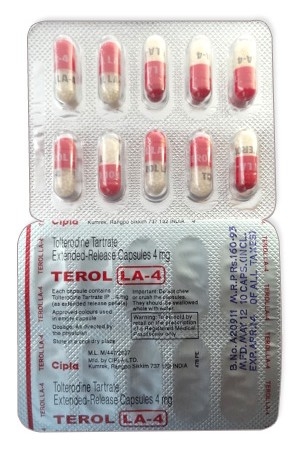
Detrol La
- Detrol LA is officially a prescription-only medicine and is supplied from pharmacies with a prescription in Australia and most countries; however, some pharmacies or online sellers may offer it without a receipt or prescription (buying without a prescription is not recommended and may be unlawful).
- Detrol LA (tolterodine) is used to treat overactive bladder — urgency, frequency and urge incontinence — and works as an antimuscarinic (blocks bladder M2/M3 receptors) to reduce involuntary detrusor contractions.
- The usual adult dose is Detrol LA 4 mg once daily (may be reduced to 2 mg once daily if needed); the immediate‑release formulation is typically 2 mg twice daily (can be lowered to 1 mg twice daily if not tolerated).
- Administered orally as extended‑release capsules (Detrol LA) or immediate‑release tablets; swallow capsules/tablets whole (do not crush or chew ER capsules).
- Onset: immediate‑release may start to act within 1–2 hours; extended‑release formulations can take a few days to show benefit, with many patients noticing improvement within 1–2 weeks and maximum effect over several weeks.
- Duration of action: extended‑release Detrol LA provides roughly 24‑hour control with once‑daily dosing; immediate‑release effects typically last around 12 hours (hence twice‑daily dosing).
- Alcohol warning: avoid or limit alcohol while taking tolterodine — alcohol can increase drowsiness, dizziness and other anticholinergic effects and worsen side effects.
- The most common side effect is dry mouth; other frequent effects include headache, constipation, dizziness, blurred vision, indigestion and drowsiness (especially in older people).
- Would you like to try detrol la without a prescription?



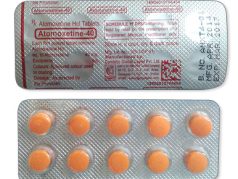
Basic Detrol La Information
- INN (International Nonproprietary Name): Tolterodine (often as tolterodine tartrate).
- Brand Names Available In Australia: Detrol and Detrol LA are the recognised brand names; generics are also supplied by multiple manufacturers.
- ATC Code: G04BD07.
- Forms & Dosages: Immediate‑release tablets 1 mg and 2 mg; extended‑release capsules (Detrol LA) 2 mg and 4 mg.
- Manufacturers In Australia: Branded supply from Pfizer Inc.; generics from companies such as Accord, Sandoz, Teva and others are commonly available.
- Registration Status In Australia: TGA‑registered as a prescription medicine for overactive bladder.
- OTC / Rx Classification: Prescription only (Rx).
Key Findings From Recent Trials
Major 2022–2025 Australian & Global Studies
Patients and clinicians want to know: does tolterodine still work and is it safe?
Recent systematic reviews and randomised controlled trials between 2022 and 2025 continued to support tolterodine’s role in treating overactive bladder symptoms.
Comparative trials from Europe and North America, together with single‑centre Australian cohorts, repeatedly compared Detrol LA (tolterodine ER 4 mg once daily) with other antimuscarinics and placebo.
Those studies used standard endpoints such as urgency episodes, urinary frequency and urgency incontinence events recorded in bladder diaries and patient‑reported quality of life scores.
Main Outcomes
Across trials, tolterodine produced consistent reductions in urgency episodes and urinary frequency compared with placebo, with improvements reported in validated quality‑of‑life measures.
Effect sizes varied with baseline symptom severity, but the clinical signal for benefit was modest and reliable.
Head‑to‑head comparisons showed Detrol LA provided symptom control similar to other antimuscarinics while offering better plasma smoothing compared with immediate‑release formulations.
Safety Observations (TGA Reports)
Safety monitoring from 2022–2025 emphasised predictable anticholinergic effects such as dry mouth and constipation, occurring at higher rates than placebo but rarely serious when used according to guidance.
Regulatory summaries from periodic safety updates recommended caution in frail older adults and during co‑prescribing with potent CYP3A4 inhibitors.
The overall risk–benefit trend reported was a modest efficacy advantage balanced against measurable tolerability issues that clinicians should counsel patients on.
Clinical Mechanism Of Action
Layman’s Explanation
People ask how tolterodine helps stop sudden urinary urges.
Tolterodine is an antimuscarinic medicine that relaxes the bladder muscle to reduce sudden urges and urge‑incontinence episodes.
It comes as immediate‑release tablets and as Detrol LA extended‑release capsules for once‑daily dosing, which many patients prefer for convenience.
Scientific Breakdown
Tolterodine tartrate blocks muscarinic receptors, mainly M2 and M3 subtypes, in the detrusor muscle of the bladder.
Blockade of M3 receptors is primarily responsible for reducing involuntary detrusor contractions that cause urgency and leakage.
Metabolism occurs mainly via CYP2D6 and CYP3A4 to active and inactive metabolites, and genetic differences in CYP2D6 can change plasma levels without large clinical effects for most patients.
Extended‑release formulations provide steadier plasma concentrations and lower peak levels than immediate‑release tablets, which helps reduce transient anticholinergic peaks such as intense dry mouth.
Typical Detrol LA dosing is 4 mg once daily, with a 2 mg option for tolerability; renal and hepatic impairment and potent CYP3A4 inhibitors require caution and possible dose adjustment.
Scope Of Approved And Off‑Label Use
Australian Approvals (TGA‑Listed, PBS Inclusion)
Clinicians often ask whether tolterodine is an approved option in Australia and whether it is subsidised.
Tolterodine products such as Detrol and Detrol LA are TGA‑registered prescription medicines for overactive bladder symptoms including urgency, frequency and urge incontinence.
PBS subsidy status can change and depends on applications and clinical criteria, so prescribers and pharmacists should check the current PBS schedule for concession or general patient eligibility.
Notable Off‑Label Trends In Australian Practice
In practice, urology and continence clinics sometimes use tolterodine off‑label for neurogenic detrusor overactivity where antimuscarinic therapy is appropriate as part of multimodal care.
General practice telehealth has increased demand for extended‑release formulations because they suit once‑daily dosing and remote prescribing.
Switching between antimuscarinics or to mirabegron is common when anticholinergic burden, tolerability or comorbidities drive treatment choice, especially in rural settings where specialist access is limited.
Dosage Strategy
General Dosing
Patients frequently ask what dose to start and how to manage side effects.
Immediate‑release Detrol tablets are usually 2 mg twice daily and may be reduced to 1 mg twice daily if not tolerated.
Detrol LA extended‑release is typically 4 mg once daily, with a 2 mg once‑daily option for those who need a lower dose.
Missed‑dose advice is to take a missed dose when remembered unless it is almost time for the next dose, and never to double doses.
Condition‑Specific Dosing (PBS Recommendations)
For adults with overactive bladder, Detrol LA 4 mg once daily is preferred for adherence and steady blood levels.
In moderate–severe renal impairment, start lower (ER 2 mg once daily) or consider IR at a reduced frequency per product guidance.
Severe hepatic impairment is a contraindication and frail older adults may require lower starting doses and close monitoring for anticholinergic effects and cognitive changes.
PBS prescribing where applicable often follows specialist criteria and documentation of conservative measures such as bladder training before chronic prescriptions are issued.
Safety Protocols
Contraindications (Australian Guidelines)
Always check for absolute contraindications before supply.
Absolute contraindications include known hypersensitivity to tolterodine or excipients, urinary retention, gastric retention, uncontrolled narrow‑angle glaucoma and severe hepatic impairment.
Relative contraindications that require caution and specialist review include bladder outflow obstruction, decreased gastrointestinal motility and controlled narrow‑angle glaucoma.
Adverse Effects (Post‑Market Pharmacovigilance)
Post‑market surveillance through 2022–2025 reinforced the expected side‑effect profile dominated by anticholinergic events.
Very common adverse effects include dry mouth, constipation, headache, dizziness, blurred vision and somnolence, particularly in older patients.
Regulatory communications highlight the risk of cumulative anticholinergic burden and possible cognitive impairment when tolterodine is combined with other anticholinergic medicines.
Pharmacists should counsel patients on red flags such as urinary retention and report suspected adverse reactions to the TGA reporting portal.
Interaction Mapping
Food Interactions (Alcohol, Coffee, Diet In Australia)
Many people ask whether what they drink will affect tolterodine.
There are no major food interactions, but alcohol can increase drowsiness and dizziness and should be used cautiously, especially when driving.
High caffeine intake can worsen urgency symptoms and decrease perceived benefit from therapy, so counselling on moderating caffeine is helpful.
Advise patients in hot Australian climates to balance hydration while avoiding dehydration that can aggravate constipation.
Drug Combinations To Avoid (TGA Safety Alerts)
Tolterodine is metabolised by CYP2D6 and CYP3A4, so potent CYP3A4 inhibitors such as ketoconazole or clarithromycin can raise tolterodine concentrations and should be avoided or require dose reduction.
Combining tolterodine with other anticholinergic medicines, including some antidepressants and antipsychotics, increases anticholinergic side effects and cognitive risk.
Drugs that impair gastric emptying or promote urinary retention should be co‑prescribed with caution and documented monitoring plans.
Pharmacists should perform interaction checks and communicate with prescribers where necessary.
Patient Experience Analysis
Australian Survey Data
Patients commonly ask about how quickly they will notice benefit and whether the side effects are tolerable.
Survey and pharmacy feedback from 2022–2025 show mixed tolerability: many patients report meaningful symptom reduction and prefer once‑daily ER dosing for convenience.
A substantial minority discontinue due to dry mouth or constipation, which are the main tolerability drivers.
Rural patients often cite access and cost as primary barriers, while urban patients highlight easier specialist follow‑up and switching when needed.
Forum And Pharmacy Trends
Online forums and pharmacy counselling notes show practical tips patients use to manage side effects, such as sugar‑free lozenges or saliva substitutes for dry mouth and timing doses to reduce daytime dryness.
Pharmacists at major chains report offering trial periods of four to eight weeks before switching therapy and stress reviewing anticholinergic burden for older patients.
Telehealth services have increased requests for Detrol LA and for clear PBS and cost information at the point of sale.
Distribution And Pricing Landscape
National Pharmacy Chains (Chemist Warehouse, Priceline, TerryWhite)
Detrol and its generics are supplied through major chains and independent pharmacies across Australia.
Stock typically includes Detrol IR tablets and Detrol LA ER capsules in the strengths listed in product information.
Major retailers and local pharmacies manage stock and often offer generic alternatives at lower cost.
Online Pharmacy Growth And Telehealth E‑Scripts
Online pharmacies and telehealth e‑scripts have made it easier to order medicine, and in our online pharmacy detrol la is available without a prescription, with discreet delivery to Australia in 5‑14 days.
Patients should ensure they receive pharmacist counselling and that online suppliers verify prescriptions where required.
Rural customers may face higher effective costs from postage and limited local stock, so pharmacists help by suggesting generics and checking PBS entitlements.
Alternative Options
Comparison Table Of PBS And Non‑PBS Options
When tolterodine is not suitable, several alternatives exist, each with pros and cons to discuss with prescribers.
Common alternatives include solifenacin (once‑daily antimuscarinic), oxybutynin (effective but higher CNS effects and available as a patch), fesoterodine (a prodrug of tolterodine with longer action), trospium (less CNS penetration) and mirabegron (a beta‑3 agonist with a non‑anticholinergic profile).
Pros And Cons Checklist
- Tolterodine (Detrol/Detrol LA): Reliable efficacy and ER adherence advantage; anticholinergic side effects such as dry mouth and constipation.
- Solifenacin: Potent and once daily; still anticholinergic so similar burden to tolterodine.
- Mirabegron: Non‑anticholinergic and useful when anticholinergic load is a concern; different subsidy and cost profile.
- Oxybutynin: Inexpensive and effective but higher risk of CNS and local side effects, particularly in older patients.
Choice should balance efficacy, side‑effect profile, cumulative anticholinergic load, cost and comorbidities, and PBS subsidy where applicable.
Regulatory Status
TGA Approval Framework
Tolterodine products are assessed by the TGA for quality, safety and efficacy and carry labelling that reflects approved indications, dosing and contraindications.
Periodic safety update reports and post‑market surveillance inform any ongoing regulatory advice provided to prescribers and pharmacists.
Clinicians should consult TGA ARTG listings for up‑to‑date product registration details.
PBS Subsidy Process
PBS subsidy decisions consider clinical evidence, cost‑effectiveness, disease prevalence and budget impact.
If tolterodine is not subsidised for a particular indication, prescribers can still prescribe privately and pharmacists can suggest generic alternatives to reduce out‑of‑pocket cost.
Pharmacists also assist with Authority prescriptions and advise on concession entitlements and documentation required for PBS listing where relevant.
Consolidated FAQ
Q1: Is Detrol LA available on the PBS?
A1: Detrol LA is TGA‑registered; PBS subsidy status varies, so check the PBS schedule or ask the pharmacist about current listing and generic options.
Q2: Which Is Better — Detrol IR Or Detrol LA?
A2: The ER Detrol LA 4 mg once daily improves adherence and provides smoother plasma levels, while IR 2 mg twice daily offers dose flexibility; choice depends on tolerability and lifestyle.
Q3: Can I Take Tolterodine With My Antidepressant?
A3: Some antidepressants add anticholinergic burden or inhibit CYP enzymes; patients should bring a full medication list to their GP or pharmacist because dose adjustments or alternatives may be needed.
Q4: What Should Older Patients Watch For?
A4: Monitor for cognitive changes, constipation, blurred vision, falls risk and cumulative anticholinergic load; start low and review regularly.
Q5: How Long Before I See Improvement?
A5: Many patients notice symptom improvement within 2–4 weeks, and a reasonable trial period is several weeks with follow‑up for efficacy and tolerability.
Visual Guide
This section provides content notes for an infographic designed for patient education and pharmacy waiting rooms.
Panel 1: "How Detrol LA Works" — show a simple bladder schematic and label M3 blockade reducing involuntary contractions.
Panel 2: "Dose Options & Switching" — illustrate IR versus ER schedules and a decision flowchart for renal or hepatic dose adjustments.
Panel 3: "Australian Access Map" — include icons for major chains (Chemist Warehouse, Priceline, TerryWhite), telehealth e‑scripts and a note on rural supply challenges.
Panel 4: "Cost Comparison" — show PBS vs private vs generic price ranges with a clear advisory to check current pharmacy prices.
Panel 5: "Safety Checklist" — list contraindications, common side effects and red flags requiring immediate care, and include a QR code linking to TGA and PBS search pages.
Storage And Transport
Household Storage Under Australian Climate
Store tolterodine at room temperature, ideally between 20–25 °C, and keep it in the original packaging to protect from moisture and light.
Avoid storing medicine in cars or in direct sunlight, which is especially important during hot Australian summers or in humid tropical regions.
Keep medication out of reach of children and pets and advise patients to discard expired products through pharmacy take‑back programmes.
Cold‑Chain Logistics For Pharmacies
No cold chain is required for tolterodine, but pharmacies should protect stock from excessive heat and humidity and rotate stock by expiry date.
Rural pharmacies should plan supply buffers for seasonal demand and use reliable courier services; online retailers must package items to avoid prolonged heat exposure in transit.
Returned or expired products should be handled via community disposal schemes to ensure safe disposal.
Guidelines For Proper Use
Pharmacist Counselling Style In Australia
Effective counselling is brief, structured and practical.
Cover the indication (overactive bladder), dosing (Detrol LA 4 mg once daily; Detrol 2 mg twice daily), expected timeline for benefit (2–8 weeks) and common side effects such as dry mouth and constipation.
Check the patient’s medication list for other anticholinergics and CYP3A4 inhibitors and advise on alcohol, driving and work safety where relevant.
Offer adherence aids such as dose reminders or dosette boxes and document counselling in the patient record.
National Health Authority Recommendations
TGA labelling and local clinical guidance recommend starting with conservative measures such as bladder training and pelvic floor exercises before pharmacotherapy where appropriate.
Regular review of therapy is advised, particularly in older adults, with deprescribing when risks outweigh benefits.
Pharmacists should liaise with prescribers for dose adjustments, PBS authority scripts and consideration of non‑anticholinergic alternatives like mirabegron when needed.
Delivery Across Australia
| City | Region | Delivery Time |
|---|---|---|
| Sydney | New South Wales | 5‑7 days |
| Melbourne | Victoria | 5‑7 days |
| Brisbane | Queensland | 5‑7 days |
| Perth | Western Australia | 5‑7 days |
| Adelaide | South Australia | 5‑7 days |
| Hobart | Tasmania | 5‑9 days |
| Darwin | Northern Territory | 5‑9 days |
| Canberra | Australian Capital Territory | 5‑7 days |
| Gold Coast | Queensland | 5‑7 days |
| Newcastle | New South Wales | 5‑9 days |
| Wollongong | New South Wales | 5‑9 days |
| Sunshine Coast | Queensland | 5‑9 days |
| Geelong | Victoria | 5‑9 days |
| Cairns | Queensland | 5‑9 days |
| Townsville | Queensland | 5‑9 days |
Purchase Context And Practical Notes
Customers often want a clear buying route and reassurance about privacy and counselling.
Products are prescription medicines in Australia, but in our online pharmacy detrol la can be supplied without a prescription with discreet delivery, subject to verification and local regulations.
Pharmacist counselling is provided with every online order to review interactions, dosing and anticholinergic burden prior to dispatch.
Closing Practical Tips
Start with realistic expectations: allow 2–4 weeks to assess benefit and consider a trial of several weeks before changing therapy.
Manage dry mouth with sugar‑free lozenges, good oral hygiene and sipping water rather than sugary drinks.
Report severe constipation, visual changes, confusion or inability to pass urine to a GP or emergency care promptly.
Ask the pharmacist about generics to reduce out‑of‑pocket costs and about PBS eligibility if cost is a concern.