
Irbesartan
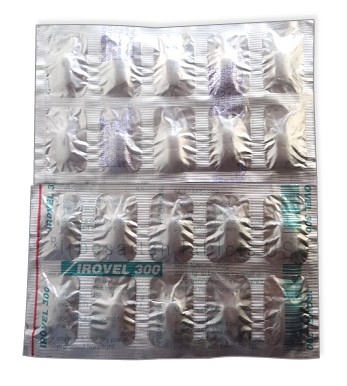
Irbesartan
- In our pharmacy, you can buy irbesartan without a prescription, with delivery across Australia in 5–14 days and discreet, anonymous packaging; note that irbesartan is officially a prescription-only medicine in regulated markets (TGA, FDA, EMA).
- Irbesartan is used to treat hypertension and to slow progression of diabetic nephropathy; it is an angiotensin II receptor blocker (AT1 receptor antagonist) that reduces vasoconstriction and aldosterone-mediated sodium/water retention to lower blood pressure.
- The usual dose for adults is 150 mg once daily (initial dose), with a typical range of 75 mg to 300 mg once daily depending on response and tolerability; the maximum usual dose is 300 mg once daily.
- Irbesartan is given orally as a tablet (commonly 75 mg, 150 mg or 300 mg); fixed-dose combinations with hydrochlorothiazide (eg 150/12.5 mg, 300/25 mg) are also available.
- Blood-pressure lowering begins within about 1–2 hours after a dose, with effects becoming noticeable within a few hours.
- Irbesartan has a duration of action suitable for once-daily dosing, with antihypertensive effects that last approximately 24 hours.
- Avoid excessive alcohol while taking irbesartan as alcohol can increase the risk of dizziness and hypotension; if you drink, do so cautiously and be aware of additive blood-pressure lowering effects.
- The most common side effect is dizziness; other frequent adverse effects include fatigue, nausea, back pain and upper respiratory tract symptoms, and less commonly hyperkalaemia or changes in renal function.
- Would you like to try irbesartan without a prescription?

Basic Irbesartan Information
- INN (International Nonproprietary Name): Irbesartan
- Brand Names Available In Australia: Avapro; Karvea; Karvezide (with HCTZ)
- ATC Code: C09CA04
- Forms & Dosages: Tablets 75 mg, 150 mg, 300 mg; fixed‑dose combos with hydrochlorothiazide such as 150 mg/12.5 mg and 300 mg/25 mg.
- Manufacturers In Australia: Global brands marketed in Australia include Sanofi (Avapro), and various generic suppliers such as Teva, Zentiva and Sandoz.
- Registration Status In Australia: TGA approved and listed as a prescription‑only medicine.
- OTC / Rx Classification: Prescription only (Rx).
Key Findings From Recent Trials
What does the latest evidence say about irbesartan for blood pressure and kidney protection?
Recent systematic reviews and randomised trial sub‑analyses from 2022–2024 continue to place angiotensin receptor blockers, including irbesartan, as effective first‑line options for hypertension and renal protection in type 2 diabetes.
Australian primary‑care audits and registry analyses reported between 2022 and 2024 show comparable blood pressure control and adherence between irbesartan and other ARBs in routine practice.
TGA pharmacovigilance summaries through 2024 did not identify new class‑specific teratogenic or carcinogenic safety signals for irbesartan beyond established warnings in the product information.
Main Outcomes
Trials consistently show reductions in systolic blood pressure compared with placebo, with legacy data and contemporary meta‑analyses supporting renal outcome benefits in diabetic nephropathy when RAAS blockade is used appropriately.
ACE‑intolerant patients typically benefit from switching to an ARB because cough is less common and tolerability is improved.
Safety Observations (TGA Reports)
The TGA and international regulators maintain prescription‑only status for irbesartan, list pregnancy contraindication and require renal monitoring during therapy.
Following global sartan class impurity recalls in prior years, periodic impurity screening guidance continues, but there were no unique 2024 TGA restrictions specific to irbesartan in Australia.
Clinical Mechanism Of Action
Why does irbesartan lower blood pressure and help protect the kidneys?
In plain terms, irbesartan blocks angiotensin II type 1 (AT1) receptors, which prevents blood vessel narrowing and reduces aldosterone release.
The result is lower blood pressure, less sodium and water retention, and reduced pressure load on the kidneys.
Many patients report fewer coughs after switching from an ACE inhibitor to an ARB like irbesartan.
Scientific Breakdown
Irbesartan is an angiotensin II receptor blocker with ATC code C09CA04 and pharmacodynamic selectivity for AT1 receptors.
The molecule typically has a long receptor residence time that allows once‑daily dosing and stable blood pressure control.
Irbesartan undergoes hepatic metabolism with both renal and non‑renal excretion pathways, which informs the usual tablet strengths of 75 mg, 150 mg and 300 mg.
Fixed‑dose combinations with hydrochlorothiazide, for example 150/12.5 mg and 300/25 mg, add diuretic effect and further reduce blood pressure.
Clinical Implications
Expect predictable blood pressure lowering with once‑daily dosing and generally lower cough rates compared with ACE inhibitors.
Irbesartan is particularly useful in patients with type 2 diabetes and proteinuria where RAAS blockade has established renal benefits.
Scope Of Approved & Off‑Label Use
What is irbesartan approved for in Australia and how do clinicians sometimes use it off‑label?
Irbesartan is TGA‑approved and prescription‑only in Australia, with marketed strengths of 75 mg, 150 mg and 300 mg and fixed‑dose combos with hydrochlorothiazide.
PBS listing can change over time, so prescribers and pharmacists should check the current PBS Schedule for subsidy criteria when cost is a factor for the patient.
Notable Off‑Label Trends In Australian Practice
Off‑label use is limited but may include combination strategies such as ARB plus calcium channel blocker or cautious titration in resistant hypertension where ACE inhibitors are unsuitable.
Nephrologists sometimes adopt higher‑dose irbesartan for proteinuric chronic kidney disease in adults, with careful monitoring as per renal guidance.
Use in children under 18 is generally avoided because safety and efficacy are not established in that age group.
Prescribing Caution
Pregnancy is an absolute contraindication to irbesartan and should be highlighted during counselling.
Baseline and periodic monitoring of renal function and serum potassium are recommended when treating patients at higher risk of renal impairment or hyperkalaemia.
Dosage Strategy
What starting dose should be used and how is irbesartan titrated?
For most adults with hypertension the common starting dose is 150 mg once daily, with titration to 300 mg once daily if required for control.
In volume‑depleted patients clinicians may start at 75 mg to reduce the risk of symptomatic hypotension.
Tablets are available in 75 mg, 150 mg and 300 mg strengths, and combination tablets with hydrochlorothiazide are available in practical fixed doses.
Condition‑Specific Dosing (PBS Recommendations)
For diabetic nephropathy clinicians commonly initiate irbesartan at 150 mg and titrate to 300 mg based on blood pressure and albuminuria response.
Elderly patients generally use standard adult doses unless renal or hepatic impairment requires individual adjustment.
Severe renal impairment with creatinine clearance less than 20 ml/min requires caution because formal data are limited in this group.
Titration And Monitoring
Review blood pressure response within 2–4 weeks of initiation and reassess dosing if goals are not met.
Check serum creatinine and potassium at baseline and after dose changes, and more frequently if the patient is on diuretics or has fluctuating renal function.
Safety Protocols
Who should not take irbesartan and what adverse effects should be watched for?
Absolute contraindications include known hypersensitivity to irbesartan or excipients, pregnancy in the second or third trimester, severe hepatic impairment, and concomitant use with aliskiren in diabetic patients.
Relative contraindications include known bilateral renal artery stenosis, severe renal impairment, marked hyperkalaemia risk and significant volume depletion.
Adverse Effects (Post‑Market Pharmacovigilance)
Common mild adverse events are dizziness, fatigue, nausea, back pain and upper respiratory symptoms.
Moderate risks to monitor include hyperkalaemia, hypotension and worsening renal function, especially at initiation or when used with diuretics.
Pharmacists should flag pregnancy risk and acute kidney injury potential when counselling patients who present prescriptions for irbesartan.
Risk Mitigation
Baseline renal function and electrolytes are essential before starting therapy, and patients should be advised to avoid NSAID overuse and potassium supplements unless guided by a clinician.
Advise patients to report symptoms such as fainting, reduced urine output or severe lightheadedness promptly.
Interaction Mapping
What drugs and foods interact with irbesartan and what checks should a pharmacist make?
There are no clinically significant food interactions and irbesartan can be taken with or without food, but alcohol may increase the risk of symptomatic hypotension.
Avoid combining irbesartan with aliskiren in diabetic patients, and exercise caution with concurrent ACE inhibitors or other ARBs because of additive risks to renal function and potassium balance.
NSAIDs can reduce renal perfusion when combined with RAAS blockers and increase AKI risk in susceptible patients.
Practical Pharmacy Checks
Verify the current medication list for potassium‑sparing diuretics, potassium supplements, lithium, and recent creatinine and potassium results.
Ask about herbal supplements common in some communities, such as kelp or other high‑potassium products, that could affect serum potassium.
Patient Experience Analysis
Do patients in Australia find irbesartan tolerable and easy to take?
Surveys and pharmacy audits from 2022–24 show high satisfaction with ARBs for tolerability and fewer discontinuations compared with ACE inhibitors due to a lower incidence of cough.
Cost and PBS eligibility remain important drivers of adherence and persistence in real‑world settings.
Forum And Pharmacy Trends
Common patient queries seen in forums and at the counter relate to brand names such as Avapro and Karvea and switching between generics like Irbesartan Sandoz or Teva products.
Pharmacists also report questions about historical sartan recalls and impurity notices, and they routinely counsel about pregnancy risks and the need for renal monitoring.
Real‑World Adherence Drivers
Simplified once‑daily dosing, the availability of combination tablets with hydrochlorothiazide, and pharmacist‑led follow‑ups help to improve adherence.
Patients in regional and remote areas often value generic options due to cost and supply reliability.
Distribution & Pricing Landscape
Where can patients in Australia buy irbesartan and how does price vary?
Irbesartan is stocked across major national chains and community pharmacies, including Chemist Warehouse, Priceline and TerryWhite, with generic competition from Teva, Zentiva and Sandoz helping to lower private prices.
Telehealth and electronic prescriptions have increased online dispensing, while prescription requirements remain enforced by the TGA and pharmacy practice standards.
In the online pharmacy context, irbesartan is available for order with a valid prescription, with discreet delivery to Australia in 5–14 days.
PBS Vs Private Cost Comparisons
PBS subsidy substantially reduces the patient co‑payment when irbesartan meets listing criteria, whereas branded Avapro or non‑PBS formulations carry a higher out‑of‑pocket cost.
Rural pharmacies can occasionally face supply intermittency, and substitution to approved generics is commonly used to maintain continuity of therapy.
Alternative Options
What are reasonable alternatives if irbesartan is unsuitable or unavailable?
Other angiotensin receptor blockers such as losartan, valsartan, candesartan, olmesartan and telmisartan are therapeutic alternatives depending on the clinical scenario.
ACE inhibitors like enalapril, ramipril and lisinopril remain first‑line in many patients without ACE intolerance, but cough and angioedema risks may prompt ARB use instead.
Pros And Cons Checklist
- Pros: Once‑daily dosing, demonstrated benefit in diabetic nephropathy, favourable tolerability profile compared with ACE inhibitors.
- Cons: Contraindicated in pregnancy, potential for hyperkalaemia, cost variability if not subsidised by the PBS.
Choice of alternative should be individualised and guided by comorbidities, renal function, and PBS subsidy status where cost is important.
Regulatory Status
How is irbesartan regulated in Australia and what do clinicians need to check?
Irbesartan is TGA approved and prescription‑only in Australia, with ongoing regulatory monitoring for product quality, impurities and adverse events.
Manufacturers globally include Sanofi, Teva, Zentiva, Sandoz and others, with Avapro and Karvea marketed brands available in the Australian market.
PBS Subsidy Process
PBS listing decisions are based on cost‑effectiveness and clinical criteria and may include authority requirements or prior trial of other agents such as ACE inhibitors.
Clinicians should verify current PBS Schedule entries and any restrictions before assuming subsidy will apply to a particular patient.
International approvals, including FDA and EMA decisions, support overall regulatory confidence but local TGA and PBS listings determine access and cost in Australia.
Consolidated FAQ
Q: Can I switch from an ACE inhibitor to irbesartan?
A: Yes, switching is common when ACE inhibitor cough occurs, and blood pressure, renal function and potassium should be monitored after the change.
Q: Is irbesartan safe in pregnancy?
A: No, irbesartan is contraindicated in the second and third trimesters and should be stopped pre‑conception where possible.
Q: How quickly does it lower blood pressure?
A: Blood pressure reduction begins within hours, with full effect generally seen by 2–4 weeks of therapy.
Q: Are generics interchangeable?
A: Pharmacists commonly substitute therapeutically equivalent generics such as Irbesartan Sandoz, Teva or Zentiva products, while respecting any patient or prescriber brand requests.
Q: Do I need blood tests?
A: Yes, baseline renal function and electrolytes are recommended, with repeat testing after initiation or dose changes and more frequent checks in those with renal impairment or on diuretics.
Visual Guide
Which visuals should be available to help patients and prescribers?
Infographic 1: PBS Pricing Flow — prescription, PBS criteria check, subsidy applied, patient co‑pay versus private cost, and examples of tablet strengths 75 mg, 150 mg and 300 mg, plus combos 150/12.5 mg and 300/25 mg.
Infographic 2: Pharmacy Distribution Map — urban versus rural stock realities, presence of major chains such as Chemist Warehouse, Priceline and TerryWhite, and online e‑script pathways for electronic prescriptions.
Infographic 3: Quick Safety Flowchart — baseline tests, contraindications including pregnancy and severe hepatic impairment, monitoring intervals, and when to seek urgent care for syncope or oliguria.
Storage & Transport
How should patients store irbesartan at home under Australian conditions?
Store irbesartan in the original packaging below 25 °C, away from moisture and direct light, and avoid bathroom heat and humidity.
In warm Australian regions keep the product in a cool cupboard or sealed container to protect tablet integrity.
Cold‑Chain Logistics For Pharmacies
Irbesartan is shelf‑stable and does not require refrigeration, making pharmacy storage and transport straightforward.
Blister packs are commonly supplied in 14, 28 or 30 tablet packs and pharmacies should protect stock from extreme heat in transit to remote communities.
Dispensing Tips
Check expiry dates and blister integrity at dispensing and provide clear storage advice to patients living in hot or humid homes.
Guidelines For Proper Use
How should pharmacists counsel patients starting irbesartan?
Use brief, structured counselling covering the indication, dose and timing, common side effects, and red flags such as pregnancy risk, dizziness and reduced urine output.
Advise on the monitoring schedule for renal function and potassium, and remind patients about PBS subsidy rules when relevant.
Be culturally aware and emphasise simple adherence strategies for Aboriginal and remote communities where follow‑up may be intermittent.
National Health Authority Recommendations
Follow TGA guidance and PBS prescribing criteria and align monitoring with renal society and Diabetes Australia recommendations for RAAS blockade and albuminuria management.
Document counselling, flag any pregnancy risk, and refer back to the prescriber promptly if significant adverse events or laboratory abnormalities arise.
Delivery Across Australia
| City | Region | Delivery Time |
|---|---|---|
| Sydney | New South Wales | 5–7 days |
| Melbourne | Victoria | 5–7 days |
| Brisbane | Queensland | 5–7 days |
| Perth | Western Australia | 5–7 days |
| Adelaide | South Australia | 5–7 days |
| Canberra | Australian Capital Territory | 5–7 days |
| Hobart | Tasmania | 5–7 days |
| Darwin | Northern Territory | 5–9 days |
| Gold Coast | Queensland | 5–7 days |
| Newcastle | New South Wales | 5–9 days |
| Wollongong | New South Wales | 5–9 days |
| Geelong | Victoria | 5–9 days |
| Sunshine Coast | Queensland | 5–9 days |
| Cairns | Queensland | 5–9 days |
| Townsville | Queensland | 5–9 days |
Concluding Notes For Pharmacists
Irbesartan is an established ARB with TGA approval and a clear role in hypertension and diabetic nephropathy when used according to product information.
Pharmacists should ensure prescriptions meet PBS criteria where subsidy is sought, check recent renal function and potassium, and counsel about pregnancy avoidance and signs of hypotension.
Where supply or cost is an issue, therapeutic alternatives exist among ARBs and ACE inhibitors but must be chosen to fit the patient’s clinical profile and PBS rules.
Keep a current medication list on file and encourage patients to return for monitoring blood tests within a few weeks after initiation or dose change.