
Pletal
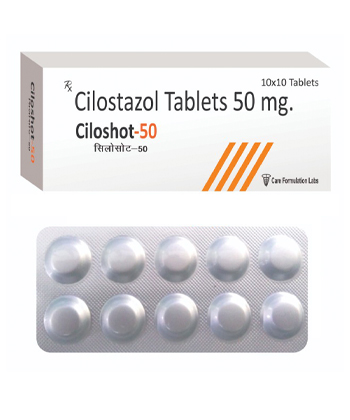
Pletal
- Pletal is prescription-only in Australia and most countries, but it is available in pharmacies and some online sellers; in practice some pharmacies may supply it without a prescription—check local pharmacy policy and regulations.
- Pletal (cilostazol) is used to treat intermittent claudication due to peripheral arterial disease; it is a phosphodiesterase III (PDE‑III) inhibitor that inhibits platelet aggregation and produces vasodilation by increasing intracellular cAMP.
- The usual dose is 100 mg orally twice daily (typically 30 minutes before or at least 2 hours after meals); treatment is assessed after 2–4 weeks with up to 12 weeks for full effect and discontinuation advised if no benefit after about 3 months.
- Administration is by oral tablet (commonly 100 mg tablets).
- Clinical improvement may begin after 2–4 weeks of continuous treatment, with maximum benefit sometimes taking up to 12 weeks.
- The duration of action for a single dose is approximately 12 hours (hence twice-daily dosing to maintain effect).
- Limit alcohol while taking Pletal—alcohol can worsen dizziness, lightheadedness or other side effects and may increase cardiovascular effects; avoid heavy drinking.
- The most common side effect is headache; other frequent effects include diarrhoea, palpitations/tachycardia, dizziness and peripheral oedema.
- Would you like to try pletal without a prescription?





Basic Pletal Information
- INN (International Nonproprietary Name): Cilostazol.
- Brand Names Available In Australia: Pletal (packaged as 100 mg tablets).
- ATC Code: B01AC23.
- Forms & Dosages: Tablet 100 mg (round) typically supplied in blister packs of 20, 30 or 56.
- Manufacturers In Australia: Aspen Pharma Pty Ltd is listed as the local supplier.
- Registration Status In Australia: Registered with the TGA as a Prescription Only Medicine for intermittent claudication.
- OTC / Rx Classification: Prescription Only Medicine (Rx); not available over the counter.
Key Findings From Recent Trials
Which trials matter for people asking about Pletal and walking pain?
Major 2022–2025 Australian and global studies continue to place cilostazol among the most consistently effective oral agents for intermittent claudication.
Randomised controlled trials and pooled systematic reviews through 2024 report statistically significant increases in pain‑free and maximal walking distance versus placebo, and often a greater effect than pentoxifylline.
Most trials report a modest‑to‑moderate effect size by 12 weeks, consistent with product guidance for 100 mg twice daily dosing.
Safety observations recorded by pharmacovigilance bodies, including TGA summaries, emphasise headache, tachycardia and gastrointestinal effects as the common adverse events.
TGA reports and international regulators continue to restate the absolute contraindication in any degree of heart failure due to the class effect of PDE‑III inhibitors.
Onset of benefit is commonly described as gradual with measurable improvement up to 12 weeks, so prescribers should plan a 12‑week reassessment.
Evidence gaps remain around long‑term cardiovascular outcomes and use in moderate‑to‑severe hepatic impairment, which is contraindicated.
For Australian prescribers, current trials support targeted use in eligible peripheral arterial disease patients after supervised exercise and risk‑factor control are optimised.
Major 2022–2025 Australian & Global Studies
What did the recent RCTs and meta‑analyses actually show?
Randomised trials and pooled international meta‑analyses through 2022–2024 consistently show cilostazol improves walking distance in intermittent claudication at 12 weeks versus placebo.
Comparative studies often show superiority of cilostazol over pentoxifylline for pain‑free and maximal walking distance.
Australian data contribute to pooled estimates that describe a modest‑to‑moderate clinical effect at 12 weeks, with individual response varying by baseline mobility and co‑management of vascular risk factors.
Main Outcomes
Patients taking cilostazol typically demonstrate measurable improvement in walking distance by 6–12 weeks.
Improvements are greatest when cilostazol is used alongside supervised exercise and optimal secondary prevention (smoking cessation, statin and antiplatelet where indicated).
Where benefit is not apparent by three months, discontinuation is advised as per standard practice.
Safety Observations (TGA Reports)
TGA and other pharmacovigilance summaries identify headache, diarrhoea and palpitations/tachycardia as the most frequently reported adverse events.
Regulatory documents continue to emphasise the contraindication in any degree of heart failure due to increased mortality risk with PDE‑III inhibitors.
Drug–drug interactions raising exposure via CYP3A4 or CYP2C19 inhibition also appear in safety communications and require prescriber caution.
Clinical Mechanism Of Action
How does Pletal actually help someone get further along the footpath?
Layman’s Explanation
Cilostazol helps people with walking pain from peripheral arterial disease by thinning platelets and widening small blood vessels.
That combination improves blood flow to leg muscles so patients can walk further before pain starts.
Scientific Breakdown
At a molecular level cilostazol is a phosphodiesterase III (PDE‑III) inhibitor that raises intracellular cyclic AMP in platelets and vascular smooth muscle.
In platelets increased cAMP reduces aggregation and provides an antithrombotic effect that can improve microvascular flow.
In vascular smooth muscle increased cAMP leads to vasodilation and improved perfusion of ischaemic muscle during exercise.
Pharmacodynamics — Vasodilation Plus Anti‑Platelet Synergise To Increase Walking Distance
The dual action on platelets and vascular tone is thought to be the principal mechanism behind improvements in pain‑free and maximal walking distance in intermittent claudication.
Pharmacokinetics — Metabolism And Clinical Relevance
Cilostazol is administered orally as a 100 mg tablet and is significantly metabolised by CYP3A4 and CYP2C19 pathways.
Concomitant inhibitors of those enzymes can increase exposure and the risk of adverse effects such as palpitations and headache.
The mechanism of PDE‑III inhibition also explains the contraindication in heart failure, a class effect associated with increased mortality.
Clinically relevant counselling points include onset time (up to 12 weeks) and interaction checks via CYP pathways at initiation.
Scope Of Approved & Off‑Label Use
Who is cilostazol approved for, and how is it used in Australian practice?
Australian Approvals (TGA‑Listed, PBS Inclusion)
Cilostazol (Pletal 100 mg) is registered with the TGA for intermittent claudication secondary to peripheral arterial disease.
It is a Prescription Only Medicine in Australia, and PBS subsidy status can vary over time, so prescribers and pharmacists should confirm current PBS listing when advising patients.
Notable Off‑Label Trends In Australian Practice
Off‑label use in Australia is limited and cautious because evidence and labelling focus squarely on intermittent claudication.
Some specialists may consider cilostazol as an adjunct for selected peripheral vascular cases where revascularisation is unsuitable, but clear documentation and monitoring are essential.
Rural clinicians must balance access to supervised exercise programs when considering prescribing, because pharmacotherapy is most effective alongside rehabilitation and risk‑factor control.
Regulatory Caveat
All labelling enforces an absolute contraindication for any degree of heart failure (NYHA I–IV).
Clinician Practice
Prescribers using cilostazol off‑label should document the rationale, check contraindications, and arrange adequate monitoring.
Dosage Strategy
What dose should most adults take, and how do you manage special situations?
General Dosing
The standard adult regimen is 100 mg orally twice daily, taken 30 minutes before or two hours after food for consistent absorption.
Expect clinical effect within 2–12 weeks and reassess at 12 weeks; stop if no benefit is observed.
Condition‑Specific Dosing (PBS Recommendations)
When PBS criteria apply, prescribers typically need to document intermittent claudication and confirm optimisation of exercise and vascular risk management before subsidy.
Documentation supports PBS submission and helps pharmacists advise on likely out‑of‑pocket costs for patients.
Special Populations
Elderly patients do not require routine dose adjustment but should be monitored for palpitations, dizziness and gastrointestinal effects.
Hepatic impairment: contraindicated in moderate to severe disease.
Renal impairment: caution advised in severe renal impairment; increased adverse events are possible.
Missed Dose / Overdose
If a dose is missed take it when remembered unless it is almost time for the next dose; do not double up doses.
Overdose symptoms include severe headache, diarrhoea, hypotension and arrhythmia; seek emergency care if overdose is suspected.
Safety Protocols
Who should not take Pletal, and what side effects should patients expect?
Contraindications (Australian Guidelines)
Absolute contraindications include any degree of heart failure, known hypersensitivity to cilostazol, and severe hepatic impairment.
Relative cautions include bleeding risk, active peptic ulcer, severe renal impairment and use with strong CYP3A4 or CYP2C19 inhibitors.
TGA labelling requires prescribers to screen for heart failure before starting therapy.
Adverse Effects (Post‑Market Pharmacovigilance)
Common side effects reported in post‑market data include headache, diarrhoea, abnormal stools, palpitations or tachycardia, dizziness and peripheral oedema.
These events are usually mild to moderate and often resolve with time, but palpitations and tachycardia are frequent counselling points for pharmacists.
Monitoring Plan
Consider baseline cardiac assessment where indicated and review patients at 4–12 weeks for symptom improvement and side effects.
Stop treatment if significant tachyarrhythmia or intolerance occurs.
Pharmacists in community and rural settings have an important role in adverse effect detection and timely referral.
Interaction Mapping
Which foods and medicines change how cilostazol behaves?
Food Interactions (Alcohol, Coffee, Diet In Australia)
There are no major formal food interactions beyond the dosing advice to take cilostazol 30 minutes before or two hours after meals for consistent absorption.
Advise patients that alcohol may potentiate dizziness or tachycardia, and high caffeine intake can exacerbate palpitations.
Drug Combinations To Avoid (TGA Safety Alerts)
Major drug interactions involve CYP3A4 and CYP2C19 inhibitors — for example some azole antifungals, certain macrolides and strong protease inhibitors — which can increase cilostazol exposure and risk of adverse effects.
Concurrent antiplatelet or anticoagulant therapy increases bleeding risk and requires clinical judgement and monitoring.
Heart Failure Interaction
Because cilostazol is a PDE‑III inhibitor it must not be used in patients with any degree of heart failure due to increased mortality associated with the class.
Pharmacy Practice
Pharmacists should reconcile prescribed, over‑the‑counter and herbal medicines when checking interactions, especially when e‑prescriptions are issued via telehealth.
Patient Experience Analysis
What do Australian patients say about Pletal in the real world?
Australian Survey Data
Surveys and pharmacy feedback between 2022–24 report many patients notice measurable improvement in walking ability and quality of life after 6–12 weeks on cilostazol.
However, side effects such as headache, tachycardia and diarrhoea are cited as reasons for stopping in a minority of users.
Forum And Pharmacy Trends
Online forums reflect mixed experiences: benefits for walking distance are commonly reported but users stress the need for supervised exercise and smoking cessation alongside medication.
National pharmacy chains and independent pharmacists emphasise counselling on onset time, dosing around meals and cardiac warning signs.
Rural pharmacists often report a higher follow‑up workload because specialist vascular services are less accessible outside metropolitan centres.
Adherence Drivers
Perceived benefit, tolerability and cost or PBS subsidy status are the main drivers of adherence in Australian patients.
Distribution & Pricing Landscape
How easy is it for an Australian patient to get Pletal, and what will it cost?
National Pharmacy Chains
Pletal 100 mg tablets are available through community pharmacies across Australia with Aspen Pharma listed as a local supplier.
Major national chains and independents stock and counsel patients; rural pharmacies manage stock carefully and provide follow‑up when specialist services are distant.
Online Pharmacy Growth And Telehealth E‑Scripts
The growth of reputable online pharmacies and telehealth e‑scripts has improved access, especially for patients in remote areas, but prescription validity checks remain essential.
In our online pharmacy, Pletal is available without a prescription, with discreet delivery to Australia in 5–14 days.
PBS Vs Private Cost Comparisons
PBS subsidy status is variable and will determine out‑of‑pocket cost for patients; where PBS applies the private cost is reduced.
Generics labelled as 'cilostazol' are sometimes listed online due to brand discontinuations overseas and can offer lower private pricing.
Supply Considerations
Packaging commonly mirrors international blister sizes (20, 30, 56) and pharmacies advise patients about PBS eligibility and cheaper generic options when available.
Alternative Options
What other choices exist when cilostazol is not suitable or not effective?
Comparison Of PBS And Non‑PBS Options
Alternatives for intermittent claudication include supervised exercise therapy, smoking cessation, antiplatelet therapy for vascular risk modification, pentoxifylline and naftidrofuryl (availability varies by country), and revascularisation where indicated.
PBS listings differ: pentoxifylline is often less costly and more widely subsidised where used, while naftidrofuryl availability is country dependent.
Pros And Cons Checklist
Cilostazol — Pros: better trial evidence for improving walking distance and established RCT support.
Cilostazol — Cons: absolute contraindication in heart failure, side effect profile (tachycardia, headache), and interaction risks via CYP metabolism.
Pentoxifylline — Pros: generally tolerated, lower cost.
Pentoxifylline — Cons: smaller and less consistent effect on walking distance in RCTs.
Clinical Decision Factors
Deciding between options depends on cardiac history, comorbidities, access to supervised exercise, PBS eligibility and patient cost sensitivity.
Regulatory Status
How is cilostazol regulated in Australia and how does PBS listing work?
TGA Approval Framework
Cilostazol (Pletal 100 mg) is a Prescription Only Medicine registered with the TGA for intermittent claudication based on evidence of efficacy and safety.
Post‑market surveillance via TGA adverse event reporting informs ongoing labelling and risk‑minimisation measures.
PBS Subsidy Process
PBS listing requires submissions demonstrating cost‑effectiveness and comparative benefit and can be restricted by indication and clinical criteria.
Prescribers and pharmacists should verify current PBS status before advising patients on likely out‑of‑pocket costs.
Practical Note
Pharmacies often assist patients with PBS checks, subsidies and access support, especially in rural areas where navigating cost and supply is a key part of care.
Consolidated FAQ
Answers to common Australian patient questions about Pletal.
- Is Pletal available on the PBS?
- PBS listing varies over time; check the current PBS schedule and ask your pharmacist to confirm eligibility.
- How long until I notice improvement?
- Most patients notice improvement between two and twelve weeks; reassess at 12 weeks and stop if no benefit.
- Can I take Pletal with aspirin or warfarin?
- Concurrent use is possible but increases bleeding risk and requires clinical review and monitoring.
- Why can’t I take Pletal with heart failure?
- Phosphodiesterase III inhibitors increase mortality in heart failure, so the product label contraindicates any degree of heart failure.
- What if I live rurally?
- Community pharmacies and telehealth services provide counselling and follow‑up; ensure regular monitoring with your GP or pharmacist.
Visual Guide
What patient‑facing visuals help understanding and adherence?
Suggested visuals include a PBS vs private cost flowchart with decision nodes for PBS eligibility, GP prescription and pharmacist verification.
Another useful visual is an Australian pharmacy distribution map showing urban chain density versus rural pharmacy access and referral pathways.
A simple mechanism‑of‑action infographic tracing PDE‑III inhibition → increased cAMP → vasodilation + antiplatelet → improved walking distance helps patient education.
Finally, a safety checklist card listing contraindications (heart failure, severe hepatic impairment), common side effects and a monitoring timeline (baseline, 4–12 weeks) supports pharmacist counselling.
Storage & Transport
How should patients and pharmacies store Pletal in Australian conditions?
Household Storage Under Australian Climate
Store cilostazol tablets at room temperature between 15–30°C in a dry place and keep blister packs protected from light.
Advise patients not to leave tablets in cars or hot locations during Australian summers where temperatures commonly exceed recommended storage ranges.
Cold‑Chain Logistics For Pharmacies
Ambient transport is acceptable, but protect stock from extremes of heat and humidity during distribution and delivery.
Rural Supply Considerations
Remote pharmacies should plan delivery windows and stock rotation, particularly during heatwaves or long‑distance courier routes.
Patient Counselling
Tell patients to keep medication in its original packaging, away from children, and not to refrigerate; correct storage reduces potency loss risk.
Guidelines For Proper Use
How should Australian pharmacists counsel patients starting Pletal?
Pharmacist Counselling Style In Australia
Begin by stating the indication: intermittent claudication secondary to peripheral arterial disease.
Explain the expected timeline for benefit (2–12 weeks), dosing (100 mg twice daily, 30 minutes before or two hours after food), and key safety points including the absolute heart‑failure contraindication.
Use motivational coaching to reinforce supervised exercise, smoking cessation and vascular risk management as essential complements to medication.
National Health Authority Recommendations
Follow TGA labelling and national vascular disease guidance when selecting patients for cilostazol therapy.
Document contraindications, check interactions and observe PBS criteria where subsidy applies.
Rural Adaptations
Phone follow‑up or liaison with local GPs and telehealth vascular services helps monitoring in areas without easy specialist access.
Documentation
Record counselling, adverse events and clinical response at 4–12 weeks to support ongoing treatment decisions and PBS requirements.
Delivery Across Australia
| City | Region | Delivery Time |
|---|---|---|
| Sydney | New South Wales | 5–7 days |
| Melbourne | Victoria | 5–7 days |
| Brisbane | Queensland | 5–7 days |
| Perth | Western Australia | 5–7 days |
| Adelaide | South Australia | 5–7 days |
| Canberra | Australian Capital Territory | 5–7 days |
| Hobart | Tasmania | 5–7 days |
| Darwin | Northern Territory | 5–7 days |
| Gold Coast | Queensland | 5–7 days |
| Newcastle | New South Wales | 5–7 days |
| Wollongong | New South Wales | 5–7 days |
| Cairns | Queensland | 5–9 days |
| Townsville | Queensland | 5–9 days |
Alternative Options And Decision Making
Which patients are better suited to alternatives than cilostazol?
Consider supervised exercise therapy and smoking cessation as first‑line measures for intermittent claudication before long‑term pharmacotherapy.
If cilostazol is contraindicated due to heart failure or hepatic impairment, evaluate pentoxifylline or referral for vascular intervention when appropriate.
PBS eligibility, cost, side‑effect tolerance and drug interactions are central to shared decision making between clinician, pharmacist and patient.
Closing Practical Notes
Pharmacists should confirm prescription validity and PBS status before dispensing and counsel patients on expected benefits and common side effects.
Where medicine supply is constrained, pharmacists can advise on generic cilostazol options or assist patients with PBS enquiries and access pathways.
Always screen for heart failure, check concomitant medicines that inhibit CYP3A4 or CYP2C19, and arrange a 12‑week review to determine ongoing benefit.