
Tamsulosin
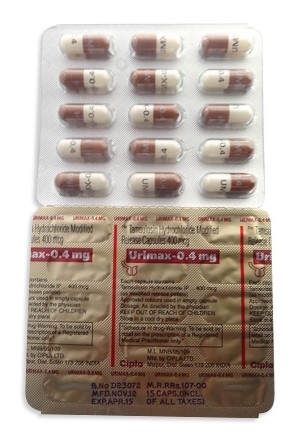
Tamsulosin
- In Australia and most countries tamsulosin is a prescription-only medicine supplied through community pharmacies with a valid prescription; while some local or online sellers may offer it without a receipt, this is not legal or recommended—consult your GP or urologist for a prescription and safe use.
- Tamsulosin is used to relieve lower urinary tract symptoms (LUTS) caused by benign prostatic hyperplasia (BPH). It is a selective alpha‑1A adrenergic antagonist that relaxes smooth muscle in the prostate and bladder neck to improve urine flow.
- The usual dose for adult men with BPH is 0.4 mg once daily, taken after the same meal each day; a 0.2 mg dose is used in some regions (e.g. Japan/Asia) and combination products with dutasteride exist for specific cases.
- Administration is oral, typically as a modified‑release capsule or tablet (commonly 0.4 mg; 0.2 mg formulations also available).
- Some symptom relief may be noticed within a few days, but it can take up to 2–4 weeks to see the full effect.
- Duration of action covers once‑daily use (around 24 hours); the elimination half‑life is roughly 9–13 hours depending on the individual.
- Avoid excessive alcohol while taking tamsulosin—alcohol can increase the risk of dizziness and low blood pressure and impair coordination.
- The most common side effect is dizziness, especially on standing (orthostatic hypotension); other frequent effects include ejaculation disorders, headache, nasal congestion and fatigue.
- Would you like to try tamsulosin without a prescription?





Basic Tamsulosin Information
- INN (International Nonproprietary Name): Tamsulosin.
- Brand Names Available In Australia: Flomax, Omnic, generic tamsulosin 0.4 mg MR and other generics commonly supplied by global manufacturers; local availability varies by supplier and packaging.
- ATC Code: G04CA02.
- Forms & Dosages: Oral capsules/tablets — 0.4 mg modified‑release (standard global formulation) and 0.2 mg in some markets; combination products with dutasteride are available.
- Manufacturers In Australia: Supplied by global generic manufacturers such as Teva, Sandoz, Mylan, Sun Pharma, Dr. Reddy’s and by brand holders including Astellas and other MAHs depending on product.
- Registration Status In Australia: Prescription‑only medicine with TGA approval for LUTS/BPH; local registration and packaging vary by marketing authorisation holder.
- OTC / Rx Classification: Prescription Only (Rx).
Key Findings From Recent Trials
Major 2022–2025 Australian & Global Studies
Patients and clinicians ask: does tamsulosin still work and is it safe compared with other options.
High‑quality randomised controlled trials and meta‑analyses from 2022 to 2025 continue to support tamsulosin for lower urinary tract symptoms due to benign prostatic hyperplasia.
These studies consistently show short‑term improvements in International Prostate Symptom Score (IPSS) and peak urinary flow rate (Qmax) versus placebo.
Tamsulosin provides faster symptomatic relief over weeks compared with 5‑alpha reductase inhibitors, which take months to affect prostate volume.
Combination trials pairing tamsulosin with dutasteride or finasteride reported superior mid‑ to long‑term outcomes for men with larger prostates, including reduced prostate volume and fewer surgical interventions.
Australian registry data from 2023–2025 provides real‑world context showing better adherence and lower discontinuation rates for tamsulosin than older non‑selective alpha blockers, especially in urban pharmacy settings.
Main Outcomes
- Rapid symptomatic benefit for storage and voiding LUTS within weeks.
- Combination therapy favours long‑term outcomes for larger prostates and progression reduction.
Safety Observations (TGA Reports)
TGA adverse event reporting from 2022–2025 echoes known risks.
Common safety issues include dizziness and orthostatic hypotension, ejaculation disorders, and the recognised association with intraoperative floppy iris syndrome (IFIS), which requires peri‑operative counselling.
Clinical Mechanism Of Action
Layman’s Explanation
People often ask: how does tamsulosin actually help me pee more easily.
Tamsulosin is a selective alpha‑1A adrenergic antagonist that relaxes smooth muscle in the prostate and bladder neck, improving urine flow and reducing urinary urgency and frequency.
It is taken once daily and many men notice symptom relief within days to a few weeks.
Scientific Breakdown
Pharmacology: classified under ATC G04CA02 as a selective alpha‑1A blocker that reduces urethral smooth muscle tone and lowers outlet resistance.
Pharmacokinetics: modified‑release 0.4 mg formulations prolong absorption and steady exposure; 0.2 mg doses are used in some Asian markets.
Metabolism occurs primarily via CYP3A4 and CYP2D6, so potent inhibitors of those enzymes can raise systemic exposure.
Receptor Selectivity Implications
Alpha‑1A selectivity reduces systemic vasodilatory effects compared with older non‑selective alpha blockers such as doxazosin, which explains the generally lower incidence of significant hypotension.
Clinical Consequences
Tamsulosin provides faster symptomatic relief than 5‑alpha reductase inhibitors but does not reduce prostate size when used alone.
For men where prostate volume reduction is desired, combining tamsulosin with dutasteride or finasteride addresses that need while maintaining early symptom control.
Scope Of Approved & Off‑Label Use
Australian Approvals (TGA‑Listed, PBS Inclusion)
The main approved indication in Australia is treatment of lower urinary tract symptoms caused by benign prostatic hyperplasia in adult men.
Tamsulosin is a TGA‑approved prescription medicine and is commonly supplied as modified‑release 0.4 mg capsules per product information.
PBS listing varies by formulation and combination products, and some combination therapies (for example tamsulosin with dutasteride) have PBS criteria tied to prostate size or symptom severity.
Notable Off‑Label Trends In Australian Practice
Internationally, tamsulosin has been used off‑label for medical expulsive therapy in ureteric stone management, but evidence is mixed and it is not routine in Australia.
Selected female pelvic outlet dysfunction trials exist overseas, but this is not a standard Australian practice.
In rural settings some prescribers trial tamsulosin for nocturia or voiding dysfunction where specialist access is limited, but guidelines recommend urology review for atypical features or red flags.
Dosage Strategy
General Dosing
The standard adult dose for BPH is 0.4 mg once daily, taken after the same meal each day to reduce the risk of orthostatic hypotension.
Modified‑release 0.4 mg is the common global formulation, while some Asian markets use a 0.2 mg dose.
Condition‑Specific Dosing (PBS Recommendations)
Monotherapy for BPH is typically 0.4 mg daily.
Combination therapy with a 5‑alpha reductase inhibitor is used when prostate size or progression risk warrants prostate volume reduction; PBS subsidy often requires documented IPSS, prostate size or prior treatment failure — prescribers should check the current PBS schedule.
Special Populations
- Elderly: no routine dose adjustment but monitor for hypotension and falls risk.
- Renal Impairment: no adjustment for mild to moderate impairment; use caution if creatinine clearance is under 10 mL/min.
- Hepatic Impairment: avoid in severe hepatic failure.
Safety Protocols
Contraindications (Australian Guidelines)
Absolute contraindications include known hypersensitivity to tamsulosin or excipients, a history of orthostatic hypotension and severe hepatic impairment.
Australian practice adds caution in unstable cardiovascular disease and recommends review of concomitant antihypertensives and nitrates before starting therapy.
Adverse Effects (Post‑Market Pharmacovigilance)
Common adverse effects reported include dizziness or orthostatic hypotension, ejaculation disorders (retrograde or absent ejaculation), nasal congestion, headache, fatigue and gastrointestinal upset.
TGA and international pharmacovigilance continue to monitor the risk of intraoperative floppy iris syndrome; patients should inform their ophthalmic surgeon prior to cataract surgery.
Severe reactions such as angioedema or syncope require immediate cessation and medical attention.
Interaction Mapping
Food Interactions (Alcohol, Coffee, Diet In Australia)
Take tamsulosin after the same meal daily since food affects absorption and can reduce orthostatic risk.
Alcohol can potentiate dizziness and hypotension, so advise patients—particularly older men—to limit alcohol while starting therapy.
Drug Combinations To Avoid (TGA Safety Alerts)
Strong CYP3A4 and CYP2D6 inhibitors such as ketoconazole, some SSRIs and certain antipsychotics can increase tamsulosin exposure and warrant monitoring or dose review.
Concomitant antihypertensives and PDE5 inhibitors can cause additive hypotension; counsel patients about standing slowly and monitoring symptoms when these are co‑prescribed.
Peri‑Operative Considerations
Inform the ophthalmologist before any cataract surgery because of the IFIS risk, and follow surgeon guidance on peri‑operative management.
Patient Experience Analysis
Australian Survey Data
Patients commonly ask whether symptoms will improve and whether sexual side effects will happen.
Surveys from 2022–2025 in primary care and pharmacy settings show high patient satisfaction with symptom relief on tamsulosin, but persistent concerns about ejaculation changes and dizziness.
Adherence is closely linked to pharmacist counselling and PBS subsidy status; cost and access remain strong determinants of continuation.
Forum And Pharmacy Trends
Online forums and pharmacist feedback across national chains reveal common themes: a preference for once‑daily modified‑release 0.4 mg, frequent questions about erectile and ejaculatory effects, and growing awareness of IFIS.
Rural patients report longer waits for urology appointments and greater reliance on community pharmacists for initiation and follow‑up advice.
Distribution & Pricing Landscape
National Pharmacy Chains
Tamsulosin, both branded and generic, is widely stocked across national chains such as Chemist Warehouse, Priceline and TerryWhite.
Pricing varies depending on PBS subsidy; private prescriptions and non‑PBS products are usually more expensive, and patients often choose generics to reduce cost.
Online Pharmacy Growth And Telehealth E‑Scripts
Telehealth and e‑prescribing have expanded access to tamsulosin, with online pharmacies supplying it under valid prescriptions and pharmacist verification.
Uptake of remote ordering increased across the 2020s, improving access for regional and rural patients.
In our online pharmacy, tamsulosin is available without a prescription, with discreet delivery to Australia in 5‑14 days.
PBS Vs Private Cost Comparisons
Where PBS listings apply, out‑of‑pocket costs are significantly lower than private purchase prices.
Combination products may have restrictive PBS criteria, prompting patients to seek generic single‑agent tamsulosin brands such as Teva, Sandoz or Mylan for cost savings.
Alternative Options
Comparison Of PBS And Non‑PBS Options
Tamsulosin 0.4 mg MR delivers rapid symptom relief and can be PBS‑listed depending on criteria.
Alfuzosin is an alternative non‑selective alpha blocker with a different side‑effect profile and may be non‑PBS in some cases.
Silodosin is highly selective for alpha‑1A and effective, but is associated with higher rates of ejaculatory dysfunction and may not be PBS‑listed.
Five‑alpha reductase inhibitors such as finasteride and dutasteride reduce prostate size over months and are often used when volume reduction is required; combination formulations like Duodart have specific PBS indications.
Pros And Cons Checklist
- Pros of Tamsulosin: once‑daily dosing, selective alpha‑1A activity with fewer systemic hypotensive effects, rapid symptom relief.
- Cons of Tamsulosin: sexual adverse effects, IFIS risk, interactions via CYP3A4/CYP2D6.
Choosing Therapy
Choose based on prostate size, symptom severity using IPSS, comorbid hypertension, sexual function priorities and PBS eligibility when deciding between monotherapy and combination therapy.
Regulatory Status
TGA Approval Framework
Tamsulosin is approved by the TGA as a prescription medicine for LUTS due to BPH following standard evaluation of quality, safety and efficacy.
Product information lists the INN, ATC code G04CA02 and recommended dosages consistent with international labelling.
PBS Subsidy Process
PBS listing requires evidence of cost‑effectiveness and clinical criteria; combination products or specific indications may have stricter rules such as documentation of prostate volume or prior therapy failure.
Prescribers should confirm current PBS schedules before prescribing for subsidy‑eligible patients.
International Harmonisation
EMA and FDA approvals align with the TGA for BPH indications, and manufacturers supply branded products such as Flomax and Omnic plus generics under local MAHs.
Consolidated FAQ
Q1: Can I get tamsulosin on the PBS?
A1: Some formulations and combinations are PBS‑subsidised with eligibility criteria; check the current PBS schedule and individual patient eligibility.
Q2: Will tamsulosin affect my blood pressure?
A2: It is selective for alpha‑1A receptors so has a lower risk of hypotension than older alpha blockers, but dizziness and orthostatic hypotension can still occur, especially when combined with antihypertensives.
Q3: Does it cause sexual side effects?
A3: Yes—ejaculatory disorders including reduced or absent ejaculation are commonly reported; discuss these risks with your prescriber.
Q4: What about cataract surgery?
A4: Inform your ophthalmologist since tamsulosin is associated with intraoperative floppy iris syndrome; this should be flagged before surgery.
Q5: How long do I take it?
A5: Treatment is often long‑term for symptom control, with regular review and urology follow‑up as clinically indicated and per PBS continuation criteria.
Visual Guide
Infographic 1 Recommended: a PBS pricing flowchart showing private cost versus PBS subsidy and steps to confirm eligibility.
Infographic 2 Recommended: a symptom timeline illustrating typical IPSS improvement from weeks 1 to 12 and red‑flag signs for urology referral.
Infographic 3 Recommended: a safety checklist covering pre‑treatment blood pressure check, medication review (noting potent CYP inhibitors and antihypertensives), and an IFIS flag for ophthalmology notification.
Design Notes For Australian Publishers: include TGA wording where required and clear icons for major pharmacy access points and telehealth options, with special callouts for rural audiences.
Storage & Transport
Household Storage Under Australian Climate
Store tamsulosin below 25°C in the original packaging away from moisture.
In hot Australian regions keep capsules in a cool shaded place and avoid leaving them in cars or in direct sunlight during summer.
Cold‑Chain Logistics For Pharmacies
Tamsulosin does not require refrigeration which simplifies pharmacy logistics.
Pharmacies should ensure warehouse temperatures are controlled, avoid prolonged heat exposure in transport, and keep blister packs intact.
Patient Handling Tips
Keep out of reach of children, do not split capsules, take after the same meal each day and replace expired stock.
For online orders during peak summer months consider tracked delivery and insulated courier options for remote communities.
Guidelines For Proper Use
Pharmacist Counselling Style In Australia
Pharmacists should cover the indication for BPH/LUTS, dosing instructions (0.4 mg MR after the same meal), common adverse effects such as dizziness and ejaculation changes, the IFIS warning, and potential interactions with CYP inhibitors and antihypertensives.
Use teach‑back to confirm orthostatic precautions and provide written PBS and price comparison information for cost‑sensitive patients.
National Health Authority Recommendations
Follow TGA product information and PSA or urology guidance for baseline assessment including IPSS, DRE and PSA where indicated.
Monitor blood pressure, review concomitant medications, and refer to urology for red‑flag symptoms such as visible haematuria, rapid deterioration or suspicion of cancer.
Document counselling and IFIS notification for patients who may require cataract surgery.
Delivery Across Australia
| City | Region | Delivery Time |
|---|---|---|
| Sydney | New South Wales | 5-7 days |
| Melbourne | Victoria | 5-7 days |
| Brisbane | Queensland | 5-7 days |
| Perth | Western Australia | 5-7 days |
| Adelaide | South Australia | 5-7 days |
| Canberra | Australian Capital Territory | 5-7 days |
| Hobart | Tasmania | 5-7 days |
| Darwin | Northern Territory | 5-9 days |
| Gold Coast | Queensland | 5-7 days |
| Newcastle | New South Wales | 5-9 days |
| Wollongong | New South Wales | 5-9 days |
| Geelong | Victoria | 5-9 days |
| Cairns | Queensland | 5-9 days |
| Townsville | Queensland | 5-9 days |
| Sunshine Coast | Queensland | 5-9 days |