Alcoholism, clinically known as alcohol use disorder, is a chronic condition characterised by an inability to control alcohol consumption despite negative consequences. This serious medical condition affects millions of Australians and can develop gradually or suddenly, depending on individual factors such as genetics, environmental influences, and psychological health.
Alcohol dependence occurs when the body becomes physically reliant on alcohol, leading to withdrawal symptoms when consumption stops. These symptoms can range from mild anxiety and tremors to severe complications including seizures and delirium tremens. Understanding the difference between casual drinking, problem drinking, and alcoholism is crucial for recognising when professional help is needed.
The condition impacts not only physical health but also mental wellbeing, relationships, employment, and financial stability. Many individuals with alcoholism experience co-occurring mental health conditions such as depression and anxiety, which can complicate treatment and recovery. Early recognition and intervention significantly improve outcomes and quality of life.
Common physical manifestations of alcoholism include trembling hands, persistent fatigue, digestive problems, and frequent infections due to weakened immunity. Individuals may experience blackouts, memory loss, and impaired concentration. Physical dependence develops when the body adapts to regular alcohol consumption, requiring increasing amounts to achieve the same effect, known as tolerance.
Psychological signs include anxiety, irritability, mood swings, and depression. Behavioural changes often involve secretive drinking, neglecting responsibilities, relationship conflicts, and continued drinking despite awareness of problems. Many people with alcoholism experience denial about the severity of their condition.
Chronic alcohol consumption causes significant damage to major organs. Liver cirrhosis, liver failure, and hepatitis are common complications. Alcohol damages the pancreas, leading to pancreatitis and increased diabetes risk. Cardiovascular complications include high blood pressure, heart disease, and stroke. Neurological damage can result in Wernicke-Korsakoff syndrome and peripheral neuropathy. Additionally, alcoholism increases cancer risk, including cancers of the mouth, throat, oesophagus, liver, and breast.
Several medications are available in Australia to support alcohol recovery. Naltrexone works by blocking opioid receptors in the brain, reducing cravings and the rewarding effects of alcohol. This medication helps decrease the desire to drink and is available in oral and injectable forms. Acamprosate helps restore balance to neurotransmitters disrupted by chronic alcohol use, reducing protracted withdrawal symptoms and cravings. It's particularly effective for maintaining abstinence after detoxification.
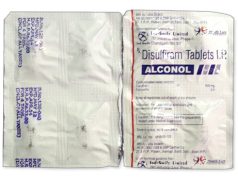
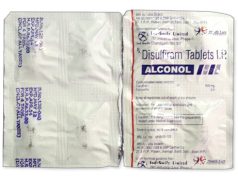
Disulfiram creates an unpleasant reaction when alcohol is consumed, acting as a deterrent. This medication is suitable for highly motivated individuals committed to abstinence. Benzodiazepines such as diazepam and chlordiazepoxide are prescribed during detoxification to manage withdrawal symptoms safely and prevent seizures.
Cognitive Behavioural Therapy addresses negative thought patterns and develops coping strategies. Motivational Interviewing helps individuals resolve ambivalence about changing drinking behaviours. Group therapy and support groups like Alcoholics Anonymous provide community support and shared experiences. Family therapy addresses relationship dynamics and involves loved ones in recovery.
Inpatient rehabilitation programs provide intensive, structured treatment in hospital or residential settings. These programs typically last 28 to 90 days and include medical supervision, therapy, and holistic approaches. Outpatient programs allow individuals to maintain employment and family responsibilities whilst receiving treatment. Day programs offer intensive support without overnight stays.
Detoxification is the first step in treating alcoholism, involving the removal of alcohol from the body. Medical supervision is essential as alcohol withdrawal can be dangerous and potentially life-threatening. The detoxification process typically takes five to seven days, though some symptoms may persist longer.
Mild withdrawal symptoms include anxiety, tremors, headaches, and sweating, usually beginning 6 to 12 hours after the last drink. Moderate symptoms appear within 12 to 24 hours and include hallucinations, increased heart rate, and confusion. Severe withdrawal, including seizures and delirium tremens, can occur 12 to 48 hours after cessation and requires immediate medical attention.
Medical professionals administer benzodiazepines to manage withdrawal safely, prevent seizures, and reduce discomfort. Thiamine and other B vitamins are supplemented to prevent nutritional deficiencies. Supportive care including hydration, proper nutrition, and monitoring of vital signs supports the body through this critical period. Nutritional rehabilitation addresses deficiencies caused by chronic alcohol use.
After completing initial treatment, ongoing support is vital for long-term recovery. Regular counselling sessions with addiction specialists help individuals maintain sobriety and develop healthy coping mechanisms. Psychiatrists can address co-occurring mental health conditions. General practitioners provide medical monitoring and coordination of care. Nurses and health workers offer practical support and education about relapse prevention.
Several excellent support services are available across Australia to assist individuals and families affected by alcoholism:
Developing a relapse prevention plan identifies triggers and establishes coping strategies. Regular attendance at support meetings reinforces commitment to recovery. Maintaining physical health through exercise and proper nutrition supports mental wellbeing. Building new social connections and hobbies reduces dependence on alcohol-related activities. Stress management techniques including meditation and mindfulness help manage emotions without alcohol. Regular check-ins with healthcare providers ensure ongoing progress and early intervention if struggles arise.
Successful recovery requires significant lifestyle modifications. Avoiding situations where alcohol is prominent helps during early recovery. Developing new routines replaces old patterns associated with drinking. Practising healthy communication skills strengthens relationships damaged by alcoholism. Setting realistic goals provides direction and motivation for the recovery journey.
Regular physical activity improves mood, reduces anxiety, and enhances overall wellbeing. A balanced diet rich in nutrients repairs damage caused by chronic alcohol use. Adequate sleep promotes emotional stability and cognitive function. Mindfulness and meditation practices reduce stress and increase self-awareness. Addressing underlying mental health conditions prevents self-medication through alcohol. Maintaining social connections combats isolation and provides emotional support.
Recovery is an ongoing process requiring commitment and patience. Celebrating milestones reinforces positive progress. Continuing therapy or counselling maintains psychological health. Staying connected to support communities provides encouragement and accountability. Many people find purpose in helping others struggling with alcoholism. With appropriate treatment, medical support, and lifestyle changes, recovery from alcoholism is absolutely achievable, and individuals can rebuild fulfilling, healthy lives.