COVID-19 is a respiratory illness caused by the SARS-CoV-2 virus that emerged in late 2019. Vaccination remains the most effective way to protect yourself and your community from severe illness. Australia's vaccination programme has successfully administered millions of doses to eligible residents.
Several vaccines are currently approved for use in Australia, including Pfizer-BioNTech, Moderna, AstraZeneca, and Novavax. Each vaccine has been rigorously tested and approved by the Therapeutic Goods Administration (TGA). Most Australians can choose between these options in consultation with their healthcare provider.
Booster vaccinations are recommended for additional protection against newer COVID-19 variants. Your pharmacist can advise on whether you're eligible for a booster and which vaccine type is most suitable for you based on your age and health status.
Several antiviral medications have been approved in Australia to help treat COVID-19, particularly for those at higher risk of severe illness. These medications work best when taken early in the course of the illness.
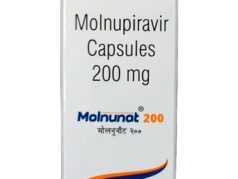
Paxlovid (nirmatrelvir/ritonavir) is an oral antiviral medication available through prescription that can reduce the severity of COVID-19 symptoms. Another option is Lagevrio (molnupiravir), which is also available for eligible patients. These medications are most effective when started within five days of symptom onset.
Not everyone is eligible for antiviral treatment, as these medications are reserved for people at higher risk of developing severe COVID-19. This includes:
Your doctor or pharmacist can determine your eligibility and discuss the best treatment options for your circumstances.
If you've tested positive for COVID-19, most people can safely recover at home with supportive care. Managing symptoms effectively helps you feel more comfortable during your recovery period.
Paracetamol and ibuprofen are available at Australian pharmacies to help reduce fever and relieve pain. These medications can make you more comfortable while your body fights the infection. Always follow the recommended dosage on the packaging or as advised by your pharmacist.
Stay hydrated by drinking plenty of water, warm tea, or electrolyte solutions. Rest is essential for recovery, so allow yourself adequate sleep and relaxation. Using a humidifier or breathing steam from a hot shower can help ease congestion and respiratory discomfort associated with COVID-19.
If you experience severe shortness of breath, persistent chest pain, confusion, or loss of consciousness, seek emergency medical attention immediately. Your pharmacist can also provide guidance on whether you need to see a doctor for your symptoms.
Rapid antigen tests (RATs) are widely available at Australian pharmacies for home testing. These tests provide quick results to help you determine if you have COVID-19 and need to take appropriate precautions.
RATs are simple to use at home and provide results within fifteen to thirty minutes. Follow the instructions carefully for accurate results. If you test positive, you should follow current isolation guidelines and notify close contacts.
Current Australian health guidelines recommend staying home when unwell and avoiding contact with others, particularly vulnerable individuals. This helps prevent transmission to those at higher risk of serious illness. Most people with mild symptoms can return to normal activities after symptoms resolve and they feel well enough.
Some workplaces and educational institutions may have specific testing requirements. Check with your employer or educational institution regarding their policies. Your pharmacist can explain current testing protocols and help you access testing if needed.
Some people experience ongoing symptoms after their initial COVID-19 infection, a condition known as Long COVID or post-COVID syndrome. These persistent symptoms can include fatigue, shortness of breath, brain fog, and other health concerns.
If symptoms persist for more than four weeks after initial infection, consult your doctor for proper assessment. Common Long COVID symptoms include extreme tiredness, difficulty concentrating, headaches, and chest discomfort. Your healthcare provider can help determine if your symptoms are related to COVID-19.
Pacing yourself and gradually increasing activity as tolerated is important for recovery. Your doctor may refer you to specialists or rehabilitation services. Some Australian pharmacies can provide advice on managing specific symptoms and recommend supportive treatments.
Several Australian health organisations provide information and support for people with Long COVID. Your GP can provide referrals to appropriate services and specialists if needed. Pharmacists can also answer questions about managing symptoms and finding appropriate healthcare resources.
Australian pharmacists are qualified healthcare professionals who can provide valuable guidance on COVID-19 prevention, testing, vaccination, and treatment options. They're easily accessible and can answer your questions without requiring an appointment.
Many community pharmacies offer COVID-19 vaccinations and boosters. Pharmacists can administer vaccines, discuss side effects, and provide information about which vaccine might be most suitable for you. They can also check your vaccination history and advise on eligibility for boosters.
If you're taking other medications, inform your pharmacist before starting COVID-19 treatments. They can check for potential interactions and ensure any medication you take is safe for you. Pharmacists have access to comprehensive medication databases to provide personalised advice.
Your pharmacist can recommend appropriate over-the-counter products for symptom management, explain testing procedures, and provide current information on COVID-19. They can also advise on prevention strategies and help you understand current health guidelines. Regular consultation with your local pharmacy ensures you have reliable, up-to-date information about COVID-19 management and protection.