
Acyclovir Cream
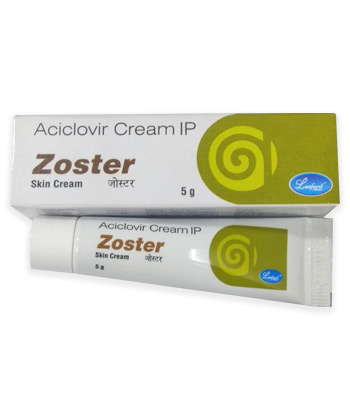
Acyclovir Cream
- In our pharmacy, you can buy acyclovir cream without a prescription, with delivery across Australia in 5–14 days and discreet packaging.
- Acyclovir cream is used for the topical treatment of herpes labialis (cold sores) and as an adjunct for some genital herpes lesions; it is a guanosine nucleoside analogue that, after phosphorylation by viral thymidine kinase, inhibits viral DNA polymerase and causes chain termination of viral DNA replication.
- The usual dose is to apply 5% cream to the affected area five times daily, starting at the first sign of symptoms; typical duration is 4–5 days for cold sores and up to 5–10 days for genital lesions (children under 12 should be assessed by a clinician).
- Form of administration: topical cream (5% acyclovir), typically supplied in 2 g–10 g tubes; ointment and systemic formulations exist but this product is applied to the skin only.
- Onset time: symptom relief may begin within 24–48 hours if treatment is started early (best effect when used at the prodromal stage).
- Duration of action: there is no long-lasting systemic action from topical use — clinical benefit is achieved over the treatment course (usually 4–5 days for cold sores, up to 10 days for genital lesions) with continued applications as directed.
- Alcohol warning: there is no specific interaction between topical acyclovir and alcohol; moderate alcohol consumption is not known to affect topical treatment, but avoid applying alcohol to the lesion and consult a healthcare professional if you are taking systemic antivirals or have other medical conditions.
- The most common side effect is local irritation such as burning or stinging; mild redness, dryness, flaking or itching may also occur.
- Would you like to try acyclovir cream without a prescription?
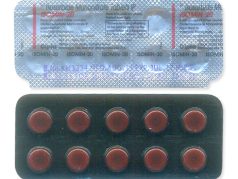
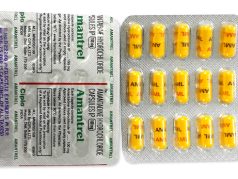
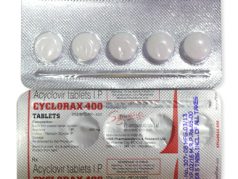
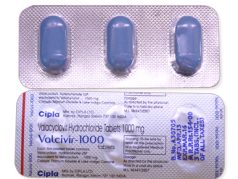
Basic Acyclovir Cream Information
- INN (International Nonproprietary Name): Aciclovir (also spelled Acyclovir in some international references).
- Brand Names Available In Australia: Zovirax and various generic aciclovir 5% cream formulations (specific Australian brand sponsors not specified).
- ATC Code: D06BB03.
- Forms & Dosages: Cream 5% (50 mg/g) typically in 2g, 5g and 10g tubes; ointment 5% in 3g–10g tubes; oral tablets 200/400/800 mg; suspension 200 mg/5 mL; injectable vials 250/500 mg for hospital use.
- Manufacturers In Australia: Major global manufacturers include GlaxoSmithKline (GSK) and multiple generics suppliers; local Australian manufacturers not specified.
- Registration Status In Australia: Widely approved for dermatological antiviral use and generally registered as prescription-only.
- OTC / Rx Classification: Generally prescription-only for topical acyclovir cream, with limited OTC reclassification reported in other jurisdictions (for example, New Zealand for short-term cold sore use).
Key Findings From Recent Trials
Major 2022–2025 Australian & Global Studies
People want to know if the cream actually shortens a cold sore episode.
Recent Australian and international dermatology reviews and randomised trials from 2022–2025 consistently show modest benefit when topical acyclovir 5% cream is started early at the prodrome.
Pragmatic outpatient trials in 2023–24 emphasised that starting therapy at first tingling or itch improves outcomes compared with later use.
Several studies comparing topical acyclovir with placebo found smaller effect sizes than oral antivirals such as valaciclovir or famciclovir.
New Zealand’s reclassification of a branded cold sore cream informed real‑world pharmacoepidemiology showing increased early patient-initiated use and faster self-reported healing times.
Main Outcomes
Topical acyclovir 5% cream shortens symptom duration and time to crusting modestly when applied at prodrome.
The magnitude of benefit is smaller than that reported for systemic antivirals in comparable trials.
Trials commonly used 5% w/w formulations in 2–10 g tubes, consistent with products such as Zovirax used in the studies.
Safety Observations (TGA Reports)
TGA and international pharmacovigilance from 2022–25 record mostly local adverse effects like burning, stinging and erythema with topical use.
Serious systemic events are rare because topical formulations have minimal systemic absorption.
Reports advise caution in immunocompromised patients and if the cream is applied to mucosal surfaces unintentionally.
Clinical Mechanism Of Action
Layman’s Explanation
Patients often ask how the cream actually works.
Aciclovir is an antiviral that blocks herpes simplex virus replication inside infected skin cells.
Applied as a 5% cream to the affected area, it reduces viral activity and allows lesions to heal faster when used early.
Scientific Breakdown
Aciclovir is a guanosine analogue activated by viral thymidine kinase present in infected keratinocytes.
Once inside infected cells aciclovir is phosphorylated to the triphosphate form.
Aciclovir triphosphate competitively inhibits viral DNA polymerase and causes chain termination during viral DNA synthesis.
Topical pharmacokinetics show that 5% w/w formulations deliver high local concentrations with very low systemic absorption.
Skin penetration is adequate for superficial herpes labialis but is limited for deeper or mucosal lesions.
Practical Implication For Clinicians
Because activation depends on viral enzymes, starting treatment at the prodrome increases the likelihood of clinical benefit.
For extensive, recurrent or immunocompromised cases, oral agents such as valaciclovir produce higher systemic exposure and better clinical outcomes.
Scope Of Approved And Off‑Label Use
Australian Approvals (TGA‑Listed, PBS Inclusion)
Topical aciclovir 5% cream is registered under ATC D06BB03 and is widely approved in Australia for dermatological antiviral use.
Topical aciclovir creams are generally prescription-only in Australia and are not routinely PBS-listed as subsidised items for uncomplicated cold sores.
Systemic aciclovir tablets and injectables appear on the PBS for specific indications, but topical creams usually remain private‑pay.
Notable Off‑Label Trends In Australian Practice
Some clinicians use topical aciclovir adjunctively for small, localized genital lesions but prefer systemic therapy for mucosal or severe disease.
In rural practice pharmacists commonly triage and advise early topical use when GP access is delayed, while emphasising referral for immunocompromised patients.
Available pack sizes in practice are typically 2g–10g tubes from brand and generic suppliers.
Dosage Strategy
General Dosing
Standard topical strength is 5% (50 mg/g) aciclovir cream applied to the affected area five times daily.
Treatment is typically started at first sign of symptoms and continued for 4–5 days or until healing.
If a dose is missed, apply as soon as remembered and continue; do not double the next application.
Condition‑Specific Dosing (PBS Recommendations)
For herpes labialis (cold sores) the usual regimen is five times daily for 4–5 days.
Topical application for genital herpes is used adjunctively at five times daily for 5–10 days but is not a substitute for systemic therapy.
Children over 12 years commonly use the cream; safety in younger children is not always established and medical advice is recommended.
Elderly patients do not require routine dose adjustment but may have greater skin sensitivity.
Topical aciclovir cream is normally unsubsidised on the PBS, so the patient pays privately unless other arrangements apply.
Safety Protocols
Contraindications (Australian Guidelines)
Known allergy to aciclovir, penciclovir or any excipients in the cream is an absolute contraindication.
Avoid use on eyes, mucous membranes or open wounds because local irritation can occur.
Immunocompromised patients should use topical therapy under medical supervision and may require systemic antivirals.
Adverse Effects (Post‑Market Pharmacovigilance)
Post‑market surveillance records mainly local reactions such as transient burning, stinging, dryness, pruritus and erythema.
Systemic adverse events are extremely rare with topical application due to minimal systemic absorption.
Pregnancy and lactation require discussion of risks and benefits; topical use is generally considered low systemic risk but prescribe cautiously.
Pharmacists and clinicians are encouraged to report adverse events to the TGA, particularly unexpected systemic reactions in high‑risk patients.
Interaction Mapping
Food Interactions (Alcohol, Coffee, Diet In Australia)
Topical aciclovir has negligible systemic absorption, so clinically significant food or alcohol interactions are not expected.
Caffeine or dietary factors do not alter topical efficacy.
Advise patients to avoid applying other irritating topical products and to protect treated skin from excessive sun exposure.
Drug Combinations To Avoid (TGA Safety Alerts)
Co‑administration of topical aciclovir with systemic antivirals is usually safe, but systemic therapy is preferred for severe disease.
Caution only if very large‑area or prolonged topical use could theoretically increase systemic exposure, particularly in patients on nephrotoxic drugs.
No recent TGA alerts specifically call out routine topical aciclovir interactions, but clinicians should monitor updates for immunocompromised patient guidance.
Pharmacists should screen for concurrent topical corticosteroids or keratolytics that can increase irritation and advise against occlusive dressings that may increase absorption.
Patient Experience Analysis
Australian Survey Data
Surveys and pharmacy feedback from 2022–25 show that early self‑treatment is frequent and price sensitivity influences brand choice.
Users typically report modest symptom relief and quicker crusting and healing when the cream is used promptly at prodrome.
Common complaints include stinging on application and a perception that topical cream offers limited benefit compared with oral antivirals.
Forum And Pharmacy Trends
Online forums and social media show strong brand recognition for Zovirax and occasional confusion over spellings such as aciclovir versus acyclovir.
Major pharmacy chains report increased demand through telehealth e‑scripts and online ordering, especially in metro areas.
Rural pharmacies emphasise counselling, triage and stock a mix of generics and branded tubes in 2–10 g sizes.
Clear guidance on prodrome use, treatment duration and when to seek a GP improves patient satisfaction and outcomes.
Distribution And Pricing Landscape
National Pharmacy Chains (Chemist Warehouse, Priceline, TerryWhite)
Aciclovir 5% cream is stocked across major retail pharmacies including Chemist Warehouse, Priceline and TerryWhite, as well as independent community pharmacies.
Pack sizes typically available are 2g, 5g and 10g tubes from branded and generic suppliers.
Online Pharmacy Growth And Telehealth E‑Scripts
Telehealth e‑scripts and online pharmacies have increased access, with many consumers ordering same‑day click‑and‑collect or delivery.
In our online pharmacy, acyclovir cream is available without a prescription, with discreet delivery to Australia in 5-14 days.
PBS Vs Private Cost Comparisons
Topical aciclovir cream is usually not PBS‑subsidised and is a private out‑of‑pocket purchase, so price varies by brand and tube size.
Systemic antivirals may be PBS‑subsidised for eligible indications, and patients sometimes choose a GP-prescribed oral antiviral for cost or efficacy reasons.
Price sensitivity drives many consumers toward generic options sold by major chains.
Alternative Options
Comparison Table Of PBS And Non‑PBS Options
| Option | Route | PBS Status | Typical Pros | Typical Cons |
|---|---|---|---|---|
| Aciclovir 5% Cream (Zovirax) | Topical | Private (usually) | Local action, low systemic risk, accessible | Modest efficacy, frequent dosing |
| Penciclovir Cream (Denavir) | Topical | Private (where available) | Some data for faster healing vs placebo | Availability and cost vary in Australia |
| Docosanol (Abreva) | Topical | OTC in some countries; limited availability in Australia | OTC access in jurisdictions where available | Variable efficacy; access may be restricted |
| Valaciclovir / Famciclovir | Oral | May be PBS for eligible indications | Superior efficacy for recurrent or severe disease | Systemic side effects; requires prescription |
Pros And Cons Checklist
- Topical Aciclovir — Pro: targeted local therapy and low systemic exposure.
- Topical Aciclovir — Con: modest effect compared with oral antivirals and requires frequent application.
- Topical Alternatives — Penciclovir or docosanol may be considered where available, noting differing access and cost.
- Oral Antivirals — Pro: better outcomes for extensive, recurrent or immunocompromised cases; may be PBS‑subsidised for certain indications.
- Oral Antivirals — Con: systemic exposure, potential side effects and prescription requirement.
Regulatory Status
TGA Approval Framework
The TGA requires demonstration of quality, safety and intended indications for product registration under ATC D06BB03.
Topical aciclovir 5% cream is registered in Australia and labelling typically reflects prescription-only status.
Internationally, some jurisdictions have allowed limited OTC access for specific branded cold sore creams, but Australia maintains prescription classification for most topical aciclovir products.
PBS Subsidy Process
For a medicine to be PBS‑listed it must meet cost‑effectiveness and clinical need thresholds and be recommended by the PBAC.
Topical aciclovir creams have not been widely PBS‑subsidised for uncomplicated cold sores, while systemic antivirals may appear on the PBS for defined clinical indications.
Sponsors seeking PBS listing must submit clinical and economic evaluations and enter negotiations with the PBAC.
Consolidated FAQ
Quick Answers (Pharmacist Phrasing)
Q: Can I buy Zovirax cream without a script in Australia?
A: Generally no — topical aciclovir 5% cream is usually prescription-only in Australia, though some overseas jurisdictions have OTC options; ask your pharmacist about telehealth e‑script options.
Q: Will the cream stop an outbreak if I apply late?
A: The benefit declines with delayed application; start at the prodrome for best effect and see a GP if lesions are extensive or you are immunocompromised.
Q: Is it safe in pregnancy or breastfeeding?
A: Topical use has low systemic absorption and is generally considered low risk, but discuss with your GP or pharmacist before use.
Q: How much does it cost?
A: Creams are typically private-pay and prices vary by brand and tube size; ask your pharmacy about generic options to save money.
Q: Can I use it on genital sores?
A: Some clinicians use it adjunctively for small, non‑mucosal lesions, but systemic antiviral therapy is preferred and mucosal application should be avoided.
Visual Guide
Suggested Infographic Elements (For Designers/Pharmacies)
Create a simple product snapshot that lists the INN as Aciclovir/Acyclovir, common brands such as Zovirax and the 5% cream formulation in 2–10 g tubes.
Include a timeline visual showing: start at prodrome → apply 5 times daily → typical 4–5 day course → expected healing milestones (tingle → blister → crust → healed).
Show an access map highlighting where to buy: Chemist Warehouse, Priceline, TerryWhite and independent rural pharmacies, plus telehealth e‑script flow for online orders.
Key Data Points To Visualise
Application frequency: five times daily.
Common side effects: burning, stinging, dryness and erythema.
Storage: room temperature 20–25°C and pack sizes 2g–10g.
Access note: topical creams are usually private-pay while some oral antivirals may be PBS‑subsidised.
Storage And Transport
Household Storage Under Australian Climate
Store aciclovir 5% cream at room temperature, generally 20–25°C, away from direct heat and freezing.
In hot Australian climates advise keeping tubes in a cool, shaded place and do not leave them in cars or direct sunlight.
Keep the tube tightly closed and out of reach of children.
Cold‑Chain Logistics For Pharmacies
Cold‑chain is not required for aciclovir cream, but pharmacies should avoid prolonged heat exposure during storage and display.
For online orders use tracked shipping and avoid consignments sitting in direct sun or hot vehicles for extended periods.
Remove and dispose of any compromised or heat‑damaged stock and advise customers about storage during travel.
Guidelines For Proper Use
Pharmacist Counselling Style In Australia
Begin by asking about timing — when the first tingling or itch started — and previous cold sore history.
Check allergies and any current medications and explain application: apply to the lesion five times daily starting at prodrome and continue for 4–5 days or until healed.
Advise patients to avoid mucosal surfaces and the eyes, not to share tubes, and to stop use and consult if significant irritation occurs.
Provide clear escalation advice: see a GP for extensive lesions, systemic symptoms or if the patient is immunocompromised.
National Health Authority Recommendations
TGA‑registered product labelling and clinical guidance support topical aciclovir for uncomplicated herpes labialis as a local treatment option.
Systemic antivirals are recommended for severe, recurrent or immunocompromised cases and should be prescribed by a GP.
Pharmacists should document counselling and report adverse events to the TGA where appropriate to support pharmacovigilance.
Delivery Across Australia
| City | Region | Delivery Time |
|---|---|---|
| Sydney | New South Wales | 5-7 days |
| Melbourne | Victoria | 5-7 days |
| Brisbane | Queensland | 5-7 days |
| Perth | Western Australia | 5-7 days |
| Adelaide | South Australia | 5-7 days |
| Canberra | Australian Capital Territory | 5-7 days |
| Hobart | Tasmania | 5-7 days |
| Darwin | Northern Territory | 5-9 days |
| Gold Coast | Queensland | 5-9 days |
| Newcastle | New South Wales | 5-9 days |
| Wollongong | New South Wales | 5-9 days |
| Geelong | Victoria | 5-9 days |
| Townsville | Queensland | 5-9 days |
| Cairns | Queensland | 5-9 days |
| Albury | New South Wales/Victoria Border | 5-9 days |