Amitriptyline
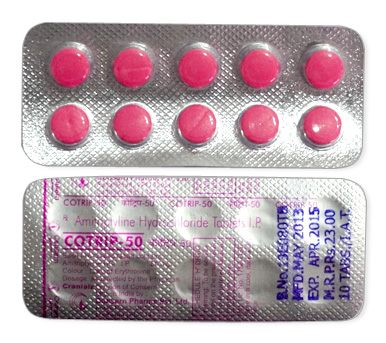
Amitriptyline
- You can buy amitriptyline in many countries only with a prescription, as it is a prescription-only medicine (Rx) in Australia and most other regions. It is available as a generic and under brand names such as Endep, Sarotex, and Elavil.
- Amitriptyline is used to treat depression, neuropathic pain, migraine prevention, fibromyalgia, and some other off-label conditions. It is a tricyclic antidepressant that works by inhibiting the reuptake of serotonin and noradrenaline in the brain, helping to improve mood and reduce pain signalling.
- The usual dose depends on the condition: for depression, 25–50 mg daily to start, increasing to 75–150 mg/day; for pain or migraine, 10–25 mg at night, usually up to 25–75 mg/day. Older adults generally start at 10–25 mg nightly with slower titration.
- The form of administration is usually a tablet; it is also available in oral drops in some markets, and prolonged-release tablets in certain brands. Rare injectable forms exist but are uncommon in routine use.
- Amitriptyline does not usually work immediately. Sedative effects may be noticed within a few hours to the first night, but antidepressant and pain-relieving benefits typically begin after several days to 2 weeks, sometimes longer.
- The duration of action is around 24 hours for once-daily dosing in many patients, although the full therapeutic effect for depression may take 4–8 weeks. For pain and migraine prevention, it is often taken long term if benefit continues.
- Avoid alcohol while taking amitriptyline, as alcohol can increase drowsiness, dizziness, impaired coordination, and the risk of dangerous side effects.
- The most common side effects are drowsiness, dry mouth, constipation, dizziness, blurred vision, weight gain, and orthostatic hypotension. Some people may also experience urinary retention, palpitations, sweating, or sexual dysfunction.
- Would you like to try amitriptyline without a prescription?




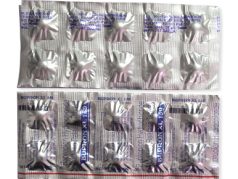
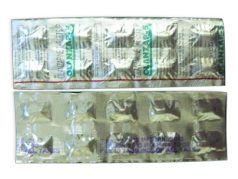
Basic Amitriptyline Information
- INN (International Nonproprietary Name): Amitriptyline
- Brand names available in Australia: Endep, Sarotex
- ATC Code: N06AA09
- Forms & dosages: Tablets 10 mg, 25 mg, 50 mg, 75 mg, 100 mg; oral drops 25 mg/1 mL in some markets; prolonged-release tablets 50 mg and 75 mg in some markets
- Manufacturers in Australia: Alphapharm, Lundbeck
- Registration status in Australia: Registered prescription medicine under TGA oversight
- OTC / Rx classification: Prescription Only (Rx) in nearly all territories
Amitriptyline In Australia: What The Latest Evidence Means For Patients
Thinking about amitriptyline for nerve pain, migraine, sleep, or depression?
You are not alone.
In Australian pharmacies, it is still one of the medicines people ask about after a long run of poor sleep, tingling pain, or “nothing else has helped”.
That is also why it still matters in 2022–2025 practice.
The evidence has not suddenly made amitriptyline a new medicine.
Instead, recent trials and real-world practice have sharpened where it fits best, and where it causes more trouble than benefit.
As a first-generation tricyclic antidepressant, amitriptyline is still used for selected depression cases, but its bigger role in Australia is low-dose treatment for neuropathic pain and migraine prevention.
For many people, the low-dose night-time effect is exactly the point.
For others, sedation, dry mouth, constipation, dizziness, and fall risk become the reason to stop.
That balance is why pharmacists spend so much time on counselling, especially when a script is being collected with a Friday-evening sense of urgency.
Major 2022–2025 Australian & Global Studies
What has changed in the latest studies?
Mostly the way clinicians think about dose, tolerability, and deprescribing rather than dramatic new efficacy wins.
International work from 2022 to 2025 has continued to support a niche role for amitriptyline in neuropathic pain, migraine prophylaxis, and certain depression cases where newer antidepressants have not worked well.
The consistent pattern is simple.
Lower doses often provide the useful benefit for pain and sleep, while higher doses increase anticholinergic burden and the chance of adverse effects.
That pattern matters a lot in Australia, where people often start with a small dose of Endep Australia products such as 10 mg or 25 mg tablets.
General practice and pain clinics have also leaned more heavily into “start low, go slow”, especially for older adults.
When patients say they “felt groggy on the tablet”, the dose is often the first thing to review.
Main Outcomes
Recent practice trends support three practical points.
First, amitriptyline remains useful when the aim is night-time dosing plus pain relief.
Second, lower doses may be enough for neuropathic pain, chronic pain, and migraine prevention.
Third, if the patient is pushed into higher antidepressant doses, the side-effect load rises quickly.
In real life, that means a person taking Amitriptyline for nerve pain Australia may do well at 10 mg to 25 mg at bedtime, while depression treatment usually needs a higher and more carefully monitored regimen.
The medicine is still prescription-only in Australia, and its ATC code is N06AA09.
It is also still a mature off-patent generic, so access is broad and cost is often reasonable compared with newer options.
Safety Observations (TGA Reports)
TGA pharmacovigilance continues to reflect the known risks rather than new surprises.
The main concerns remain sedation, postural hypotension, falls, cardiac conduction problems, and toxicity in overdose.
Those risks are well recognised with amitriptyline hydrochloride because it is a tricyclic antidepressant with a higher anticholinergic burden than many alternatives.
In older adults, the fall risk is the big practical issue.
In younger adults, the main problem is often daytime drowsiness, dry mouth, or constipation.
In any patient with suicidal risk, the overdose danger needs serious attention because tricyclic antidepressants are highly toxic in overdose.
The safest way to think about amitriptyline is not “old drug, therefore simple”.
It is “old drug, therefore well understood, but still needs respect”.
Layman’s Explanation
How does amitriptyline actually help?
Think of it as turning the volume down on pain messages while also lifting mood in the brain and spinal cord.
It can help because it increases the availability of serotonin and noradrenaline.
That is why one tablet can be useful for both pain and depression, depending on the dose and the reason it was prescribed.
For many patients, the “bonus” effect is sleepiness at night.
That is why some people with pain-related insomnia feel it works better than a medicine that is purely activating.
Amitriptyline antidepressant use is only part of the story in Australian practice.
For nerve pain and migraine, the low-dose bedtime approach is often the main use case.
Scientific Breakdown
Amitriptyline mechanism of action is based mainly on non-selective monoamine reuptake inhibition.
In plain terms, it blocks the reuptake of serotonin and noradrenaline.
That can improve mood and modulate pain pathways.
It also blocks histamine, muscarinic, and alpha-adrenergic receptors.
Those off-target actions explain the predictable side effects.
Drowsiness comes from histamine blockade.
Dry mouth, constipation, blurred vision, and urinary retention come from muscarinic blockade.
Orthostatic hypotension is linked to alpha-adrenergic blockade.
This is also why Amitriptyline hydrochloride is often more sedating than SSRIs or many newer options.
Scientific Breakdown
The key takeaway for patients is that the medicine’s benefits and side effects are tied together.
The same receptor actions that can make sleep easier can also make the person feel sluggish the next morning.
That is why community pharmacists often recommend night-time dosing and a careful review after the first few weeks.
Australian brand names include Endep and Sarotex, and both are familiar to prescribers and pharmacists.
Endep Australia is especially well known because it has been used for decades in both depression and pain care.
Australian Approvals And Off-Label Use
What is actually approved, and what is commonly used off-label?
In Australia, amitriptyline is a registered prescription medicine.
It is commonly used for depression, and it is also widely used off-label for neuropathic pain, migraine prophylaxis, insomnia related to pain, and some functional pain syndromes.
That PBS context matters because many Australians compare out-of-pocket costs before starting or continuing long-term treatment.
When a medicine is cheap and familiar, people are more likely to stay on it if it is working.
That is one reason amitriptyline remains a practical option in general practice, especially where access to multiple specialist therapies is limited.
Notable Off-Label Trends In Australian Practice
Low-dose use for nerve pain is especially common in general practice, pain clinics, and rural settings.
Pharmacists often see patients taking 10 mg or 25 mg at night and asking whether they should expect to feel sleepy.
The answer is usually yes.
That sedation can be useful when pain is keeping someone awake, but it can also be the reason they stop the medicine after a few nights.
In many cases, the first question is whether the timing or dose can be adjusted before abandoning treatment altogether.
One important access point is that our online pharmacy is available without a prescription, with discreet delivery to Australia in 5-14 days, which can be helpful for patients comparing options after telehealth review.
Use Patterns
Typical adult dose for neuropathic pain is 10 mg to 25 mg at bedtime, with a usual range of 25 mg to 75 mg per day.
For migraine prevention, the starting dose is also usually 10 mg to 25 mg at bedtime, with cautious increases if needed.
For depression, doses are generally higher and need closer monitoring.
Children are rarely treated and only under specialist supervision.
Older adults usually need the lowest practical starting dose.
That approach reflects real-world pharmacy counselling across Australia, particularly when a patient is worried about falls or morning grogginess.
General Dosing
How is amitriptyline usually started?
The usual approach is start low and go slow.
For depression, adults often begin at 25 mg to 50 mg per day, either at night or in divided doses, then increase as tolerated to 75 mg to 150 mg per day.
For pain or migraine, clinicians commonly begin at 10 mg to 25 mg nightly.
The dose is only increased if the benefit is not enough and side effects remain manageable.
Tablet strengths commonly include 10 mg, 25 mg, 50 mg, 75 mg, and 100 mg.
In Australia, Endep is commonly seen in 10 mg and 25 mg tablets.
Condition-Specific Dosing
For neuropathic pain and chronic pain, the lower night-time range is often enough.
For migraine prophylaxis, the same low-dose strategy is common.
For fibromyalgia and other off-label pain syndromes, similar dosing is used in practice.
Depression usually needs a stronger dose and a longer review period.
That is why patients should not compare a pain dose with a depression dose and assume they are interchangeable.
Amitriptyline dosage must always match the indication, the patient’s age, and the person’s risk profile.
Population Adjustments
Older adults generally start at 10 mg to 25 mg at night, with slower titration and lower maximums because of falls and anticholinergic effects.
Liver impairment may require dose reduction or avoidance because the medicine is extensively metabolised in the liver.
Renal impairment usually does not require a routine dose change, but monitoring is still sensible.
Children are rarely treated, and only with specialist oversight.
Those adjustments are not just theory.
They are exactly the kind of practical decisions a pharmacist checks when reviewing a script at the counter.
Safety First
What are the main safety concerns?
Safety is the main limiter for amitriptyline use.
Absolute contraindications include hypersensitivity, recent myocardial infarction, and use with MAOIs without an adequate washout period.
Caution is needed in epilepsy, glaucoma, urinary retention, prostate enlargement, arrhythmias, conduction defects, and any patient at high suicide risk.
Because tricyclic antidepressants are dangerous in overdose, the question is not only “will it work?” but also “is it the safest choice for this person?”
Common Adverse Effects
The usual side effects are well known.
Sedation, dry mouth, constipation, blurred vision, dizziness, weight gain, and orthostatic hypotension are common.
Less common effects can include sexual dysfunction, palpitations, sweating, and tremors.
Patients often report that the medicine feels “heavy” at first.
Sometimes that settles.
Sometimes it does not, and the dose or the medicine itself needs to change.
Common Adverse Effects
In overdose, amitriptyline is dangerous and can cause serious arrhythmias, seizures, and CNS depression.
That is a medical emergency.
If overdose is suspected, urgent emergency care is needed for cardiac and airway support.
When stopping treatment, taper slowly rather than stopping abruptly.
That is especially important after longer-term use.
Food And Lifestyle Interactions
Can you take amitriptyline with alcohol or coffee?
Alcohol can worsen sedation and impair coordination, so it should generally be avoided or at least minimised.
Caffeine does not have a major direct interaction, but heavy intake may worsen palpitations or sleep disruption in some people.
Dietary advice is usually simple.
Take the medicine consistently, preferably at night, and avoid stacking it with other sedating products unless a clinician has checked the combination.
Important Drug Combinations To Avoid
Amitriptyline should not be combined with MAOIs.
It also needs caution with other serotonergic medicines, sedatives, antihistamines, opioids, and medicines that prolong QT or alter heart rhythm.
Pharmacists are central to screening these interactions, especially when people buy over-the-counter cold or sleep products alongside a prescription medicine.
Community pharmacy checks matter because prescription-only status does not prevent accidental duplication with OTC products.
Strong interaction screening is standard pharmacy practice in Australia.
What Patients Commonly Notice
Australian patients often describe a few familiar experiences.
Some like the night-time sedation because it helps them sleep through pain.
Some are surprised by a dry mouth on day one.
Some find the morning grogginess is too much, even at a low dose.
Those reactions often decide whether treatment continues.
Price sensitivity is also high in Australia, and PBS subsidy can strongly influence persistence.
Real-World Behaviour
People often ask how long it takes to work.
Pain trials usually need 2 to 4 weeks.
Depression benefit may take 4 to 8 weeks.
Patients also ask whether the dose can be reduced once they are better.
That is a sensible question, but any change should be guided by the prescriber because tapering is often needed.
In practice, Endep reviews Australia-wide often come down to a simple balance between benefit, sedation, and anticholinergic effects.
Australia’s Pharmacy Landscape
Where do Australians usually find amitriptyline?
Amitriptyline is widely stocked across Australian community pharmacies, including Chemist Warehouse, Priceline, and TerryWhite Chemmart.
Because it is a mature generic, supply is generally good.
That said, rural access can be more variable, so brand substitution or a short delay sometimes happens.
Urban pharmacies usually have more consistent stock.
The Australian brand Endep is produced by Alphapharm, and common pack strengths are 10 mg and 25 mg.
Telehealth And E-Scripts
Online access has improved with telehealth and electronic scripts.
That matters for repeat supply, for people living remotely, and for patients who want a discreet refill after a follow-up appointment.
PBS subsidy structure still matters because many people compare the co-payment with private prices before they start.
Our online pharmacy supports that convenience while keeping the counselling focus on safe use.
For many people, the decision is not just medicine choice.
It is also about access, timing, and whether they can keep treatment going without unnecessary hassle.
Alternative Medicines
What if amitriptyline is not tolerated?
Common alternatives include nortriptyline, imipramine, duloxetine, venlafaxine, gabapentin, and pregabalin depending on the indication.
For depression, SSRIs are often chosen first because they are generally better tolerated and safer in overdose.
For neuropathic pain, SNRIs and gabapentinoids may be considered.
The right choice depends on whether the main problem is mood, pain, sleep, or a mixture of all three.
Practical Comparison
Amitriptyline’s strengths are low cost, once-nightly dosing, and useful sedation for pain-related insomnia.
Its weaknesses are anticholinergic effects and cardiac toxicity risk.
Nortriptyline may be better tolerated for some patients.
SSRIs may suit depression better when sedation is unwanted.
SNRIs can be useful when pain and mood both need treatment.
There is no single winner for every patient.
The best medicine is the one that matches the problem and the person.
Practical Comparison
Amitriptyline is an off-patent generic and is widely available internationally under names such as Endep and Sarotex.
That wide availability is one reason it remains common in Australian prescribing.
The trade-off is that the medicine is not gentle for everyone, particularly older adults.
When the side effects are the price of relief, the question becomes whether that price is worth paying.
Regulatory Oversight In Australia
How is amitriptyline regulated?
Amitriptyline is a registered prescription medicine in Australia and is overseen by the TGA.
Because it has been on the market for a long time, the regulatory focus is on quality, labelling, pharmacovigilance, and correct prescribing rather than any new approval issue.
The ATC code is N06AA09.
It is prescription-only in nearly all territories, including Australia.
PBS And Prescribing
PBS listing means eligible patients can access subsidised supply when prescribed within PBS rules.
Pharmacists play a major role in confirming the dose, indication, brand substitution, and counselling about sedation and overdose risk.
That is especially important when the medicine is being used for pain rather than depression.
It is also important when older adults are being started on treatment and the risk of falls is high.
Frequently Asked Questions
Is amitriptyline still used in Australia?
Yes, amitriptyline is still used in Australia, especially for nerve pain, migraine prevention, and selected depression cases.
How long does it take to work?
Pain benefit usually takes 2 to 4 weeks, while mood benefit may take 4 to 8 weeks or longer.
Can I take it with alcohol?
Alcohol should generally be avoided or minimised because it can worsen sedation and coordination problems.
What if I miss a dose?
Take it when remembered unless the next dose is close, and do not double up.
Is it safe for older adults?
Older adults can use it only with caution because of falls, confusion, and anticholinergic effects.
Patient Questions We Hear Often
“Can I take it just at night?”
Usually yes, and for pain or migraine that is often the intended schedule.
“Will I feel sleepy the next day?”
Maybe, especially at first or if the dose is too high.
“Can I stop once the pain improves?”
Possibly, but tapering is usually safer than abrupt stopping.
“What if I am on other tablets?”
That is exactly when a pharmacist review matters most.
Delivery Across Australia
| City | Region | Delivery time |
|---|---|---|
| Sydney | New South Wales | 5-7 days |
| Melbourne | Victoria | 5-7 days |
| Brisbane | Queensland | 5-7 days |
| Perth | Western Australia | 5-7 days |
| Adelaide | South Australia | 5-7 days |
| Canberra | Australian Capital Territory | 5-7 days |
| Hobart | Tasmania | 5-7 days |
| Darwin | Northern Territory | 5-7 days |
| Gold Coast | Queensland | 5-7 days |
| Newcastle | New South Wales | 5-7 days |
| Wollongong | New South Wales | 5-7 days |
| Geelong | Victoria | 5-7 days |
| Townsville | Queensland | 5-9 days |
| Launceston | Tasmania | 5-9 days |
| Bendigo | Victoria | 5-9 days |
Storage And Transport
How should amitriptyline be stored at home?
Store it at room temperature, between 15 and 30 degrees Celsius, away from heat, moisture, and direct light.
In Australian homes, that means not leaving it in the car, the bathroom, or near a sunny window during summer.
Keep tablets in the original blister pack or bottle until use.
The medicine does not need cold-chain transport, but it still needs protection from humidity and heat.
Rural deliveries can face extra temperature exposure, so packaging integrity matters.
Safe Use In Daily Practice
Good counselling is practical and direct.
Take it at night.
Expect drowsiness.
Stand up slowly to reduce dizziness.
Avoid alcohol.
Report palpitations, confusion, urinary retention, or worsening mood.
Discuss safer use in older adults.
Increase doses gradually.
Taper rather than stopping abruptly.
Keep it stored safely away from children because overdose is dangerous.
High-Risk Situations
Extra caution is needed if the patient has cardiac disease, glaucoma, prostate symptoms, epilepsy, or suicidal thoughts.
Those situations are exactly where a pharmacist and prescriber need to be on the same page.
With amitriptyline, the best outcomes usually come from careful selection, clear dosing, and honest side-effect monitoring.
That is how a medicine with a long history still earns its place in modern Australian practice.