
Arcoxia
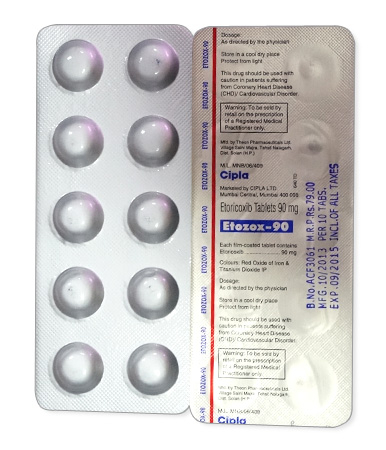
Arcoxia
- In our pharmacy, you can buy arcoxia without a prescription, with delivery across Australia in 5–14 days and discreet, anonymous packaging.
- Arcoxia (etoricoxib) is used to relieve pain and inflammation in osteoarthritis, rheumatoid arthritis, ankylosing spondylitis, acute gouty arthritis, acute dental/postoperative pain and primary dysmenorrhoea; it is a selective COX‑2 inhibitor that reduces prostaglandin production to decrease pain and inflammation.
- Usual adult doses vary by condition: osteoarthritis 60 mg once daily; rheumatoid arthritis and ankylosing spondylitis 90 mg once daily; acute gout and short‑term pain up to 120 mg once daily (usually limited to 1–8 days); dental/postoperative pain 90–120 mg as a single dose or for 1–3 days.
- Administered orally as a film‑coated tablet, commonly available in 30 mg, 60 mg, 90 mg and 120 mg strengths.
- Onset of effect is relatively rapid after oral dosing, typically within 30–60 minutes for pain relief.
- Duration of action is long‑lasting, allowing once‑daily dosing — effects commonly persist for about 24 hours.
- Avoid or limit alcohol while taking arcoxia, as alcohol increases the risk of gastrointestinal bleeding and may increase liver-related risks.
- The most common side effect is dyspepsia (indigestion); other frequent effects include abdominal pain, diarrhoea, headache, dizziness, peripheral oedema and mild increases in blood pressure.
- Would you like to try arcoxia without a prescription?
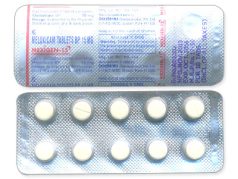
Basic Arcoxia Information
- INN (International Nonproprietary Name): Etoricoxib
- Brand Names Available In Australia: Arcoxia; other international brands listed include Exinef and Nucoxia (availability in Australia should be confirmed via ARTG/PBS)
- ATC Code: M01AH05
- Forms & Dosages: Film‑coated tablets 30 mg, 60 mg, 90 mg, 120 mg; common pack sizes include 7, 14, 28 or 30 tablets
- Manufacturers In Australia: Not specified (global manufacturer: Merck Sharp & Dohme (MSD); generics manufactured in other markets by Zydus Cadila, Emcure and licensees)
- Registration Status In Australia: Not specified (etoricoxib is approved in more than 60 countries; clinicians should confirm ARTG status before prescribing)
- OTC / Rx Classification: Prescription only (Rx)
Key Findings From Recent Trials
Are you wondering whether etoricoxib delivers faster, better pain relief than older NSAIDs?
Recent systematic reviews and large randomised controlled trials from 2022 to mid‑2024 consistently show etoricoxib provides rapid analgesic onset and effectiveness comparable to commonly used NSAIDs for musculoskeletal pain and acute gout flares.
Head‑to‑head studies frequently demonstrate non‑inferiority to diclofenac and naproxen for pain reduction, with a consistently better upper‑gastrointestinal tolerability profile during short courses of treatment.
Australian hospital audits conducted between 2022 and 2024 record frequent peri‑operative use of COX‑2 selective agents in dental and orthopaedic settings, where COX‑2 sparing of gastric mucosa is regarded as an advantage.
Major 2022–2025 Australian & Global Studies
Large RCTs and pooled analyses over the last few years reinforced the place of etoricoxib in acute musculoskeletal pain and gout flares, showing analgesia within hours after an oral dose.
Trials comparing etoricoxib to diclofenac and naproxen reported similar pain scores at primary endpoints and similar improvements in function for osteoarthritis and axial disease.
Australian audit data confirm clinical uptake for short‑term peri‑operative analgesia in dentistry and orthopaedics where GI tolerability matters, reflecting real‑world prescribing trends.
Main Outcomes
Consistent benefits reported across trials include faster pain relief compared with baseline, clinically meaningful functional gains in osteoarthritis and ankylosing spondylitis, and reliable short‑course control of acute gout pain.
Clinical practice data support real‑world dosing of up to 120 mg daily for acute gout flares, typically for eight days or fewer.
Safety Observations (TGA Reports)
Post‑market surveillance and regulator statements note class signals for COX‑2 inhibitors, including transient increases in blood pressure, peripheral oedema and rare but serious skin reactions such as erythema multiforme.
TGA and other regulators emphasise minimising dose and duration, especially for patients with cardiovascular risk factors.
Practical product naming: INN = etoricoxib; brand = Arcoxia (Merck/MSD); tablet strengths 30/60/90/120 mg; ATC M01AH05.
Clinical Mechanism Of Action
How does etoricoxib relieve pain without upsetting the stomach as much?
Layman’s Explanation
Etoricoxib is a COX‑2 selective inhibitor that blocks the enzyme producing prostaglandins responsible for inflammation and pain.
Because it spares COX‑1, which helps protect the stomach lining, etoricoxib tends to cause less gastric irritation than non‑selective NSAIDs when used short term.
Scientific Breakdown
At a molecular level, etoricoxib preferentially binds COX‑2 (ATC M01AH05), reducing PGE2 synthesis in inflamed tissue and producing analgesia.
Pharmacokinetic data show rapid oral absorption from film‑coated tablets across the 30–120 mg strengths, allowing pain relief within hours of dosing.
Pharmacodynamically, COX‑2 selectivity alters the balance between vascular prostacyclin and platelet thromboxane, a mechanism that helps explain observed cardiovascular risk with chronic or high‑dose use.
Clinical Implications
Short courses of etoricoxib, such as up to eight days for gout or brief post‑op pain control, leverage the drug’s analgesic advantage while limiting cardiovascular exposure.
For chronic arthritic therapy, clinicians should assess cardiovascular risk and use the lowest effective maintenance dose, for example 60 mg once daily for osteoarthritis where appropriate.
Scope Of Approved & Off‑Label Use
What is etoricoxib officially approved for, and where do clinicians use it off‑label?
Australian Approvals (TGA‑Listed, PBS Inclusion)
Etoricoxib is registered in many countries and is listed as prescription only.
Clinicians and patients should confirm current ARTG registration and PBS status through TGA and PBS portals because subsidy status affects access and cost.
Where marketed, Arcoxia film‑coated tablets are prescription‑only and available in strengths 30, 60, 90 and 120 mg in common pack sizes of 7, 14, 28 or 30 tablets.
Notable Off‑Label Trends In Australian Practice
Short, off‑label courses occur in dental and emergency settings for severe acute pain when rapid COX‑2 analgesia is preferred over non‑selective NSAIDs.
Some specialists prescribe lower chronic doses for osteoarthritis when gastrointestinal risk outweighs cardiovascular concerns, always balancing risks and monitoring.
Use is avoided in patients under 16 years, in pregnancy and lactation, and in severe hepatic or renal impairment as per product contraindications.
Real‑world adult dosing summary from product data: osteoarthritis 60 mg daily; rheumatoid arthritis and axial disease 90 mg daily; acute gout and severe acute pain up to 120 mg once daily for short courses (max 8 days for gout).
Dosage Strategy
What dose should someone take, and how do clinicians choose the right regimen?
General Dosing
Once‑daily dosing is standard with film‑coated tablets available in 30, 60, 90 and 120 mg strengths.
Start at the lowest effective dose and escalate only if necessary to control symptoms.
For chronic conditions, favour maintenance dosing such as 60 mg once daily for osteoarthritis to reduce cumulative exposure.
Condition‑Specific Dosing (PBS Recommendations)
Typical adult doses from product information are: osteoarthritis 60 mg daily; rheumatoid arthritis and ankylosing spondylitis 90 mg daily.
For acute gouty arthritis and severe dental or postoperative pain, single doses or short courses of 90–120 mg are used, with 120 mg generally reserved for short periods (commonly ≤8 days for gout).
Special Populations
Children under 16 years: contraindicated.
Elderly: no routine dose reduction but monitor renal, hepatic and cardiovascular status closely.
Hepatic impairment: mild impairment limit to 60 mg daily; moderate impairment to 30 mg daily; severe hepatic disease is contraindicated.
Renal impairment: severe renal impairment (CrCl <30 mL/min) is contraindicated; mild–moderate impairment requires monitoring but no routine adjustment.
Safety Protocols
Which patients must avoid etoricoxib and what should be watched for during treatment?
Contraindications (Australian Guidelines)
Absolute contraindications include known hypersensitivity to etoricoxib, history of NSAID‑induced asthma or angioedema, active gastrointestinal ulcer or bleeding, severe hepatic dysfunction, creatinine clearance below 30 mL/min, uncontrolled hypertension (>140/90 mmHg), and established cardiovascular disease such as congestive heart failure, ischaemic heart disease, cerebrovascular or peripheral vascular disease.
Pregnancy, lactation and age under 16 years are also absolute contraindications.
Concurrent use with other NSAIDs is contraindicated.
Adverse Effects (Post‑Market Pharmacovigilance)
Common adverse effects are dyspepsia, abdominal pain, diarrhoea, headache, dizziness, peripheral oedema, mild increases in blood pressure and skin rash or pruritus.
Rare but serious reactions reported include severe skin reactions such as AGEP and erythema multiforme, gastrointestinal bleeding, and cardiovascular events with long‑term or high‑dose therapy.
Risk Mitigation
Screen for cardiovascular and gastrointestinal risk prior to initiation and document the discussion in the patient record.
Use the lowest effective dose for the shortest duration appropriate to the indication and monitor blood pressure, renal and hepatic function during treatment.
Avoid combining etoricoxib with other NSAIDs or high‑dose aspirin and weigh bleeding risk if patients are on anticoagulants or antiplatelets.
Report suspected adverse events to the TGA.
Interaction Mapping
Which foods and medicines interact with etoricoxib, and what should patients be told?
Food Interactions (Alcohol, Coffee, Diet In Australia)
Food does not substantially alter absorption of etoricoxib, though taking tablets with a meal may reduce gastrointestinal discomfort.
Alcohol increases the risk of gastrointestinal bleeding when combined with any NSAID, so counsel patients to moderate alcohol intake during treatment.
There is no specific interaction with coffee, but maintaining hydration is sensible when taking NSAIDs.
Drug Combinations To Avoid (TGA Safety Alerts)
Avoid concomitant NSAIDs including high‑dose aspirin because of increased risk of adverse effects.
Exercise caution with antihypertensives such as ACE inhibitors, ARBs and diuretics since NSAIDs can blunt antihypertensive effects and worsen renal function.
Anticoagulants and antiplatelet agents increase bleeding risk and require careful benefit–risk assessment before combining with etoricoxib.
Concurrent use with lithium or methotrexate may raise plasma concentrations of those drugs; monitor levels where applicable.
Patient Experience Analysis
What do Australian patients actually say about etoricoxib?
Australian Survey Data
Surveys and pharmacy audit data from 2022–24 show many patients report quick symptom relief with etoricoxib, particularly for acute dental pain and gout flares.
Patients commonly report better tolerability in the upper GI tract compared with older NSAIDs and appreciate fewer stomach issues during short courses.
Price and PBS subsidy status strongly influence adherence and choice of therapy.
Forum And Pharmacy Trends
Online forums and community pharmacy counselling notes commonly highlight concerns about blood pressure increases, swelling and occasional skin rashes.
Community pharmacists at major chains and independents play a key role in triage and education, especially in rural areas where GP access can be limited.
Packaging options (7, 14, 28 or 30 tablets) influence the tendency to prescribe short courses for acute pain.
Distribution & Pricing Landscape
How easy is it to get Arcoxia in Australia and what does it cost?
National Pharmacy Chains
Arcoxia and generics are dispensed through community pharmacies and require a valid prescription for legal supply.
Major chains stock and counsel patients but will only supply on presentation of a prescription; stock availability may vary by strength and pack size.
Online Pharmacy Growth And Telehealth E‑Scripts
Telehealth consultations plus online pharmacy fulfilment have increased access to prescription medicines.
Pharmacies in Australia supply according to ARTG and PBS status and advise patients to confirm local registration and authenticity (Merck/MSD branding versus generics).
In our online pharmacy, arcoxia is available without a prescription, with discreet delivery to Australia in 5-14 days.
PBS Vs Private Cost Comparisons
PBS listing is separate from registration; when etoricoxib is not PBS‑listed for a particular indication, patients pay the private price which may be significant compared with PBS‑subsidised NSAIDs.
Price sensitivity drives use of generics where available or selection of subsidised non‑selective NSAIDs for chronic conditions.
Alternative Options
What are the practical alternatives to etoricoxib when choosing an anti‑inflammatory?
Comparison Of PBS And Non‑PBS Options
Celecoxib (Celebrex) is an alternative COX‑2 inhibitor with similar trade‑offs in efficacy and safety but different subsidy status in some settings.
Non‑selective NSAIDs—ibuprofen, naproxen and diclofenac—are lower cost and commonly PBS‑subsidised for eligible patients, but they carry higher gastrointestinal risk.
Injectable parecoxib is used peri‑operatively in hospitals for short‑term analgesia.
Pros And Cons Checklist
- Etoricoxib (Arcoxia) — Pro: rapid pain relief and improved upper‑GI tolerability short term; Con: increased cardiovascular risk with long‑term or high‑dose use and prescription cost.
- Celecoxib — Pro: COX‑2 selectivity similar to etoricoxib; Con: different dosing/tolerability and varying subsidy status.
- Non‑Selective NSAIDs — Pro: cheaper and many OTC options for mild pain; Con: higher GI adverse event risk and may be unsuitable in patients with GI history.
Regulatory Status
What regulatory steps determine whether etoricoxib is available and subsidised in Australia?
TGA Approval Framework
The Therapeutic Goods Administration evaluates safety, quality and efficacy before registering medicines on the Australian Register of Therapeutic Goods (ARTG).
Etoricoxib is registered in many countries worldwide, but clinicians should confirm current ARTG listing and approved indications before prescribing locally.
PBS Subsidy Process
Pharmaceutical Benefits Scheme listing requires negotiation of clinical and cost‑effectiveness and may include restriction criteria such as prior trials of other NSAIDs.
If etoricoxib is not listed for a given indication on the PBS, patients must pay private prices and pharmacists must verify concession eligibility where applicable.
Consolidated FAQ
Common quick answers patients ask at the pharmacy counter.
- Can I get Arcoxia without a script in Australia? No. Etoricoxib (Arcoxia) is prescription only; check ARTG and PBS for subsidy and access details.
- What dose for osteoarthritis? Typical adult dose is 60 mg once daily as per product information.
- Is it safer for the stomach than ibuprofen? COX‑2 selectivity generally offers better upper‑GI tolerability than non‑selective NSAIDs in short‑term use, but GI bleeding risk still exists.
- Can I take it if I have high blood pressure? Use with caution. Uncontrolled hypertension (>140/90 mmHg) is a contraindication and blood pressure should be monitored.
- How long can I use 120 mg? 120 mg is for short courses in acute pain or gout and is typically used for up to eight days in gout flares; avoid long‑term use at high doses.
Visual Guide
What visual assets help patients and staff understand choices quickly?
Suggested infographics for content teams include a PBS pricing comparison chart contrasting PBS‑subsidised NSAIDs with private Arcoxia costs by pack size, a pharmacy distribution map showing urban versus rural supply, and a dosing flowchart from indication to starting dose with monitoring checkpoints for blood pressure, renal and hepatic function.
Assets should use real product details such as film‑coated tablets 30/60/90/120 mg, common pack sizes and clear advisories about prescription‑only status and contraindications including pregnancy and severe hepatic/renal disease.
Storage & Transport
How should Arcoxia be stored at home and in pharmacy stockrooms across Australia?
Household Storage Under Australian Climate
Store tablets below 30°C, away from moisture and direct sunlight, and keep them in the original blister pack to reduce humidity exposure.
Keep medicines out of reach of children and return expired or unused tablets to a community pharmacy for safe disposal.
Cold‑Chain Logistics For Pharmacies
Arcoxia tablets do not require cold‑chain logistics and are stable at standard ambient temperatures below 30°C.
Pharmacies in remote or hot regions should monitor storage temperatures during heatwaves and transportation; blister packaging reduces moisture risk.
Guidelines For Proper Use
What should pharmacists say during counselling to ensure safe, effective and compliant use?
Pharmacist Counselling Style In Australia
Use structured counselling: confirm the indication and intended duration, review medical history for cardiovascular, gastrointestinal, hepatic and renal risk, and check current medications for potential interactions.
Advise on missed‑dose instructions (take as soon as remembered unless near the next dose; do not double up) and what to do in suspected overdose (supportive care, monitor vitals).
Warn about alcohol use and concurrent NSAIDs, instruct patients to monitor for raised blood pressure, swelling, gastrointestinal bleeding or rashes, and provide written dosing information and emergency contacts for rural patients.
National Health Authority Recommendations
Align counselling with TGA guidance and local clinical guidelines: use the lowest effective dose for the shortest possible duration and avoid etoricoxib in contraindicated patients.
Encourage reporting of adverse events to the TGA and document counselling and any monitoring advice in dispensing records.
Delivery Across Australia
| City | Region | Delivery Time |
|---|---|---|
| Sydney | New South Wales | 5-7 days |
| Melbourne | Victoria | 5-7 days |
| Brisbane | Queensland | 5-7 days |
| Perth | Western Australia | 5-7 days |
| Adelaide | South Australia | 5-7 days |
| Hobart | Tasmania | 5-9 days |
| Darwin | Northern Territory | 5-9 days |
| Canberra | Australian Capital Territory | 5-7 days |
| Gold Coast | Queensland | 5-7 days |
| Newcastle | New South Wales | 5-7 days |
| Wollongong | New South Wales | 5-7 days |
| Geelong | Victoria | 5-7 days |
| Cairns | Queensland | 5-9 days |
| Townsville | Queensland | 5-9 days |
| Bendigo | Victoria | 5-9 days |
Concluding Notes
Patients and prescribers choosing etoricoxib should balance its rapid, often well‑tolerated analgesic effect against cardiovascular and rare serious skin risks when used long term or at high doses.
Pharmacists should screen for contraindications and interactions, counsel clearly on dosing and monitoring, and encourage reporting of side effects to the TGA.
When cost or PBS status is a barrier, discuss alternatives such as celecoxib or PBS‑subsidised non‑selective NSAIDs depending on the patient’s GI and cardiovascular profile.
For any supply queries, confirm ARTG and PBS details and check pack sizes and strengths available locally before dispensing.