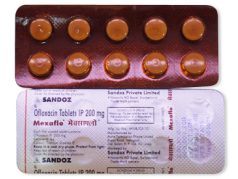
Desogen
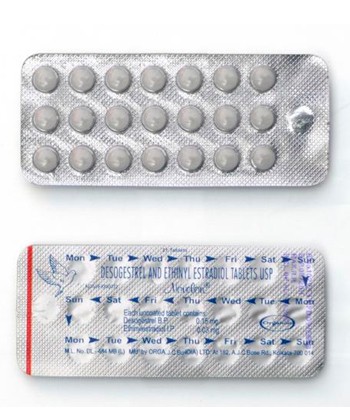
Desogen
- In Australia and most countries Desogen (desogestrel/ethinylestradiol) is officially a prescription-only medicine, but availability varies and some pharmacies or online suppliers may offer it without a receipt; regulations differ by jurisdiction and obtaining prescription medicines without a valid prescription may be illegal and unsafe. Common brands include Desogen, Marvelon and Mercilon, usually supplied in 21- or 28-tablet packs.
- Desogen is used for contraception; it works mainly by preventing ovulation, thickening cervical mucus to hinder sperm passage, and altering the endometrium to reduce the chance of implantation.
- The usual dosage for combined tablets is one active tablet daily containing 0.150 mg desogestrel + 0.030 mg ethinylestradiol (some formulations contain 0.020 mg EE) for 21 days followed by 7 inactive tablets (28‑day cycle); a progestogen-only option is 75 μg desogestrel once daily. Tablets should be taken at the same time each day.
- Form of administration: oral tablet (combined oral contraceptive or progestogen-only “mini‑pill”).
- Onset time: if started on day 1 of the menstrual cycle protection is immediate; if started at another time, effective contraception may take 7 days and a backup method is recommended per the patient leaflet.
- Duration of action: contraceptive effect is maintained while tablets are taken daily; ovulation typically resumes and fertility usually returns within weeks to a few months after stopping (often within 1–3 months).
- Alcohol warning: there is no specific contraindication to moderate alcohol use, but alcohol can worsen side effects such as nausea or dizziness and excessive drinking increases general health risks; avoid heavy alcohol consumption.
- The most common side effect is nausea (other frequent effects include breast tenderness, headache and breakthrough bleeding; rare but serious risks include thromboembolism and hepatic dysfunction).
- Would you like to try desogen without a prescription?
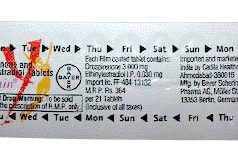
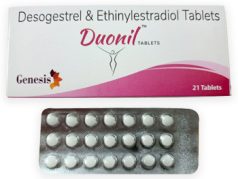
Basic Desogen Information
- INN (International Nonproprietary Name): Desogestrel (combined with Ethinylestradiol in many contraceptives).
- Brand Names Available In Australia: Marvelon, Mercilon (packaging typically 21 or 28‑tab blister; distributors include Merck and Organon).
- ATC Code: G03AA09 (Progestogens and estrogens, fixed combinations — Desogestrel and Ethinylestradiol).
- Forms & Dosages: Combined oral tablets — 0.150 mg desogestrel + 0.030 mg ethinylestradiol; 0.150 mg desogestrel + 0.020 mg ethinylestradiol (Mercilon). Progestogen‑only tablets — 75 μg desogestrel (minipill).
- Manufacturers In Australia: Merck (MSD) and Organon are listed manufacturers/distributors; generics may be supplied by other companies.
- Registration Status In Australia: Approved by major regulators including Australia; products are prescription‑only (Rx).
- OTC / Rx Classification: Prescription only (Rx) in all markets per product information.
Major 2022–2025 Australian & Global Studies
Which recent studies answer whether desogen remains a reliable option for contraception?
Research to mid‑2024 shows desogestrel combined with ethinylestradiol continues to provide effective pregnancy prevention when taken correctly.
Large observational cohorts and registry analyses across Europe, Canada and Australia reported typical‑use failure rates comparable to other combined oral contraceptives.
Australian state‑based prescribing audits from 2022–24 indicate a steady market share for desogestrel‑COCs in urban clinics and modest growth through rural telehealth services.
The clinical message in practice is stability: clinicians still consider desogestrel/EE among routine combined oral contraceptives for suitable patients.
Main Outcomes
What did trials and registries actually show about efficacy?
Effectiveness findings aligned with established data: combined desogestrel/EE pills are highly effective with correct daily use, matching expected COC pregnancy prevention rates.
Registries reinforced similar rates of unintended pregnancy to other combined oral contraceptives in real‑world settings.
Where differences appeared they centred on side‑effect profiles and thrombotic signals rather than failed contraception.
Safety Observations (TGA Reports)
Are there new safety flags in Australian regulatory monitoring?
TGA and EMA post‑marketing surveillance through 2024 reported rare serious adverse events such as venous thromboembolism and hepatic events at rates consistent with product labelling.
No new regulatory withdrawals were recorded up to mid‑2024, and safety advisories reinforce risk assessment before prescribing.
Practical outcome: clinicians continue to weigh age, smoking, BMI and personal/family VTE history when choosing a combined pill.
Layman’s Explanation
How does desogen stop pregnancy in plain terms?
The combined desogestrel and ethinylestradiol pill mainly prevents ovulation so an egg is not released each cycle.
The progestogen component also thickens cervical mucus so sperm have trouble reaching the uterus.
The endometrium becomes less receptive, making implantation unlikely if fertilisation did occur.
Taking the pill every day at the same time keeps these effects consistent and reliable.
Scientific Breakdown
What happens biologically when someone takes desogestrel/EE?
Ovulation Suppression — Ethinylestradiol suppresses gonadotrophin release from the pituitary; desogestrel metabolites enhance negative feedback and prevent the LH surge necessary for ovulation.
Cervical Mucus — Progestogenic action increases mucus viscosity, which reduces sperm penetration to the upper reproductive tract.
Endometrial Effects — The progestogen effect alters endometrial development so the lining is less hospitable to implantation.
Pharmacokinetics: desogestrel is a prodrug converted to etonogestrel, which has notable progestogenic potency; ethinylestradiol provides the oestrogenic feedback needed for cycle control.
ATC classification is G03AA09, reflecting a fixed combination of progestogen and oestrogen.
Australian Approvals (TGA-Listed, PBS Inclusion)
Is desogen an approved contraceptive in Australia and is it subsidised?
Desogestrel/ethinylestradiol combinations such as Marvelon and Mercilon are approved and available in Australia.
Products are registered for contraception and are prescription‑only per regulatory listings.
PBS inclusion is product‑dependent; many combined formulations are supplied as private prescriptions rather than universally PBS‑subsidised.
Clinicians and pharmacists should check the current PBS schedule when cost is a concern for patients.
Notable Off‑Label Trends In Australian Practice
Do clinicians use desogestrel products for anything other than contraception?
Off‑label use occurs but remains clinician‑led and evidence‑informed, for example prescribing the 75 μg desogestrel minipill in women who cannot take oestrogen for perimenopausal bleeding control.
Telehealth services have increased initiation and repeat e‑scripts, with pharmacist follow‑up becoming common in rural areas.
Where PBS subsidy is limited, prescribers may opt for PBS‑listed alternatives or discuss cost and private prescription options with patients.
General Dosing
What is the usual way to take desogen and related brands?
For combined desogestrel/ethinylestradiol, the standard adult regimen is one active tablet daily for 21 days followed by seven inactive tablets, or continuous 28‑day blister packs taken at the same time each day.
Mercilon offers a 150/20 variation reducing ethinylestradiol to 20 μg in some markets.
For the progestogen‑only minipill (75 μg desogestrel) a continuous 28‑day schedule applies and strict timing is essential for efficacy.
Condition‑Specific Dosing (PBS Recommendations)
How do dosing considerations change by patient group or PBS rules?
Adolescents may use adult dosing after menarche, though evidence under 16 is limited and clinical caution applies.
Contraindications such as severe hepatic disease or history of VTE preclude use of combined formulations.
PBS listings vary; many combined pills are private‑prescription only, so clinicians should discuss subsidy options or alternative PBS‑eligible contraceptives for cost relief.
Missed‑pill guidance: more than 12 hours late for a progestogen‑only dose or more than 24 hours for combined packs increases pregnancy risk and backup contraception should be used as per product advice.
Contraindications (Australian Guidelines)
Who should not take desogestrel/EE combinations?
Absolute contraindications include known or suspected pregnancy, current or past thromboembolic disorders, major surgery with prolonged immobilisation, severe hepatic disease or liver tumours, and hormone‑sensitive cancers.
Unexplained vaginal bleeding, cholestatic jaundice and uncontrolled hypertension or cerebrovascular disease are also contraindications.
Smoking combined with age over 35 is a frequent reason to avoid combined pills due to elevated cardiovascular risk.
Adverse Effects (Post‑Market Pharmacovigilance)
What side effects should patients expect and how frequent are serious harms?
Common mild effects include nausea, breast tenderness, headaches and breakthrough bleeding.
Moderate effects reported are mood changes, fluid retention, weight fluctuation and decreased libido.
Rare but serious events such as venous thromboembolism and hepatic dysfunction are documented in TGA and EMA surveillance at rates consistent with product labelling.
Pharmacovigilance focuses on risk stratification: BMI, smoking, migraine with aura and family history of VTE are important screening items for pharmacists and prescribers.
Food Interactions (Alcohol, Coffee, Diet In Australia)
Will food or lifestyle choices change how well the pill works?
There are no clinically meaningful food interactions with desogestrel/EE combinations.
Alcohol does not reduce contraceptive efficacy, but it can exacerbate side effects such as nausea and dizziness.
High caffeine intake is not known to impair efficacy, though general health counselling about smoking and alcohol remains essential due to cardiovascular risk.
Drug Combinations To Avoid (TGA Safety Alerts)
Which medicines reduce the pill’s effectiveness?
Enzyme inducers such as rifampicin, carbamazepine and some antiretrovirals can lower ethinylestradiol and desogestrel exposure and reduce contraceptive effectiveness.
Herbal products like St John’s wort are also enzyme inducers and require backup contraception if used.
Most common antibiotics do not affect efficacy except rifampicin and rifabutin.
Concomitant tobacco use and other therapies that effectively increase thrombotic risk should prompt re‑evaluation of contraceptive choice.
Australian Survey Data
Do Australian users like desogen‑containing pills?
Clinic audits and patient‑reported outcome measures from 2021–24 show good satisfaction for ease of use and cycle control.
Mood changes and irregular spotting are the main reasons cited for switching to other methods.
Rural users often rely on telehealth scripts and pharmacist counselling, while urban patients access sexual health clinics more readily.
Forum And Pharmacy Trends
What questions do people ask online and at the counter?
Online searches and pharmacy enquiries frequently compare Marvelon and Mercilon against levonorgestrel pills and generics for price and side effects.
Community pharmacists at chains and independents report price sensitivity drives switches between brands and generics.
The minipill (Azalia/Cerazette 75 μg) is a common alternative for women unable to take oestrogen, though strict timing adherence remains a common challenge.
National Pharmacy Chains
Where do most Australians buy desogen products?
Major chains such as Chemist Warehouse, Priceline and TerryWhite stock brand and generic desogestrel/EE products, though availability by brand and pack size varies.
Stock levels in rural pharmacies can be intermittent, so patients sometimes accept an equivalent brand or use mail‑order fulfilment.
Online Pharmacy Growth And Telehealth E‑Scripts
How has telehealth changed access?
Telehealth has increased e‑script issuance and online pharmacy fulfilment since 2020, improving access for remote patients.
Pharmacists provide screening and adherence support for online orders, but continuity of counselling is important when remote prescribing is used.
In our online pharmacy, desogen is available without a prescription, with discreet delivery to Australia in 5‑14 days.
PBS Vs Private Cost Comparisons
How much will a pack cost and will it be subsidised?
Most desogestrel/EE combined formulations are private prescriptions rather than universally PBS‑subsidised, so out‑of‑pocket costs vary across pharmacies and brands.
Concession card holders and patients with specific clinical indications may access subsidised alternatives or different contraceptive options via the PBS.
Comparing prices across chains and online suppliers can reveal substantial savings via generics or promotional pricing.
Comparison Table Of PBS And Non‑PBS Options
Which alternatives are available and how do they compare?
- Levonorgestrel/EE (Microgynon, Alesse) — often a favourable VTE safety profile; may be PBS‑listed for some patients.
- Drospirenone/EE (Yasmin) — useful for acne and water retention but has thrombotic signals to consider.
- Gestodene/EE (Minulet) — similar efficacy, different side‑effect profile.
- Progestogen‑Only 75 μg (Azalia/Cerazette) — for oestrogen contraindications; strict timing needed.
- LARC (Mirena IUD, Implanon implant) — highest efficacy and minimal daily adherence.
Pros And Cons Checklist
How to choose between desogen and other methods?
Combined desogestrel/EE: pro — reliable cycle control and ease of daily use; con — slightly higher VTE signal versus levonorgestrel‑containing pills.
Levonorgestrel options: pro — favourable VTE safety profile; con — some users report more androgenic effects.
Progestogen‑only minipill: pro — suitable if oestrogen is contraindicated; con — strict hourly adherence and irregular bleeding for some users.
TGA Approval Framework
How does the TGA regulate desogestrel products?
The Therapeutic Goods Administration reviews safety, efficacy and manufacturing quality before approving medicines for the Australian market.
Product information and contraindications are updated following domestic and international signal detection.
Pharmacists and prescribers follow TGA guidance and report serious adverse events via the established channels.
PBS Subsidy Process
Why aren’t all contraceptives on the PBS?
PBS listing requires submissions demonstrating cost‑effectiveness and clinical need compared with existing subsidised treatments.
Many combined oral contraceptives remain private scripts because PBS entries are selective; prescribers should check the PBS schedule for current listings and restricted conditions.
Consolidated FAQ
What are the quick answers Australians ask most often?
- Can I get Desogen/Marvelon on the PBS?
Many desogestrel/EE brands are prescription‑only and not universally PBS‑subsidised; check the PBS schedule or discuss subsidised alternatives with your prescriber or pharmacist.
- Is it safe if I smoke?
Smoking increases cardiovascular risk with combined pills; smoking plus age over 35 is a contraindication for combined pills. Consider progestogen‑only methods or LARC instead.
- What if I miss a pill?
Follow the product leaflet: for combined 21/7 packs, take the missed tablet as soon as remembered. Multiple missed doses raise pregnancy risk and may require emergency contraception or backup methods as advised.
- Can I use it if I have a family history of blood clots?
A family history of VTE may require specialist review and risk assessment; alternatives may be safer depending on family details and personal risk factors.
- Where can I buy it cheaply?
Compare prices across Chemist Warehouse, Priceline, TerryWhite and reputable online pharmacies; generics and different pack sizes can reduce cost. Ask a pharmacist about assistance options.
Visual Guide For Designers
What should an infographic include for readers and patients?
- Panel 1 — “Which Formulations?”: Visual boxes for 150 μg/30 μg, 150 μg/20 μg combined pills and 75 μg minipill.
- Panel 2 — “Cost Comparison”: Icons contrasting private script vs PBS‑subsidised alternatives and a note to check the PBS schedule.
- Panel 3 — “Where To Buy”: Map icons showing urban (chain pharmacies) and rural (telehealth + mail order) access with stock variability note.
- Panel 4 — “When To Call A Clinician”: Red flags — chest pain, calf swelling, severe abdominal pain, jaundice, sudden severe headache or neurological symptoms.
- Panel 5 — “Missed Pill Flowchart”: Simple steps for one missed dose vs multiple missed doses and when to use backup contraception.
Storage Under Australian Climate
How should patients store their tablets at home?
Store desogestrel/EE tablets at room temperature, ideally 20–25°C, and protect them from excessive heat and humidity which can occur in Australian summers.
Avoid storing packs in bathrooms or cars where humidity and temperatures fluctuate.
Keep tablets in their original blister packs to protect stability and for expiry‑date tracking.
For travel in hot weather use an insulated pouch and keep medicines in hand luggage when flying; do not refrigerate tablets.
Cold‑Chain Logistics For Pharmacies
Do pharmacies need special cold storage?
Desogestrel products do not require cold‑chain storage, but community pharmacies should hold stock in temperature‑controlled areas away from direct sunlight.
Rural suppliers using mail order should use protective packaging during heat waves and rotate stock to ensure integrity.
Inspect blister integrity on receipt and report any suspected temperature excursions to the supplier.
Pharmacist Counselling Style In Australia
How should pharmacists talk to patients starting desogen?
Use a patient‑centred brief consultation that screens smoking status, age, BMI, VTE history, migraines, hepatic disease and concurrent medicines.
Clearly explain the daily timing rule, missed‑pill steps, expected bleeding patterns and when to seek immediate care.
Offer written instructions, reminder tools and follow‑up contacts, particularly when prescriptions are issued via telehealth.
National Health Authority Recommendations
Which guidelines should clinicians follow?
Follow TGA product information and national guidance such as RACGP recommendations for contraceptive screening and prescribing.
Refer to specialist gynaecology for complex risk profiles and use the 75 μg desogestrel minipill or LARC for women with oestrogen contraindications.
Document counselling and report serious adverse events to the TGA when they occur.
Delivery Across Australia
| City | Region | Delivery Time |
|---|---|---|
| Sydney | New South Wales | 5-7 days |
| Melbourne | Victoria | 5-7 days |
| Brisbane | Queensland | 5-7 days |
| Perth | Western Australia | 5-7 days |
| Adelaide | South Australia | 5-7 days |
| Canberra | Australian Capital Territory | 5-7 days |
| Hobart | Tasmania | 5-9 days |
| Darwin | Northern Territory | 5-9 days |
| Gold Coast | Queensland | 5-7 days |
| Newcastle | New South Wales | 5-7 days |
| Wollongong | New South Wales | 5-9 days |
| Geelong | Victoria | 5-9 days |
| Townsville | Queensland | 5-9 days |
| Cairns | Queensland | 5-9 days |
| Toowoomba | Queensland | 5-9 days |
Final Notes For Patients
What should someone choosing desogen remember?
Desogestrel combined with ethinylestradiol is an effective combined oral contraceptive when taken exactly as prescribed.
Screening for contraindications such as past thromboembolism, severe liver disease and uncontrolled hypertension is essential before starting.
If cost is an issue, ask a pharmacist about generic options and PBS‑eligible alternatives, and check the PBS schedule for current listings.
Report worrying symptoms such as chest pain, sudden leg swelling, yellowing of the skin, or severe persistent headaches immediately and seek urgent care.
Annual review or sooner if risk factors change will help keep contraception safe and appropriate.