Birth control, also known as contraception, refers to methods and devices used to prevent pregnancy. In Australia, there are numerous contraceptive options available to suit different lifestyles, health needs, and preferences. Whether you're looking for hormonal contraception, barrier methods, or long-acting reversible contraception, understanding your options helps you make an informed decision about your reproductive health.
The choice of contraceptive method depends on factors such as effectiveness, side effects, convenience, and personal circumstances. Many Australians use birth control not only to prevent unwanted pregnancies but also to manage menstrual symptoms and hormonal conditions. It's essential to consult with your healthcare provider to determine which birth control method is most suitable for you.
Hormonal contraceptives work by using synthetic hormones to prevent ovulation, making pregnancy unlikely. These are among the most popular birth control methods in Australia and come in various forms.
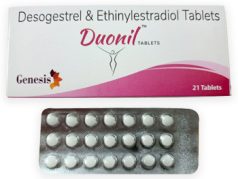
The oral contraceptive pill is one of the most widely used birth control methods in Australia. There are two main types: combined pills containing oestrogen and progestin, and progestin-only pills. Popular combined pills available in Australia include Yasmin, Microgynon, and Levora. The progestin-only pill, often called the mini-pill, is an alternative for those who cannot take oestrogen. Pills must be taken daily at the same time for maximum effectiveness. When used correctly, the contraceptive pill is over 99% effective at preventing pregnancy.
For those who prefer not to take daily pills, the contraceptive patch and vaginal ring offer convenient alternatives. The patch, such as Evra, is applied to the skin and changed weekly. The vaginal ring, like NuvaRing, is inserted into the vagina and left for three weeks. Both methods release hormones similar to the pill and provide comparable effectiveness rates of around 91–99% when used correctly.
Depo-Provera is an injectable contraceptive available in Australia that provides pregnancy protection for twelve weeks. This method requires visits to your healthcare provider four times per year and is ideal for those who want a set-and-forget option without daily maintenance.
Long-acting reversible contraception (LARC) methods are increasingly popular in Australia due to their high effectiveness and convenience.
Intrauterine devices (IUDs) are small T-shaped devices inserted into the uterus by a healthcare provider. There are two types available in Australia: copper IUDs and hormonal IUDs. Copper IUDs, such as Paragard, work for up to ten years, whilst hormonal IUDs like Mirena can prevent pregnancy for three to seven years depending on the brand. IUDs are over 99% effective and can be removed at any time if you wish to become pregnant.
The contraceptive implant, such as Implanon or Nexplanon, is a small plastic rod inserted under the skin of the upper arm. It releases progestin to prevent pregnancy and lasts for three years. Once inserted by a healthcare provider, it requires no daily maintenance and is over 99% effective. The implant can be removed at any time if you change your mind about contraception.
Barrier methods prevent sperm from reaching the egg and offer the added benefit of protection against sexually transmitted infections.
Male condoms are widely available in Australia and are made from latex, polyisoprene, or polyurethane. They are used during sexual intercourse and provide both pregnancy prevention and STI protection. Female condoms are also available and inserted into the vagina before intercourse. When used correctly and consistently, condoms are 98% effective for pregnancy prevention, though typical use effectiveness is around 85%.
The diaphragm and cervical cap are barrier devices that cover the cervix and must be used with spermicide. These methods are less commonly used in Australia today but remain available through healthcare providers. They require fitting by a professional and offer moderate effectiveness rates of around 88–94% with correct use.
For those seeking alternatives to hormonal or temporary contraception, several options exist in Australia.
Copper IUDs and copper-based methods are non-hormonal options that work by creating an environment toxic to sperm. These methods are ideal for those who prefer to avoid hormones and can be highly effective for many years. They are reversible and fertility typically returns quickly after removal.
Permanent contraceptive options include tubal ligation for women and vasectomy for men. These surgical procedures are available in Australia through public and private healthcare services. Tubal ligation involves blocking or removing the fallopian tubes, whilst vasectomy involves cutting the vas deferens in men. Both procedures are highly effective but should be considered carefully as they are difficult to reverse.
Selecting the right birth control method requires considering several factors including effectiveness, side effects, convenience, and cost.
Your GP or sexual health clinic can help you assess your options and determine which method suits your lifestyle and health needs best. In Australia, many contraceptive methods are available through the Pharmaceutical Benefits Scheme (PBS), making them affordable for eligible residents. Some methods, such as IUDs and implants, may have out-of-pocket costs but offer long-term value.
The most effective birth control method is the one you will use consistently and correctly. Long-acting reversible methods like IUDs and implants have the highest effectiveness rates because they don't rely on user compliance. For other methods, understanding proper use is crucial for preventing unintended pregnancy.
When considering your contraceptive options, it's helpful to understand the key advantages and disadvantages of each method:
Many birth control methods can take two to three months for your body to adjust. Common side effects include changes in bleeding patterns, mood changes, or weight fluctuations. If you experience concerning side effects, speak with your healthcare provider about alternatives. Finding the right method sometimes requires trying different options to discover what works best for your body and lifestyle in the Australian healthcare system.