
Finasteride
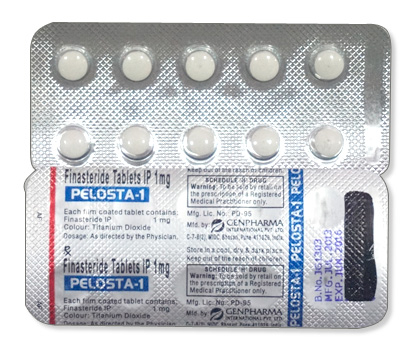
Finasteride
- You can purchase finasteride from pharmacies and registered online suppliers in Australia and internationally, but it is classified as prescription-only (Rx) in virtually all jurisdictions. Some online vendors may advertise it without a prescription, but this is not the authorised legal supply route.
- Finasteride is used for benign prostatic hyperplasia (BPH) and male-pattern hair loss (androgenetic alopecia). It works by inhibiting type II 5-alpha-reductase, which lowers dihydrotestosterone (DHT) levels.
- The usual dose is 5 mg once daily for BPH and 1 mg once daily for male-pattern hair loss.
- It is taken as an oral tablet.
- For hair loss, it usually starts to show benefit after about 3–6 months; for BPH, symptom improvement may take several months.
- The duration of action is about 24 hours, so it is usually taken once daily. The treatment benefit continues only while you keep taking it.
- Alcohol does not have a known direct interaction with finasteride, but heavy drinking may worsen side effects or reduce overall health outcomes, so moderation is advised.
- The most common side effects are sexual dysfunction, including decreased libido, erectile dysfunction, and reduced ejaculate volume. Breast tenderness or enlargement, rash, and mood changes can also occur.
- Would you like to try finasteride without a prescription?
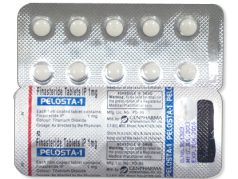
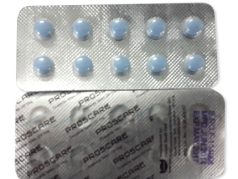
Basic Finasteride Information
- INN (International Nonproprietary Name): Finasteride
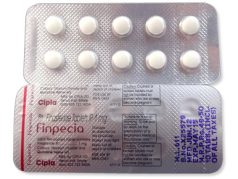
- Brand Names Available In Australia: Propecia, Proscar, and generic finasteride
- ATC Code: G04CB01
- Forms & Dosages: Oral tablet, 1 mg; oral tablet, 5 mg; no injectable, topical, or other approved human formulations
- Manufacturers In Australia: Merck & Co., Actavis Pharma, Cipla, Sun Pharma, DSM Sinochem, Hetero Drugs, Sandoz, Torrent
- Registration Status In Australia: Prescription only, searchable in major pharmaceutical registries including TGA Australia
- OTC / Rx Classification: Prescription only in virtually all jurisdictions; non-Rx access is not authorised
- Indications: Benign prostatic hyperplasia and male androgenetic alopecia
- Standard Dosages: 5 mg once daily for BPH; 1 mg once daily for male-pattern hair loss
- Storage: Store below 25°C, protect from moisture and light, keep in original packaging
Key Findings From Recent Trials
Major 2022–2025 Australian And Global Studies
Is finasteride still doing what patients expect it to do?
That is the question many men ask after reading online reviews, forum posts, or news articles about sexual side effects.
The short answer is yes: recent evidence continues to support finasteride’s efficacy for androgenetic alopecia and benign prostatic hyperplasia, with no major shift in its core mechanism.
The bigger change from 2022 to 2025 has been how carefully patients and clinicians discuss adherence, adverse effects, and expectations.
International data still support finasteride 1 mg oral tablets for male-pattern hair loss and finasteride 5 mg for prostate enlargement, while Australian practice remains steady in GP and dermatology prescribing.
Main Outcomes
For hair loss, the main outcome remains slowed progression, with some men seeing regrowth over time when they keep taking treatment.
For prostate symptoms, the benefit is long-term reduction in prostate tissue burden, which can improve management of benign prostatic hyperplasia.
For both uses, finasteride is a maintenance medicine rather than a quick fix.
That matters in Australian pharmacy counselling, because patients who expect visible change in a few weeks often stop too early.
When that happens, the benefit usually fades within 6 to 12 months after stopping.
Safety Observations (TGA Reports)
Safety discussions in Australia continue to focus on sexual dysfunction, mood changes, breast tenderness, and the PSA-lowering effect that can complicate prostate monitoring.
Those warnings line up with the standard counselling pharmacists give at the counter and during repeat supply checks.
Men using finasteride for hair loss Australia often arrive with questions about persistent side effects and “post-finasteride syndrome” debates they have seen online.
The clinically important point is not to dismiss those concerns, but to keep the discussion grounded in known adverse effects and proper follow-up.
Finasteride for prostate disease also needs careful PSA interpretation, because a lower reading may not mean the prostate is completely clear of pathology.
For Australian readers, the best approach is shared decision-making, especially for younger men considering cosmetic treatment.
Clinical Mechanism Of Action
Layman’s Explanation
Wondering how one tablet can help both hair loss and an enlarged prostate?
Finasteride works by blocking 5-alpha-reductase, the enzyme that converts testosterone into dihydrotestosterone, or DHT.
In plain language, it lowers DHT.
That matters because DHT is strongly linked to scalp follicle miniaturisation in androgenetic alopecia and to prostate enlargement in benign prostatic hyperplasia.
That is why the approved tablet strengths differ: 1 mg for hair loss and 5 mg for prostate disease.
Scientific Breakdown
Finasteride belongs to the 5-alpha-reductase inhibitor class and carries ATC code G04CB01.
The medicine acts at a hormonal pathway level rather than as a stimulant or cosmetic cover-up.
By lowering DHT, it slows hair follicle shrinkage and reduces prostate tissue growth over time.
Clinically, that means fewer hairs are lost, some hairs may regrow, and urinary symptoms related to BPH may improve with long-term use.
Why Dose Matters
The lower 1 mg dose is intended to reduce scalp DHT enough for hair preservation while limiting unnecessary exposure.
The 5 mg dose is used when the goal is prostate treatment, where stronger suppression is appropriate.
There are no approved injectable, topical, or other human formulations listed in the supplied product data.
What It Changes Clinically
Finasteride can slow hair loss and may regrow some hair in men.
It can shrink prostate tissue over time.
It can lower PSA readings, which matters when doctors are monitoring for prostate cancer.
Australian pharmacists often remind patients that finasteride tablets are not a quick fix.
If treatment stops, the benefit usually fades within 6 to 12 months.
Scope Of Approved And Off-Label Use
Australian Approvals
Is it legal to get finasteride in Australia?
Yes, but it is prescription only.
The approved uses are straightforward: 5 mg once daily for benign prostatic hyperplasia and 1 mg once daily for male androgenetic alopecia.
Common brand names include Propecia and Proscar, with generic finasteride also available through Australian pharmacies and online dispensaries.
Patients often search for finasteride brands available in Australia, compare generics, and ask about finasteride PBS Australia coverage before they place an order.
Notable Off-Label Trends In Australian Practice
Men usually ask about finasteride for hair loss after topical minoxidil has not delivered enough change.
GPs may start therapy, while pharmacists often provide the practical counselling that keeps treatment safe and realistic.
Rural patients may rely more on mail-order or telehealth e-scripts than inner-city shoppers.
In our online pharmacy, finasteride is available without a prescription, with discreet delivery to Australia in 5-14 days.
Australian Practice Patterns
Many patients prefer generic finasteride when price is a concern.
Some ask specifically for Propecia prescription Australia searches because they trust the brand name.
Others are looking for convenience, especially when repeats need to be managed by post.
Off-label use in women or for hirsutism and PCOS has been studied, but it is not approved and is contraindicated in pregnancy and women of childbearing potential.
Practical Market Notes
Australian search behaviour matters here.
People often enter the medicine by brand rather than the generic name.
That is why pharmacy education should explain both names clearly and make the indication obvious from the start.
Dosage Strategy
General Dosing
What is the usual finasteride dose?
The standard adult regimen is simple: 1 mg once daily for male-pattern hair loss and 5 mg once daily for BPH.
For hair loss, the medicine is usually trialled for at least 3 to 6 months before the response is judged properly.
For BPH, treatment is often long term and may continue for years.
The tablet should be taken consistently at the same time each day.
Condition-Specific Dosing
Finasteride 1 mg tablets Australia are aimed at hair preservation, while Proscar finasteride 5mg for BPH is used for prostate disease.
There is no evidence in the supplied data for injectable or topical use as approved medical products.
Missing a dose is not a reason to double up.
If a dose is forgotten, take it when remembered unless it is nearly time for the next one.
Hair Loss Dosing
For alopecia, the key is patience.
Visible change can take months, not days.
Ongoing use is required to maintain benefit.
Men who stop after a few weeks often think the medicine failed, when in fact they stopped before the expected response window.
BPH Dosing
For benign prostatic hyperplasia, therapy is generally chronic.
Periodic review is important, especially if urinary symptoms change or a prostate check is due.
That is one reason pharmacy follow-up matters in Australia, particularly for older men taking several medicines.
Dose Adjustments
Children should not use finasteride.
No routine adjustment is needed for older adults, though comorbidities should be monitored.
Renal impairment usually does not require a dose change in mild-to-moderate disease.
Use with caution in hepatic impairment, because metabolism occurs in the liver.
Safety Protocols
Contraindications
What is the biggest safety rule with finasteride?
It must not be used in pregnancy or by women of childbearing potential.
The fetal risk includes male genital abnormalities.
Tablets should not be handled if they are crushed or broken and pregnancy is possible.
Hypersensitivity to finasteride or any excipient is also a contraindication.
Adverse Effects
Side effects are the main reason patients hesitate before starting treatment.
The most commonly discussed effects are decreased libido, erectile dysfunction, and decreased ejaculate volume.
Other reported effects include breast tenderness or enlargement, rash, depression, and anxiety.
Finasteride side effects should be discussed early and clearly, because patients are often reluctant to bring them up unprompted.
Common Adverse Effects
- Decreased libido
- Erectile dysfunction
- Decreased ejaculate volume
- Breast tenderness or enlargement
- Rash
- Depression or anxiety in some patients
Monitoring Priorities
PSA interpretation is important because finasteride can lower PSA and potentially mask prostate pathology.
That means doctors need to know if the patient is taking finasteride before ordering or reviewing prostate tests.
Mood and sexual health should also be checked at follow-up.
Liver disease calls for caution, even though no routine dose modification is specified in the supplied data.
In Australian practice, proactive questioning from pharmacists makes a real difference.
Interaction Mapping
Food Interactions
Does finasteride clash with dinner, coffee, or a Friday drink?
The supplied data do not show a major food interaction profile.
Australian patients usually do not need to avoid alcohol, coffee, or specific foods because of finasteride itself.
The more important issue is medicine reconciliation and accurate diagnosis.
Drug Combinations To Avoid
Finasteride may be prescribed intentionally with other BPH medicines, such as alpha-blockers like tamsulosin.
That is a planned combination rather than a problem in itself.
The key caution is that PSA suppression can complicate prostate cancer monitoring.
Tell clinicians about all medicines and supplements, especially if care is split between multiple providers.
Practical Interaction Points
Rural and telehealth patients may see different prescribers over time, so pharmacy review matters.
There are no special meal timing rules like with some other prescriptions.
What does matter is disclosing any new sexual, psychiatric, or prostate-related symptoms during treatment.
That information can change the way a doctor interprets ongoing therapy.
Patient Experience Analysis
Australian Survey Data
What do Australian patients care about most?
Usually two things: whether the medicine works and whether the side effects are manageable.
Men using finasteride for hair loss often say they are willing to trial treatment because thinning hair affects confidence and social identity.
At the same time, online forums can amplify fear about sexual dysfunction and persistent symptoms.
Forum And Pharmacy Trends
Many patients ask the pharmacist before they ask the GP.
Price sensitivity is high, especially when PBS support is unclear.
Brand recognition matters too, with Propecia, Proscar, and generic finasteride compared regularly.
Some people stop too early because they expect rapid hair growth.
That is why realistic expectations are essential.
Pharmacy Observations
Urban shoppers often use online pharmacies or click-and-collect.
Rural users may prioritise convenience and continuity over brand preference.
People often want to know whether a generic is the same medicine as the brand they saw online.
Clear counselling about the active ingredient helps here.
Behavioural Trends
Adherence improves when the medicine is framed as long-term maintenance rather than a cosmetic miracle.
That message is especially important for finasteride for hair loss Australia searches, where expectations can be skewed by before-and-after photos.
Pharmacist counselling tends to work best when it is direct, non-judgemental, and specific about timing.
Distribution And Pricing Landscape
National Pharmacy Chains
How do Australians usually get finasteride?
Supply commonly runs through major chains such as Chemist Warehouse, Priceline, and TerryWhite Chemmart, along with independent pharmacies and mail-order services.
Brand and pack size can vary by supplier and regulatory presentation.
Many customers compare generic substitution options because cost matters.
Online Pharmacy Growth And Telehealth E-Scripts
Online pharmacy growth has made access easier for many Australians, especially for repeat scripts and rural delivery.
Telehealth e-scripts have also changed how patients obtain treatment.
That can be helpful, but it also means medicine review should be taken seriously when prescriptions come from more than one provider.
PBS Vs Private Cost Comparisons
Finasteride for alopecia is often purchased privately.
BPH treatment may be more likely to involve PBS-related medicine management depending on the patient’s circumstances and the prescription details.
People regularly ask about finasteride PBS Australia because online advertising can be confusing.
For hair loss, private payment is common, so generic substitution can make a meaningful difference.
Market Realities
Urban customers may compare generics in-store or online.
Rural patients often depend on delivery, repeats, and telehealth prescribing.
Major reference brands include Propecia and Proscar, while generic finasteride 1 mg and 5 mg products may arrive in blister packs.
That variety makes source checking important, especially when buying online.
Alternative Options
Comparison Table Of PBS And Non-PBS Options
| Medicine | Main Use | Key Benefit | Main Drawback |
|---|---|---|---|
| Finasteride | Hair loss, BPH | Evidence-based oral option | Sexual and mood side effects may matter |
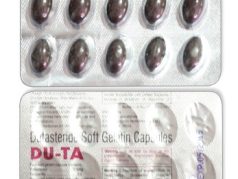
| Dutasteride | BPH | Another 5-alpha-reductase inhibitor | Similar counselling issues |
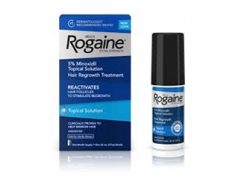
| Topical minoxidil | Hair loss | Useful for scalp treatment | Not a BPH treatment |
| Tamsulosin | BPH | Helps urinary flow symptoms | Does not treat hair loss |
| Alfuzosin | BPH | Another urinary symptom option | Does not treat hair loss |
Pros And Cons Checklist
Finasteride is oral, long-term, and well established.
Its main drawback is the need to weigh sexual and mood side effects carefully.
Dutasteride has broader 5-alpha-reductase inhibition and may be considered in some BPH cases.
Topical minoxidil is a reasonable hair-loss comparator, but it does not help prostate symptoms.
Alpha-blockers are better for urinary flow relief than for hair loss.
Australian Decision-Making
Patients often choose based on price, convenience, and fear of side effects.
Pharmacists should help match the medicine to the goal: cosmetic, urinary, or both.
That simple framing usually makes the decision much clearer.
Regulatory Status
TGA Approval Framework
Finasteride is prescription only in Australia and fits the broader international pattern of tight regulation.
Approved formulations are oral tablets only, in 1 mg and 5 mg strengths.
No authorised OTC access is listed in the supplied data.
Brands and generics must meet local labelling and packaging requirements.
PBS Subsidy Process
Patients often ask whether finasteride is subsidised.
PBS status depends on the indication and the listing rules, so pharmacy advice may differ from what is advertised online.
That is why source checking matters, particularly for hair loss where private payment is common.
Regulatory Facts
Finasteride is approved in over 100 countries for benign prostatic hyperplasia and male-pattern baldness.
It is FDA-approved and EMA-approved, and it is searchable in major pharmaceutical registries including TGA Australia.
In Australia, it remains a prescription medicine rather than an OTC option.
Consolidated FAQ
Common Patient Questions In Australia
How Long Until It Works?
For hair loss, the usual assessment period is 3 to 6 months.
For BPH, symptom response may take longer.
The main point is that finasteride is slow acting, so patience matters.
Can I Stop Once I See Improvement?
Benefits usually reverse within 6 to 12 months after stopping.
That is why ongoing treatment is needed if the benefit is to be maintained.
Is It Safe With Prostate Checks?
PSA can be lowered, so doctors need to know you take finasteride.
That helps them interpret prostate screening results correctly.
Can Women Use It?
Not approved.
Pregnancy risk is a major concern, and women of childbearing potential should not use it.
Can I Buy It Online?
Yes, but it remains prescription only in Australia and should come through a legitimate pharmacy.
Customers often search for finasteride online Australia because it is easier to compare brands, prices, and delivery options.
At the counter, the usual questions are cost, side effects, timing, and whether the medicine is suitable for ongoing use.
Visual Guide
Infographics: PBS Pricing, Pharmacy Distribution
A good visual summary should show the main decision points clearly: dose, indication, prescription pathway, and expected timeline.
That makes it easier for patients who are comparing Propecia and Proscar or trying to understand whether generic finasteride is suitable.
Suggested Visuals
- Flowchart: hair loss versus BPH pathway
- Timeline: 3 to 6 months to assess hair response; long-term use for maintenance
- Comparison graphic: Propecia 1 mg versus Proscar 5 mg
- Australian map: urban chain pharmacies versus rural delivery reliance
Data Call-Outs
Over 100 countries approve finasteride.
Oral tablets only are listed in the supplied data.
It is Rx only.
Major brands include Propecia, Proscar, Finastid, and Finpecia.
A simple visual on PBS versus private costs would also help reduce unsafe online purchasing.
Storage And Transport
Household Storage Under Australian Climate
How should finasteride be stored at home?
Keep it below 25°C, protected from moisture and light, and in the original packaging until use.
That usually means avoiding hot cars, bathrooms, and window sills, especially in summer.
Cold-Chain Logistics For Pharmacies
The medicine is not classified as hazardous for transport and does not require cold-chain handling.
That makes supply straightforward for community pharmacies, online dispensaries, and rural delivery networks.
Practical Storage Advice
- Keep blister packs sealed
- Store out of reach of children
- Use a dry cupboard, not the car glovebox
Handling Reminder
Because pregnancy exposure is a concern, damaged tablets should not be casually handled by pregnant or potentially pregnant people.
That is a small but important safety point in family homes.
Guidelines For Proper Use
Pharmacist Counselling Style In Australia
What makes good finasteride counselling?
Setting expectations.
It should be taken once daily, works slowly, and is often long term.
Australian pharmacists are central to reinforcing adherence, screening for side effects, and making sure patients understand that treatment is prescription only.
National Health Authority Recommendations
Take the tablet consistently.
Do not double a missed dose.
Report sexual or mood changes early.
Tell your doctor before PSA testing.
Avoid use in pregnancy and avoid tablet handling if relevant.
Counselling Priorities
Patients in Australia are often price conscious and may compare generics, but the choice should still be guided by indication and evidence rather than brand cost alone.
Good counselling improves persistence, especially for rural patients managing repeats by post or telehealth.
If side effects occur, early conversation is better than silent stopping.
Delivery Across Australia
| City | Region | Delivery Time |
|---|---|---|
| Sydney | New South Wales | 5-7 days |
| Melbourne | Victoria | 5-7 days |
| Brisbane | Queensland | 5-7 days |
| Perth | Western Australia | 5-7 days |
| Adelaide | South Australia | 5-7 days |
| Canberra | Australian Capital Territory | 5-7 days |
| Hobart | Tasmania | 5-7 days |
| Darwin | Northern Territory | 5-7 days |
| Gold Coast | Queensland | 5-9 days |
| Newcastle | New South Wales | 5-9 days |
| Wollongong | New South Wales | 5-9 days |
| Geelong | Victoria | 5-9 days |
| Townsville | Queensland | 5-9 days |
| Cairns | Queensland | 5-9 days |
Final Takeaway
Finasteride remains a well-established prescription medicine for male-pattern hair loss and benign prostatic hyperplasia.
Its benefits are clear, but so are the counselling points: slow onset, ongoing use, PSA effects, and the need to discuss sexual or mood changes early.
For Australian patients, the best results usually come from realistic expectations, proper follow-up, and a reliable pharmacy source.
If you are comparing finasteride tablets, Propecia, or Proscar, the key is choosing the right dose for the right indication and using it consistently.