Hair loss affects millions of Australians and can occur for various reasons including genetics, hormonal changes, stress, nutritional deficiencies, and medical conditions. Understanding the underlying cause of your hair loss is the first step towards finding an effective treatment. Male pattern baldness and female pattern baldness are the most common types, accounting for the majority of hair loss cases in Australia. Other forms include alopecia areata, telogen effluvium, and anagen effluvium. Hair typically goes through growth phases, and when this cycle is disrupted, hair loss can become noticeable. If you're experiencing sudden or significant hair loss, consulting with a healthcare professional is recommended to determine the cause and appropriate treatment options available to you.
Family history plays a significant role in determining whether you'll experience hair loss. If your parents or grandparents experienced baldness, you're more likely to as well. This genetic predisposition can affect both men and women, though it typically manifests differently. Early intervention with appropriate treatments may help slow down the progression of hereditary hair loss and maintain existing hair.
Hormonal fluctuations can trigger hair loss in many cases. Women may experience increased shedding during pregnancy, after childbirth, or during menopause. Thyroid disorders, polycystic ovary syndrome (PCOS), and other hormonal imbalances can also contribute to hair loss. Medical conditions such as lupus, diabetes, and iron deficiency anaemia may result in temporary or permanent hair loss that requires professional medical attention and treatment.
Stress, poor nutrition, insufficient sleep, and smoking can all contribute to hair loss. High stress levels trigger telogen effluvium, where hair prematurely enters the shedding phase. A diet lacking essential nutrients like iron, zinc, vitamin D, and B vitamins can weaken hair follicles. Environmental factors including harsh weather, chlorine, and pollution may also damage hair and increase shedding.
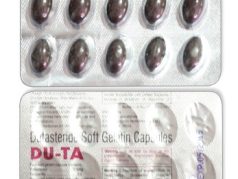
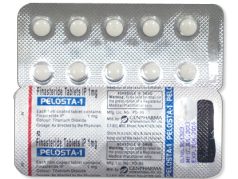
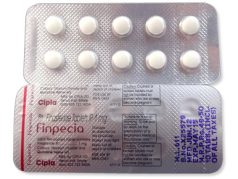
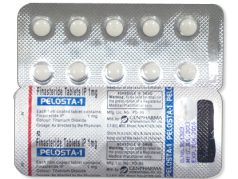
Several prescription medications have been approved in Australia for treating hair loss. Minoxidil, available under the brand name Rogaine, is a topical treatment that stimulates hair growth and is available without prescription. Finasteride, sold as Propecia, is a prescription medication for men that reduces the production of DHT hormone responsible for male pattern baldness. These medications work best when used consistently and may take several months to show results. Consulting your GP or dermatologist can help determine which prescription treatment is most suitable for your specific situation.
Non-prescription hair loss treatments are widely available throughout Australia. Minoxidil solutions and foams can be purchased at pharmacies without a prescription and are suitable for both men and women. Hair growth shampoos and conditioners containing biotin, keratin, and other strengthening ingredients may help reduce breakage and improve hair health. Nutritional supplements formulated with vitamins and minerals essential for hair growth are also available. These products work gradually and consistent use is necessary to maintain benefits.
Various topical treatments target the scalp directly to promote hair growth and health. These include oils, serums, and leave-in treatments designed to nourish follicles and improve scalp conditions. Some products contain natural ingredients like saw palmetto, rosemary, and peppermint oil which traditional use suggests may support hair health. Scalp treatments that improve circulation and reduce inflammation can create a better environment for hair growth.
Australian pharmacies stock a range of clinically proven and popular hair loss treatments. The most well-known options include:
Hair growth supplements containing biotin, iron, zinc, and B vitamins are readily available at Australian pharmacies and health retailers. Popular brands include Nature's Bounty, Swisse, and Blackmores, all offering formulations specifically designed for hair, skin, and nails. These supplements work from within to provide essential nutrients your hair follicles need to grow strong and healthy. Taking supplements consistently as directed can support overall hair health alongside other treatments.
Many Australians prefer natural options for treating hair loss. Products containing saw palmetto, pygeum, and plant-based extracts are available without prescription. Shampoos and conditioners with tea tree oil, argan oil, and coconut oil provide natural scalp care. These products are gentler on hair and scalp whilst still offering supportive benefits for hair health and growth.
If you're losing more than 100 hairs daily, experiencing sudden bald patches, or noticing hair loss accompanied by scalp pain or itching, professional evaluation is important. Significant changes in hair loss pattern, sudden onset of shedding, or hair loss affecting your quality of life warrant a doctor's consultation. A GP or dermatologist can properly diagnose the underlying cause and recommend appropriate treatments tailored to your condition.
Your healthcare provider may perform blood tests to check for nutritional deficiencies, thyroid problems, or hormonal imbalances. A dermatologist may examine your scalp and hair under magnification to determine the type of hair loss. Understanding your specific diagnosis helps guide treatment decisions and realistic expectations for recovery. Professional guidance ensures you're using the most appropriate and effective treatments for your particular situation rather than trying multiple products without direction.
Hair loss treatments require consistent application and patience to show results. Most medications and treatments take between three to six months before noticeable improvement appears. Stopping treatment prematurely may result in hair loss resuming. Creating a sustainable routine with your chosen treatments helps ensure long-term success and better outcomes over time.
Maintaining healthy hair care habits supports any medical treatment you're using. Avoid excessive heat styling, tight hairstyles that pull on hair, and harsh chemical treatments. Gentle handling of wet hair, using appropriate shampoo and conditioner, and regular trims help maintain hair health. A balanced diet rich in protein, vitamins, and minerals provides essential nutrients for hair growth and strength.
Reducing stress through exercise, meditation, or relaxation techniques can positively impact hair health. Regular physical activity improves circulation and hormone balance, both important for healthy hair growth. Quality sleep, adequate hydration, and avoiding smoking all contribute to overall health and hair vitality. These lifestyle factors work alongside treatments to provide comprehensive hair loss management for the best possible outcomes.