
Lyclear
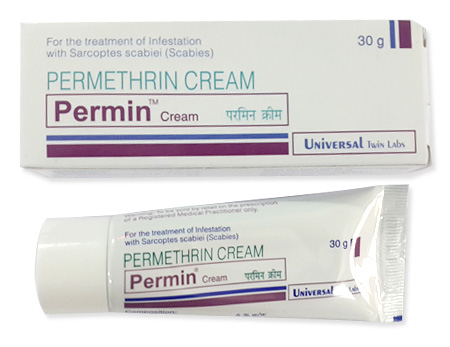
Lyclear
- In Australian pharmacies Lyclear is often available over the counter and can be purchased without a prescription; it is also sold by some online retailers with home delivery (note: in other countries the 5% scabies cream may be prescription-only).
- Lyclear (permethrin) is used to treat scabies and head lice; it is a synthetic pyrethroid that disrupts parasite sodium channels, causing paralysis and death of mites and lice.
- Usual dosage: for scabies (5% cream) apply a thin layer from the neck down and leave on for 8–14 hours (usually overnight); a single application is typical, with a repeat after 7–14 days if live mites persist. For head lice (1% lotion) apply to the scalp/hair for about 10 minutes then rinse; repeat after 7 days if live lice remain. Not approved for infants under 2 months; follow paediatric guidance for young children.
- Form of administration: topical (cream or lotion) applied to the skin or hair/scalp as directed.
- Onset time: parasites are typically killed within hours of application; however, itching and visible lesions may take days to settle and pruritus can persist for up to two weeks.
- Duration of action: a single application is left on for 8–14 hours; residual insecticidal activity may persist for several days, but standard regimens usually rely on one application with a possible repeat at 7–14 days.
- Alcohol warning: there is no specific systemic interaction with alcoholic drinks for topical permethrin, so ordinary alcohol consumption is not directly contraindicated; avoid applying alcohol-based skin products to treated areas and seek medical help if the product is swallowed.
- The most common side effec is mild, transient local skin reactions such as burning, stinging, redness, itching or paraesthesia at the application site.
- Would you like to try lyclear without a prescription?

Basic Lyclear Information
- INN (International Nonproprietary Name): Permethrin.
- Brand Names Available In Australia: Acticin, Elimite, Nix (1% lice lotion), and Lyclear (5% cream in 30g and 60g packs).
- ATC Code: P03AC04.
- Forms & Dosages: Acticin® and Elimite® are 5% cream formulations commonly in 30g and 60g tubes for scabies.
- Manufacturers In Australia: Ego Pharmaceuticals is listed as a local manufacturer/supplier.
- Registration Status In Australia: Permethrin 5% creams are listed on the ARTG and are prescription products for scabies.
- OTC / Rx Classification: 5% permethrin cream is prescription only in most settings while some 1% lice lotions may be available OTC depending on brand and local rules.
Key Findings From Recent Trials
Major 2022–2025 Australian & Global Studies
Clinicians ask: Does permethrin still work for scabies in Australia?
Recent literature from 2022–2025 shows permethrin 5% cream remains the standard first‑line topical scabicide for individual treatment in non‑outbreak settings.
Randomised controlled trials and pooled analyses report clinical cure rates commonly above 80% when the cream is applied correctly.
Australian remote‑community studies continue to favour mass drug administration with oral ivermectin for population control in outbreaks, while individual case management still relies on topical permethrin.
Observational work highlights common failure drivers: incorrect application, reinfestation from untreated contacts, and limited access in rural and remote communities.
Main Outcomes
Permethrin 5% cream achieves high clinical cure when a full body application is left on for the recommended time.
Most studies report symptom resolution and mite eradication rates above 80% when contacts are treated simultaneously and application is correct.
Repeat application after 7–14 days may be required if live mites or new lesions appear.
Safety Observations (TGA Reports)
TGA pharmacovigilance data from 2022–2025 record mostly mild local reactions such as burning, stinging and transient paraesthesia.
Rare neurological events have been reported and are typically linked to misuse or ingestion rather than standard topical use.
International regulators (FDA, EMA) report similar findings: low systemic absorption with uncommon serious adverse events.
Clinical Mechanism Of Action
Layman’s Explanation
People often ask: How does Lyclear kill scabies mites?
Permethrin paralyses and kills mites by affecting their nervous system when the cream is applied directly to the skin.
The product acts on mites and immature stages on contact, and applying the cream uniformly gives the best chance to stop the infestation.
Scientific Breakdown
Permethrin is a synthetic pyrethroid classified under ATC P03AC04.
It alters sodium channel kinetics in arthropod nerve membranes, causing prolonged depolarisation and paralysis of Sarcoptes scabiei mites.
Systemic absorption through intact skin is minimal and any absorbed permethrin is rapidly metabolised in humans.
Pharmacodynamics
Onset of action against mites is rapid after contact with the cream.
Although ovicidal activity is limited, adequate contact time of 8–14 hours enhances effectiveness against hatched mites and prevents reinfestation.
Pharmacokinetics
The topical route results in negligible systemic exposure in routine use.
Where systemic absorption is significant—such as extensive denuded skin—hepatic metabolism would clear permethrin and routine dose adjustments are generally unnecessary.
Counsel patients to apply the cream from neck down for 8–14 hours to ensure optimal pharmacologic effect.
Scope Of Approved & Off‑Label Use
Australian Approvals (TGA‑Listed, PBS Inclusion)
Permethrin 5% cream is listed on the ARTG and supplied by brands including Lyclear in Australia.
Product labelling supports use in adults and children aged two months and older for scabies.
PBS inclusion varies by formulation and indication, and clinicians should check current PBS schedules for subsidy rules and special authority requirements.
Notable Off‑Label Trends In Australian Practice
In practice some prescribers use 1% permethrin formulations for head lice where OTC options are limited.
Specialist clinics and public health teams sometimes combine topical permethrin with oral ivermectin for crusted or refractory scabies under specialist supervision.
Rural and remote areas often rely on pharmacy‑led triage, telehealth e‑scripts and local stock of 30g or 60g tubes such as Lyclear.
Confirm prescription status and PBS eligibility when supplying the cream and counsel carefully to avoid perceived treatment failure.
Dosage Strategy
General Dosing
Patients ask: How much cream do I need and how do I use it?
Adults and children aged two months and older should apply a thin layer of 5% cream to the entire body from the neck down and leave it on for 8–14 hours, usually overnight.
After the contact time, wash off thoroughly.
Condition‑Specific Dosing (PBS Recommendations)
For scabies a single full‑body application is standard, with a repeat application after 7–14 days if live mites persist.
For head lice, 1% permethrin lotion is used on the scalp for about 10 minutes and rinsed, repeating after seven days if live lice are present.
Special populations: infants under two months should not receive permethrin 5% cream without specialist advice.
Elderly patients use the same regimen but require attention to skin folds and application thoroughness.
Always check PBS rules if subsidy is required; special authority or documentation may be necessary.
Safety Protocols
Contraindications (Australian Guidelines)
Do not use permethrin if there is a known hypersensitivity to permethrin, other synthetic pyrethroids, or any excipients.
A history of allergy to chrysanthemum or ragweed pollen should be noted because of potential cross‑reactivity.
Exercise caution where skin is extensively damaged, inflamed or has open wounds due to increased absorption risk.
Pregnancy and breastfeeding are not absolute contraindications but clinical consultation is recommended before use.
Adverse Effects (Post‑Market Pharmacovigilance)
Common adverse effects reported to the TGA are local and mild: burning, stinging, redness and pruritus.
Paraesthesia at the application site and transient irritation are also noted and usually resolve in days.
Systemic symptoms such as headache, dizziness or neuro‑symptoms are rare and are most commonly associated with ingestion or misuse.
Advise patients to report severe or persistent reactions so pharmacists can file TGA adverse event reports that strengthen local safety data.
Risk mitigation includes avoiding application over open wounds, treating household contacts and following the recommended duration to reduce repeat exposure.
Interaction Mapping
Food Interactions (Alcohol, Coffee, Diet In Australia)
Topical permethrin has negligible systemic absorption and no clinically significant interactions with food or common beverages such as alcohol or coffee are documented.
There is no need to modify diet when using topical permethrin cream.
Drug Combinations To Avoid (TGA Safety Alerts)
Topical permethrin has a low potential for drug–drug interactions due to limited systemic exposure.
Avoid simultaneous use of multiple topical neuro‑active insecticides as additive irritation may occur.
Concurrent lindane use is discouraged because of an increased risk of neurotoxicity.
When oral ivermectin is co‑prescribed for refractory or crusted scabies, document and reconcile therapies and advise patients accordingly.
Patient Experience Analysis
Australian Survey Data
Surveys and pharmacy audits from 2022–2025 show high patient satisfaction with permethrin 5% cream when application instructions are followed.
Persistent itch after treatment is a common complaint and often represents post‑scabetic dermatitis rather than treatment failure.
Rural and remote patients report delays accessing prescribers and difficulty obtaining preferred pack sizes in small community pharmacies.
Forum And Pharmacy Trends
Online forums and pharmacist feedback show price sensitivity and frequent requests for generics such as Permethrin Sandoz where available.
Telehealth e‑scripts and home delivery from major chains have improved access but sometimes reduce the opportunity for in‑person counselling.
Pharmacists play an important role in demonstrating application technique, advising household cleaning and arranging follow‑up, which improves outcomes.
Distribution & Pricing Landscape
National Pharmacy Chains (Chemist Warehouse, Priceline, TerryWhite)
Major chains and independent pharmacies stock permethrin 5% cream—brands such as Lyclear in 30g and 60g tubes are common in urban areas.
Rural pharmacies may only carry limited brands and rely on order‑in supply chains during outbreaks.
Online Pharmacy Growth And Telehealth E‑Scripts
Online pharmacies and telehealth have expanded access with same‑day delivery in metro areas and discreet shipping options.
In our online pharmacy, lyclear is available without a prescription with discreet delivery to Australia in 5‑14 days.
Patients purchasing via telehealth should receive a clear written instruction sheet and pharmacist counselling when possible.
PBS Vs Private Cost Comparisons
When PBS subsidy is not available for a specific patient, out‑of‑pocket costs vary by brand and pack size, and generics typically reduce cost pressure.
Check the current PBS schedule to confirm whether permethrin 5% cream is subsidised for an individual patient and to determine copayment levels.
Supply chain interruptions may occur in remote logistics or during surges; advise patients to plan ahead in community outbreaks.
Alternative Options
Comparison Summary Of PBS And Non‑PBS Options
Alternatives to permethrin include benzyl benzoate, crotamiton and oral ivermectin for refractory or crusted scabies.
Topical lindane is less preferred owing to neurotoxicity concerns and is used infrequently.
Oral ivermectin is a useful option for mass drug administration and for cases resistant to topical therapy and may be PBS‑subsidised under authority for specified indications.
Pros And Cons Checklist
Pros for permethrin 5% cream: high efficacy when applied correctly, topical route, widely recommended as first‑line for scabies.
Cons: requires meticulous whole‑body application and household contact treatment, and access may be limited in remote areas.
Ivermectin pros: effective for outbreaks and crusted scabies; cons: not recommended for young infants and pregnant women and often requires special authority to access PBS subsidy.
Clinicians should consider severity, contact treatment feasibility, patient age and pregnancy status, cost and local resistance patterns when choosing therapy.
Regulatory Status
TGA Approval Framework
Permethrin 5% cream products such as Lyclear are listed on the ARTG and are regulated by the TGA for quality and safety.
TGA communications from 2022–2025 emphasise correct application, monitoring and reporting of adverse events.
PBS Subsidy Process
PBS listing requires PBAC approval and may include restrictions or special authority conditions for subsidy eligibility.
Generic permethrin products may be dispensed according to state and territory substitution rules where permitted.
Ensure prescriptions meet PBS criteria when claiming subsidy and document diagnosis and dosing to support potential audit.
Consolidated FAQ
Q: How long should I leave Lyclear (permethrin 5%) on?
A: Apply thinly from neck down and leave for 8–14 hours, usually overnight, then wash off.
Q: Is it safe in pregnancy or breastfeeding?
A: Permethrin is generally considered safe, but patients should consult their GP before use.
Q: Do household contacts need treatment?
A: Yes, treat close contacts at the same time to prevent reinfestation.
Q: What if itch continues after treatment?
A: Post‑scabetic itch can persist despite eradication of mites; topical corticosteroids or oral antihistamines may be recommended for symptom control.
Q: Can I buy permethrin OTC?
A: In most settings 5% cream is prescription only; some 1% lice lotions are available OTC depending on brand and local rules.
Visual Guide
Prepare a printable A4 infographic showing application steps, household cleaning, and supply options for patients in waiting rooms.
Design elements should include PBS vs private cost bars for 30g and 60g packs, a distribution map showing higher stock density in urban centres, and icons for telehealth e‑scripts and same‑day metro delivery.
Key callouts: treat contacts simultaneously, launder bedding at high temperature or isolate items for 72 hours, and contact a GP if new lesions appear after 14 days.
Storage & Transport
Household Storage Under Australian Climate
Store permethrin creams at room temperature, ideally 20–25°C and away from excessive heat or direct sunlight.
Avoid leaving tubes in hot cars or in direct sun on a summer day as high temperatures may degrade the product.
Keep tubes out of reach of children and store away from high humidity areas such as bathrooms.
Cold‑Chain Logistics For Pharmacies
Permethrin creams do not require cold‑chain storage but pharmacies should avoid exposing stock to prolonged high temperatures during heat waves.
For remote deliveries use expedited transport windows and coordinate with suppliers to minimise time in transit in extreme climates.
Guidelines For Proper Use
Pharmacist Counselling Style In Australia
Pharmacists should use clear, empathetic language and demonstrate application technique when possible.
Confirm age eligibility (≥2 months for 5%), pregnancy status, allergies to pyrethroids or chrysanthemum/ragweed and explain that 5% cream is prescription in most settings.
Give a written checklist covering full‑body application from neck down, include under nails and skin folds, instruct an 8–14 hour overnight contact time and advise treating all close contacts at the same time.
Explain the difference between post‑scabetic itch and treatment failure and schedule follow‑up only if clinically indicated.
National Health Authority Recommendations
Follow TGA and state health guidance for scabies management, including treating contacts and laundering or isolating bedding and clothing for at least 72 hours.
In outbreaks escalate to public health teams who may recommend mass drug administration with oral ivermectin for community control.
Pharmacist Counselling Checklist
- Confirm patient age and whether permethrin 5% is appropriate.
- Ask about pregnancy or breastfeeding and allergies to pyrethroids or chrysanthemum/ragweed.
- Show how to apply a thin layer from neck down and note the 8–14 hour contact time.
- Advise treatment of all close contacts and provide written instructions for household cleaning.
- Document counselling and ask patients to report adverse reactions to the pharmacy for TGA reporting.
Consolidated Frequently Asked Questions
How soon will I feel better?
Some reduction in itch and new lesion formation is often seen after successful treatment but post‑scabetic dermatitis may cause itch to persist for days to weeks.
When should I see a GP again?
If new burrows or live mites are seen after 14 days, or if severe widespread skin reaction or systemic symptoms occur, seek GP review.
Delivery Across Australia
| City | Region | Delivery Time |
|---|---|---|
| Sydney | New South Wales | 5-7 days |
| Melbourne | Victoria | 5-7 days |
| Brisbane | Queensland | 5-7 days |
| Perth | Western Australia | 5-7 days |
| Adelaide | South Australia | 5-7 days |
| Hobart | Tasmania | 5-7 days |
| Darwin | Northern Territory | 5-7 days |
| Canberra | Australian Capital Territory | 5-7 days |
| Gold Coast | Queensland | 5-7 days |
| Newcastle | New South Wales | 5-7 days |
| Wollongong | New South Wales | 5-7 days |
| Geelong | Victoria | 5-7 days |
| Cairns | Queensland | 5-9 days |
| Townsville | Queensland | 5-9 days |
Final Practical Tips For Pharmacists
When a patient rings on a Friday evening worried about scabies, advise overnight application and arrange early review with a GP if severe or widespread disease is suspected.
Record batch numbers when possible and encourage patients to report any suspected adverse effects so the TGA database reflects Australian experience.
Offer written instructions and, where available, provide printable A4 infographics summarising application, household cleaning and when to follow up.
Keep a small range of 30g and 60g tubes such as Lyclear in the pharmacy stock, and coordinate with regional suppliers to avoid stockouts during outbreaks.
References And Notes
Product information, ATC classification and packaging details are taken from registered product summaries for permethrin 5% and 1% formulations and from ARTG registration notes.
Guidance on dosing, contraindications, storage and adverse effects follows current product labelling and TGA pharmacovigilance summaries.
Where PBS subsidy applies, prescribers must check the current PBS schedule for criteria and special authority requirements before claiming a subsidy.