Parasitic infections occur when parasites, including worms, protozoa, and other microscopic organisms, invade the human body. These infections are more common than many Australians realise and can affect people of all ages. Parasites can enter through contaminated food, water, insect bites, or direct contact with infected individuals. Common symptoms include digestive issues, fatigue, skin irritation, and nutrient deficiencies. Understanding how parasites spread is the first step in prevention and treatment.
Children, travellers, and pet owners face higher risk levels. The Australian climate and environment create conditions where certain parasites thrive, particularly in tropical and subtropical regions. Prompt identification and treatment are essential to prevent complications and transmission to others.
Intestinal worms remain one of the most prevalent parasitic conditions in Australia. Roundworms, hookworms, and tapeworms commonly affect the digestive system. These infections can cause abdominal pain, malnutrition, and anaemia if left untreated. Hookworms are particularly concerning as they feed on blood and can lead to iron deficiency. Tapeworm infections may result from consuming undercooked meat or fish. Children attending childcare centres are at increased risk of transmission.
Giardia and cryptosporidium are two significant protozoan parasites affecting Australians. These single-celled organisms typically spread through contaminated water supplies and cause severe diarrhoea. Giardiasis can persist for weeks and lead to malabsorption issues. Cryptosporidium poses particular dangers for immunocompromised individuals. Outbreaks occasionally occur in communities with water contamination events.
Whilst malaria is rare in mainland Australia, travellers to endemic regions require preventative treatment. Mosquitoes in northern Australia can transmit other parasitic diseases. Japanese encephalitis and dengue fever represent additional concerns for travellers. Antiparasitic prophylaxis is recommended for those visiting high-risk countries.
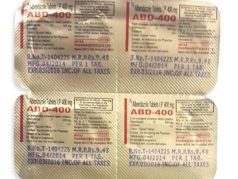
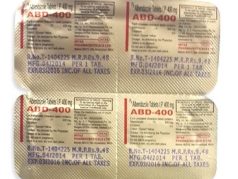
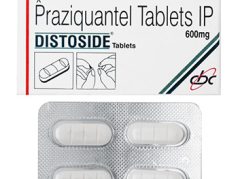
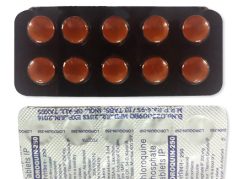
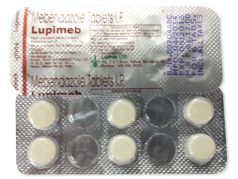
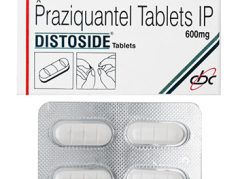
Several prescription-strength antiparasitic medications are available through Australian pharmacies. Mebendazole is commonly prescribed for roundworm, hookworm, and whipworm infections. Albendazole treats a broader spectrum of parasitic infections and is often preferred for mixed infections. Metronidazole effectively targets protozoan parasites including giardia. Praziquantel remains the gold standard for tapeworm infections. Ivermectin, whilst primarily used for veterinary purposes, has approved human applications for certain parasitic conditions. These medications require prescriptions from registered medical practitioners.
Some antiparasitic treatments are available without prescription in Australia. Pyrantel pamoate is available over-the-counter for common intestinal worms and is popular for family treatments. Niclosamide offers an alternative for tapeworm infections. These non-prescription options provide accessible treatment for mild to moderate parasitic infections. Always follow dosage instructions carefully and consult pharmacists about suitability.
For travellers heading to malaria-endemic regions, several options exist. Atovaquone-proguanil offers protection with minimal side effects for most travellers. Doxycycline serves as a cost-effective option with specific contraindications. Mefloquine remains available though less commonly prescribed due to potential neuropsychiatric effects. Selection depends on destination, individual health status, and medical history.
Persistent gastrointestinal symptoms warrant investigation for parasitic infections. Unexplained weight loss, despite adequate nutrition, often indicates parasitic burden. Chronic fatigue that doesn't improve with rest may suggest nutrient theft by parasites. Skin reactions, including rashes and itching, occasionally develop from parasitic infections. Anaemia symptoms like pale skin, shortness of breath, and weakness require medical evaluation. Children showing developmental delays or behavioural changes should be assessed.
Consult your general practitioner if symptoms persist beyond two weeks. Laboratory testing through faecal samples confirms most intestinal parasitic infections. Blood tests detect certain parasites and assess nutritional status. Travellers returning from high-risk regions should report symptoms to their doctor promptly. Provide detailed travel history to assist diagnosis. Your pharmacist can recommend initial steps while awaiting medical consultation.
Regular handwashing with soap and water significantly reduces parasitic infection risk. The following practices help prevent parasitic transmission:
Cook meat and fish thoroughly to eliminate parasites. Wash fresh produce under running water before consumption. Use filtered or boiled water in regions with questionable water quality. Avoid consuming food from unhygienic sources when travelling. Store food properly to prevent contamination. Frozen foods should reach appropriate temperatures when thawed and cooked.
Travellers to endemic regions should commence antimalarial medication as directed. Use insect repellent containing DEET, particularly during dawn and dusk. Wear protective clothing in mosquito-prone areas. Sleep under mosquito nets when necessary. Avoid swimming in potentially contaminated water sources. Consult travel medicine clinics before departing Australia.
Follow pharmacist and doctor instructions precisely regarding dosage and frequency. Take medications with or without food as specified on packaging. Complete the full course even if symptoms resolve earlier. Report side effects to your healthcare provider immediately. Store medications according to label instructions, away from children. Some medications require multiple doses over several days for effectiveness.
When one family member has parasitic infection, other household members often require treatment too. Discuss screening and preventative treatment with your doctor. Reinfection commonly occurs without simultaneous household treatment. Pets may require separate veterinary antiparasitic treatment. Wash all bedding and towels in hot water during treatment periods.
Schedule follow-up appointments to confirm treatment success. Some infections require repeat testing to verify parasite elimination. Maintain good hygiene practices long-term to prevent reinfection. Report persistent symptoms after treatment completion. Consult your pharmacist about recommended supplements to support recovery and rebuild nutritional status after parasitic infections resolve.