
Permethrin
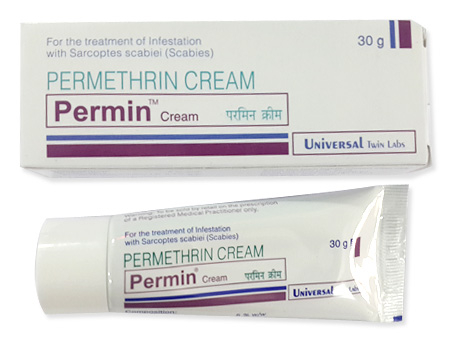
Permethrin
- In many pharmacies in Australia you can buy permethrin without a prescription — 1% lice products are commonly available OTC, while 5% scabies cream often requires a prescription in some places; check with your local pharmacy or supplier for availability.
- Permethrin is used to treat scabies and head lice; it is a synthetic pyrethroid that acts on parasite nerve cell sodium channels causing paralysis and death (ectoparasiticide, scabicide and pediculicide).
- Usual doses: for scabies adults and children over 12 months use a full tube of 5% cream applied head-to-toe and left for 8–14 hours (repeat after 7 days if needed); for head lice use a 1% lotion/cream rinse applied to washed hair, saturate, leave ~10 minutes then rinse and repeat after 7 days if live lice persist; do not use in infants under 2 months.
- Form of administration: topical only — cream (5%), lotion (1%), spray (0.25–0.5%) and combination lice treatment kits.
- Onset time: permethrin begins killing lice or mites soon after application (minutes to hours); symptom relief (itching) may take 24–48 hours or longer as skin inflammation settles.
- Duration of action: residual activity is limited but can persist on skin/hair for several days; standard practice is to reapply or repeat treatment at 7 days if live parasites are still present.
- Alcohol warning: there is no important interaction with drinking alcohol from topical use, but avoid applying alcohol-containing skin products to treated areas and do not use on wet skin or near open flames (some formulations are flammable).
- The most common side effect is local skin irritation (burning, stinging, itching or redness at the application site).
- Would you like to try permethrin without a prescription?
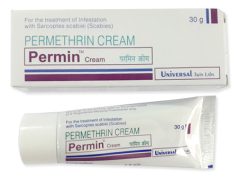
Basic Permethrin Information
- INN (International Nonproprietary Name): Permethrin.
- Brand Names And Global Packaging: Nix (cream rinse 1%, lice kit), Acticin (cream 5%), Lyclear (cream 5%, lotion 1%), Elimite (cream 5%), Scaboma (cream 5%, lotion 1%), and various sprays and regional products.
- ATC Code: P03AC04.
- Forms & Dosages: Cream 5% for scabies; lotion/cream 1% for head lice; sprays (0.25%, 0.5%) and combination lice kits are available.
- Manufacturers In Australia: not specified.
- Registration Status In Australia: not specified.
- OTC / Rx Classification: Most 1% formulations for lice are OTC; 5% cream for scabies is prescription in many jurisdictions.
Major 2022–2025 Australian & Global Studies
What Does Recent Research Tell People Worried About Scabies Or Lice?
Strongest evidence since 2022 highlights two trends: permethrin 5% remains clinically effective for scabies when applied head‑to‑toe for 8–14 hours.
Comparative trials increasingly show oral ivermectin‑based strategies often match or exceed cream‑based cure rates in outbreak settings when repeated doses or mass drug administration are used.
For head lice, multi‑country surveillance from 2022–24 documents rising pyrethroid resistance and reduced efficacy of topical permethrin 1% in several regions.
These findings influence guideline shifts toward alternative agents or combination therapies in areas with confirmed resistance.
Main Outcomes
Single 5% application cures many scabies cases, but repeat dosing and household treatment improve outcomes in practice.
Head lice show higher failure rates where pyrethroid resistance is prevalent, and retreatment at day 7 is broadly recommended.
Safety Observations (TGA Reports)
TGA post‑market data to mid‑2024 mirror international safety profiles with mostly local adverse events reported.
Rare systemic effects appear only with misuse or accidental ingestion, and TGA advisories emphasise age limits and correct packaging and labelling.
Layman’s Explanation
How Does Permethrin Actually Kill Mites And Lice?
Permethrin is a synthetic pyrethroid that attacks the nervous system of mites and lice causing paralysis and death.
When applied correctly it disrupts parasite sodium channels so they cannot feed or reproduce.
Scientific Breakdown
At a molecular level, permethrin binds voltage‑gated sodium channels in arthropod neurons and delays channel closure.
This produces repetitive neuronal firing followed by paralysis and death of the parasite.
Low mammalian toxicity reflects differences in channel pharmacology and rapid dermal metabolism in humans.
Pharmacokinetics (Brief)
Percutaneous absorption is minimal with typical topical use and systemic exposure is clinically negligible.
Any ingested permethrin is rapidly metabolised, so routine hepatic dosing adjustments are not required for topical therapy.
Australian Approvals (TGA‑Listed, PBS Inclusion)
Which Permethrin Products Are Recognised In Australia?
TGA registers topical permethrin formulations for scabies (5% cream generally prescription) and lice (1% OTC products).
PBS listing for permethrin is limited or conditional, and many scabies prescriptions remain private outside targeted programs.
Clinicians and pharmacists should check the current PBS schedule for any concessions or community programs.
Notable Off‑Label Trends In Australian Practice
What Do Clinicians Do When The Label Doesn’t Cover The Situation?
Off‑label strategies include repeat applications, modified contact times in younger children and combining topical permethrin with environmental measures.
In remote and rural Indigenous health programs, oral ivermectin protocols or mass drug administration are increasingly integrated where logistics favour systemic therapy.
General Dosing
How Should People Apply Permethrin For Best Results?
Standard scabies dosing is permethrin 5% cream applied from the neck to the soles for adults and older children and left for 8–14 hours before washing off.
For head lice, 1% lotion or cream is applied to washed hair, left for about 10 minutes and then rinsed.
Condition‑Specific Dosing (PBS Recommendations)
Adult Scabies: use a full 30–60g tube of 5% cream applied head‑to‑toe and wash off after 8–14 hours.
Pediatric Scabies: approximate tube fractions—½ tube for 6–12 years, ¼ tube for 1–5 years, and 1/8 tube for infants 2 months–1 year.
Repeat application at day 7 if mites persist.
Lice: apply to washed hair and saturate; leave 10 minutes then rinse, with a repeat at day 7 if live lice are still observed.
Contraindications (Australian Guidelines)
Who Should Not Use Permethrin?
Absolute contraindications include known hypersensitivity to permethrin or other pyrethroids and neonates younger than two months, as safety is not established.
Relative contraindications include severely inflamed or weeping skin and caution where ragweed allergy exists because cross‑reactivity is possible.
Adverse Effects (Post‑Market Pharmacovigilance)
What Side Effects Are People Reporting?
Common local reactions are burning, stinging, pruritus, erythema and superficial oedema at the application site.
Neurological complaints such as numbness, tingling, headache or dizziness are rare.
TGA and international vigilance to mid‑2024 report mainly mild events; emergency care is advised for accidental ingestion or large‑area misuse.
Food Interactions (Alcohol, Coffee, Diet In Australia)
Do Common Foods Or Drinks Affect Permethrin?
No clinically relevant food–drug interactions have been documented for topical permethrin.
Alcohol or caffeine intake does not alter topical efficacy or safety.
Drug Combinations To Avoid (TGA Safety Alerts)
Are There Medicines That Interact With Topical Permethrin?
Because systemic absorption is negligible, major pharmacokinetic drug–drug interactions are not expected.
Exercise caution when combining permethrin with other topical neurotoxic agents such as other pyrethroids or lindane to avoid additive local irritation or neurotoxicity.
Avoid using animal formulations or applying permethrin to extensively broken skin, as emphasised in TGA communications.
Australian Survey Data
What Do Patients Say After Using Permethrin?
Surveys from primary care and community clinics between 2020 and 2024 show high satisfaction when regimens are clearly explained.
Common complaints relate to persistent post‑treatment itch, cost for prescription 5% products, and uncertainty about household management steps.
Forum And Pharmacy Trends
What Are Pharmacists Hearing At The Counter?
Online forums and pharmacy counselling show growing consumer awareness of lice resistance and increasing requests for alternatives after permethrin failure.
Pharmacists in major chains report frequent counselling on timing, environmental decontamination and when to refer for prescription treatments, especially for rural and remote customers.
National Pharmacy Chains
Where Do People Buy Permethrin Products In Australia?
OTC 1% lice kits are widely stocked in Chemist Warehouse, Priceline and TerryWhite, and discount chains often undercut independents on price.
5% scabies cream is usually dispensed on prescription and pricing varies by brand and pharmacy.
Online Pharmacy Growth And Telehealth E‑Scripts
Has Telehealth Changed Access?
Telehealth and e‑prescribing have increased access to 5% formulations, particularly in urban and peri‑urban areas.
Remote communities still rely on outreach clinics and bulk supply programs for timely treatment.
In our online pharmacy, permethrin is available without a prescription, with discreet delivery to Australia in 5-14 days.
PBS Vs Private Cost Comparisons
How Much Should People Expect To Pay?
PBS coverage for permethrin is limited, so many scabies treatments are private purchases unless supplied by community programs.
Bulk supply programs and Indigenous health initiatives can reduce costs for eligible patients.
Comparison Table Of PBS And Non‑PBS Options
PBS: limited listings, targeted community programs may supply oral ivermectin or subsidised permethrin in endemic settings.
Non‑PBS: OTC 1% lice products such as Nix‑type kits, and prescription 5% creams including branded and generic options.
Pros And Cons Checklist
- Permethrin 5% For Scabies (Pros): established scabicidal efficacy and topical control.
- Permethrin 5% (Cons): requires correct application, may need repeat dose, available by script and may be costly.
- Permethrin 1% For Lice (Pros): OTC access and simple application.
- Permethrin 1% (Cons): reduced efficacy where pyrethroid resistance exists.
- Alternatives: malathion for resistant lice, oral ivermectin for outbreaks or where topical therapy is impractical, and crotamiton as a less effective option.
TGA Approval Framework
How Does The TGA Classify Permethrin Products?
The TGA classifies permethrin topicals by concentration, with most 1% lice products sold OTC and 5% scabies cream usually prescription only.
Approvals require local dossiers or reliance on international assessments, and labelling must include age limits and application instructions.
PBS Subsidy Process
When Will PBS Cover Permethrin?
PBS listing requires evidence of clinical need, cost‑effectiveness and negotiated pricing, and permethrin 5% has historically had limited PBS listing except in targeted programs.
Clinicians should verify current PBS schedules and state or territory procurement arrangements for community programs.
Consolidated FAQ
Can I Buy Permethrin Cream OTC In Australia?
1% lice formulations are available OTC at major chains; 5% scabies cream usually requires a prescription from a GP or telehealth service.
How Long Before I Can Return To Work/School?
Follow local public health guidance; many people return the next day after treatment and washing off, but household contacts may need simultaneous treatment to prevent reinfestation.
What If Permethrin Fails?
Reassess adherence and environmental measures, and consider resistance as a cause of failure.
Referral for alternative therapies such as malathion or oral ivermectin and specialist advice may be indicated.
Visual Guide
Which Infographics Should Clinics And Pharmacies Use?
Recommended visuals include a PBS pricing versus private cost flowchart, a stepwise application diagram for 5% scabies cream showing head‑to‑toe application and timing, and a lice treatment timeline for day 0 and day 7 retreatment and household checks.
Design notes for Australian use: include TGA age limits, telehealth icons for rural accessibility, and ensure accessible colour contrast and translations for Indigenous and CALD communities.
Household Storage Under Australian Climate
How Should Permethrin Be Stored At Home?
Store at 20–25°C and protect from heat and moisture, which is important in hot and humid Australian summers.
Keep out of reach of children and pets, do not freeze and avoid storing in cars or bathrooms where temperature fluctuates.
Cold‑Chain Logistics For Pharmacies
Do Pharmacies Need Special Transport For Permethrin?
Permethrin formulations do not require cold chain handling but should be stored in temperature‑controlled dispensary areas away from direct sunlight.
Rural pharmacies should plan buffer stock, monitor expiry dates and account for transit times and heat when arranging bulk community deliveries.
Pharmacist Counselling Style In Australia
How Should Pharmacists Explain Permethrin To Customers?
Begin with clear stepwise instructions on product type, application area, contact time and repeat timing, and include household washing and vacuuming recommendations.
Be mindful of cost concerns and suggest generics or clinic supply programs when appropriate, and advise when GP referral is recommended.
National Health Authority Recommendations
What Should Counselling Align With?
Advice should align with TGA labelling and state public health guidance for scabies outbreaks, emphasising correct application and household management.
For suspected resistance or treatment failure, follow local algorithms which may recommend specialist referral or alternative agents such as malathion or ivermectin.
Delivery Across Australia
| City | Region | Delivery Time |
|---|---|---|
| Sydney | New South Wales | 5-7 days |
| Melbourne | Victoria | 5-7 days |
| Brisbane | Queensland | 5-7 days |
| Perth | Western Australia | 5-7 days |
| Adelaide | South Australia | 5-7 days |
| Canberra | Australian Capital Territory | 5-7 days |
| Hobart | Tasmania | 5-7 days |
| Darwin | Northern Territory | 5-7 days |
| Gold Coast | Queensland | 5-7 days |
| Newcastle | New South Wales | 5-7 days |
| Wollongong | New South Wales | 5-7 days |
| Geelong | Victoria | 5-7 days |
| Cairns | Queensland | 5-9 days |
| Townsville | Queensland | 5-9 days |
| Alice Springs | Northern Territory | 5-9 days |
Final Considerations For Safe Use
Always check the product concentration before use and follow TGA labelling for age limits and application times.
Do not use animal formulations on people and avoid combining permethrin with other topical insecticides unless advised by a clinician.
Seek immediate medical attention for accidental ingestion or if severe neurological symptoms develop after misuse.
When To Refer
Refer to a GP or dermatologist when initial treatment fails despite correct application, when extensive inflamed or weeping skin is present, or when multiple household members remain symptomatic.
For community outbreaks, public health teams may recommend alternative strategies such as mass drug administration with oral ivermectin under clinical guidance.