
Norfloxacin
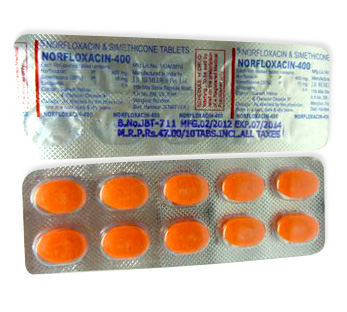
Norfloxacin
- You can obtain norfloxacin from pharmacies and many international e‑pharmacies, but it is a prescription‑only medicine in nearly all jurisdictions; in some places or online it may be sold without a receipt or prescription, which is not recommended and may be illegal — always check local regulations and consult a clinician.
- Norfloxacin is used to treat urinary tract infections (uncomplicated and complicated), bacterial prostatitis, certain gastrointestinal infections (eg, shigellosis) and as an alternative for gonorrhoea in some settings; it is a fluoroquinolone antibiotic that works by inhibiting bacterial DNA gyrase and topoisomerase IV, blocking DNA replication and producing a bactericidal effect.
- The usual adult dose is 400 mg twice daily for most indications (uncomplicated UTI 3–7 days; complicated UTI 7–10 days); prostatitis typically 400 mg twice daily for 4–6 weeks; a single 800 mg dose has been used as an alternative for gonorrhoea; reduce to 400 mg once daily if creatinine clearance <30 mL/min.
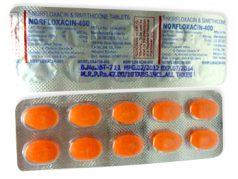
- The common form of administration is oral film‑coated tablets (400 mg); oral suspension is rare and 0.3% eye drops are available in select markets for topical ocular use.
- The plasma half‑life is about 3–4 hours and the drug is usually given twice daily; the overall treatment duration depends on the infection (eg, 3–7 days for uncomplicated UTI, 7–10 days for complicated UTI, 4–6 weeks for chronic prostatitis).
- Avoid excessive alcohol while taking norfloxacin — alcohol can worsen side effects such as dizziness, drowsiness and gastrointestinal upset and may increase risk of adverse reactions.
- The most common side effect is nausea (other frequent effects include abdominal pain, diarrhoea, headache, dizziness and rash; important adverse reactions can include tendon pain/tendinitis, photosensitivity and rare hepatotoxicity).
- Would you like to try norfloxacin without a prescription?
<li Norfloxacin reaches peak plasma levels within about 1–2 hours and begins bactericidal activity within hours; patients may notice symptomatic improvement within 24–48 hours for many infections.
Key Findings From Recent Trials
Basic Norfloxacin Information
- INN (International Nonproprietary Name): Norfloxacin
- Brand Names Available In Australia: Noroxin, Norflox, Nolicin (international brands; local availability depends on TGA ARTG registration and supplier contracts)
- ATC Code: J01MA06
- Forms & Dosages: Tablets 400 mg film-coated (most common); oral suspension uncommon; eye drops 0.3% available in select markets
- Manufacturers In Australia: Not specified (international suppliers include Cipla, Sun Pharmaceutical, Ranbaxy, Dr. Reddy’s, Zentiva, EMS; Australian supply depends on ARTG-listed importers)
- Registration Status In Australia: Check TGA ARTG for current registration; status is variable and products may be registered in select markets only
- OTC / Rx Classification: Prescription-only medicine (Rx) in nearly all jurisdictions
Major 2022–2025 Australian & Global Studies
Clinicians and pharmacists want to know whether norfloxacin still works for common urinary infections.
Recent surveillance and meta-analyses from 2022 to 2025 emphasise two clear trends relevant to Australia and internationally.
First, Enterobacterales resistance to older fluoroquinolones has risen, reducing clinical utility in many areas.
Second, ongoing pharmacovigilance has reinforced safety signals such as tendinopathy and neuropsychiatric events.
Australian hospital antibiograms and international datasets show increases in minimum inhibitory concentrations for norfloxacin against common urinary pathogens.
That rise in MICs means clinical success with norfloxacin depends heavily on local susceptibility patterns.
These findings align with broader concerns about fluoroquinolone safety and stewardship.
Pharmacists should note the combined impact of resistance trends and safety alerts when advising prescribers and patients.
Main Outcomes
When pathogens are shown susceptible in vitro, norfloxacin can have modest efficacy for uncomplicated lower urinary tract infections.
Shorter courses of three to five days were evaluated for uncomplicated cystitis, but success hinges on local susceptibility.
For prostatitis and complicated urinary infections, laboratory-confirmed sensitivity predicts better clinical outcomes with longer treatment courses.
Where resistance is common, alternative agents with reliable activity should be preferred to avoid treatment failure.
Safety Observations (TGA Reports)
Australian TGA pharmacovigilance and international safety reports continue to flag tendon disorders, photosensitivity and rare hepatotoxicity.
Regulators increasingly advise restricting fluoroquinolone use when safer alternatives exist.
Norfloxacin has been withdrawn from some markets historically and is used selectively where benefits outweigh risks.
Pharmacists should monitor TGA alerts and report suspected adverse events as part of routine post‑market surveillance.
Clinical Mechanism Of Action
Layman’s Explanation
People often ask how norfloxacin stops infections in simple terms.
Norfloxacin is a fluoroquinolone antibiotic that prevents bacteria from reproducing by blocking key enzymes needed to copy bacterial DNA.
When those enzymes are blocked, bacteria cannot multiply and the immune system clears the infection.
Scientific Breakdown
At the molecular level norfloxacin inhibits DNA gyrase and topoisomerase IV, enzymes essential for DNA replication and maintenance.
Inhibition causes double‑stranded DNA breaks and results in bactericidal activity.
Activity is skewed toward Gram‑negative bacilli, particularly Enterobacterales, which explains historical use in urinary and some gastrointestinal infections.
Pharmacokinetics (Brief)
Oral norfloxacin tablets have adequate bioavailability for systemic therapy at standard doses.
The most common tablet strength internationally is 400 mg, usually given twice daily for many indications.
Renal excretion is clinically important and dose adjustment is recommended when creatinine clearance is below 30 mL/min.
In severe renal impairment a usual recommendation is to reduce dosing to 400 mg once daily.
Resistance Mechanisms
Common resistance mechanisms include target‑site mutations in gyrA and parC genes of bacteria.
Other mechanisms are increased efflux pump activity and plasmid‑mediated quinolone resistance determinants.
These mechanisms reduce clinical effectiveness and are behind the rising norfloxacin resistance seen in surveillance data.
Scope Of Approved & Off-Label Use
Australian Approvals (TGA-Listed, PBS Inclusion)
Clinicians should confirm current TGA ARTG registration for any norfloxacin product before prescribing or dispensing.
Norfloxacin is generally registered as a prescription‑only systemic fluoroquinolone under ATC code J01MA06 in select markets.
It is not commonly subsidised on the PBS compared with alternatives such as ciprofloxacin, so PBS access and subsidy are limited or variable.
Notable Off-Label Trends In Australian Practice
Off‑label uses reported internationally include ocular 0.3% eye drops and occasional use for shigellosis or traveller’s diarrhoea when alternatives fail.
In Australia, specialists may reserve norfloxacin for chronic bacterial prostatitis or resistant urinary infections only after culture confirms susceptibility and a careful risk–benefit assessment.
Legal/Ethical Note
Always supply norfloxacin on a valid prescription and document rationale for any off‑label use.
Obtain informed consent for off‑label prescribing and keep clear notes in the patient record.
Dosage Strategy
General Dosing
The standard adult strength internationally is norfloxacin 400 mg film‑coated tablets.
Typical systemic dosing for adults is 400 mg twice daily for many indications, adjusted by severity and renal function.
Store and advise administration according to the product leaflet supplied with the medicine.
Condition-Specific Dosing (PBS Recommendations)
Uncomplicated lower urinary tract infection: 400 mg twice daily for 3–7 days, with the shortest effective course preferred where susceptibility is clear.
Complicated urinary tract infection: 400 mg twice daily for 7–10 days depending on clinical response and microbiology.
Bacterial prostatitis (chronic): 400 mg twice daily for 4–6 weeks is a commonly used regimen where norfloxacin is chosen.
For severe renal impairment (creatinine clearance <30 mL/min) reduce to 400 mg once daily and monitor closely for toxicity.
Special Populations
Children and adolescents under 18 are generally excluded because of risks to developing cartilage and joints.
Avoid in pregnancy and breastfeeding due to potential fetal and neonatal risks.
In older adults start with caution and check renal function, because the elderly are more susceptible to CNS and tendon adverse events.
Practical Counselling Points
- Take doses evenly spaced through the day and do not double up after a missed dose.
- Maintain adequate hydration while on treatment.
- Report any tendon pain, numbness, tingling or sudden mood changes immediately.
Safety Protocols
Contraindications (Australian Guidelines)
Absolute contraindications include known hypersensitivity to quinolones and prior quinolone‑associated tendon disorders.
Avoid use in pregnancy and breastfeeding, and in children and adolescents under 18 except for specialist guidance in exceptional circumstances.
Screen for myasthenia gravis, seizure disorders and known QT prolongation before supply.
Adverse Effects (Post-Market Pharmacovigilance)
Mild adverse events include nausea, diarrhoea, headache and dizziness.
Moderate to serious events noted in TGA reports include tendinopathy and tendon rupture, persistent peripheral neuropathy and rare hepatotoxicity.
Photosensitivity and psychiatric reactions have also been reported and should be part of routine counselling.
Monitoring And Mitigation
Conduct a baseline medication review to identify QT‑prolonging agents, corticosteroids and interacting OTC products.
Advise patients to stop the medicine and seek urgent review if they experience tendon pain, swelling or signs of neuropathy.
Report serious adverse events to the TGA and keep documentation for future clinical decisions.
Interaction Mapping
Food Interactions (Alcohol, Coffee, Diet In Australia)
High‑calcium foods, dairy, antacids and supplements containing calcium, magnesium, iron or aluminium can chelate norfloxacin and reduce absorption.
Advise patients to separate these products by two to four hours from norfloxacin doses.
Alcohol does not have a direct pharmacokinetic interaction but may worsen central nervous system adverse effects such as dizziness or drowsiness.
Drug Combinations To Avoid (TGA Safety Alerts)
Avoid using systemic fluoroquinolones concurrently with other QT‑prolonging drugs such as certain antiarrhythmics and antipsychotics unless ECG monitoring is in place.
Concurrent high‑dose corticosteroids increase tendon rupture risk, so co‑prescribing should be avoided when possible.
NSAIDs can potentiate CNS excitability and lower the seizure threshold when combined with quinolones.
Practical Pharmacy Checklist
- Review all prescription and OTC medicines for calcium/iron supplements and flag spacing instructions.
- Use dispensing software to alert to high‑risk combinations and communicate concerns to the prescriber.
Patient Experience Analysis
Australian Survey Data
Specific national surveys for norfloxacin are limited, but broader fluoroquinolone consumer reports in Australia show high awareness of tendon and neurological risks.
Patients frequently prioritise safety, cost and PBS subsidy when choosing an antibiotic or discussing options with pharmacists.
Forum And Pharmacy Trends
Online forums and pharmacy reviews commonly raise price sensitivity and interest in international generics from India and Europe.
Rural patients often report access challenges and value telehealth and e‑script convenience for timely antibiotic supply.
Counselling Insights
Pharmacists should proactively explain likely side effects and red‑flag symptoms such as tendon pain and persistent paraesthesia.
Provide written counselling notes, especially for patients in remote areas or Aboriginal health settings where follow‑up may be limited.
Distribution & Pricing Landscape
National Pharmacy Chains (Chemist Warehouse, Priceline, TerryWhite)
Norfloxacin 400 mg tablets are mainly sourced as generics and supplied through hospital chains, community pharmacies and online suppliers where registered.
Major chains in Australia more commonly stock alternatives such as ciprofloxacin, with norfloxacin availability depending on ARTG listings and supplier contracts.
Online Pharmacy Growth And Telehealth E-Scripts
Telehealth and e‑prescriptions have expanded access to antibiotics in Australia, and online pharmacies now play a larger role in primary care supply chains.
In our online pharmacy, norfloxacin is available without a prescription, with discreet delivery to Australia in 5-14 days.
Consumers should ensure any imported product is ARTG‑registered or supplied via legitimate importation pathways.
PBS Vs Private Cost Comparisons
Norfloxacin is less likely to be PBS‑listed compared with ciprofloxacin, so out‑of‑pocket cost varies by supplier and whether a generic import is used.
Rural patients may face higher access friction and rely on community pharmacists for timely supply or alternative treatment plans.
Alternative Options
Comparison Table Of PBS And Non-PBS Options
When norfloxacin is not suitable, practical alternatives for urinary infections include ciprofloxacin, ofloxacin, trimethoprim and nitrofurantoin.
Narrow‑spectrum options such as nitrofurantoin are often first‑line for uncomplicated lower urinary tract infection where appropriate and where renal function permits.
Pros And Cons Checklist
- Norfloxacin: Pros — oral systemic activity and generic 400 mg tablets available; Cons — rising resistance, tendon and CNS safety concerns and limited PBS subsidy.
- Ciprofloxacin: Pros — stronger Gram‑negative activity and common PBS listing; Cons — similar fluoroquinolone class risks and stewardship considerations.
- Nitrofurantoin: Pros — narrow spectrum, preferred for uncomplicated cystitis; Cons — not suitable for complicated UTI or prostatitis and contraindicated in severe renal impairment.
Decision Prompts For Prescribers
Obtain culture and susceptibility testing where possible and reserve norfloxacin for documented susceptible pathogens or when alternatives are contraindicated.
Regulatory Status
TGA Approval Framework
The Therapeutic Goods Administration regulates registered medicines via the Australian Register of Therapeutic Goods (ARTG).
Clinicians and pharmacies must confirm ARTG registration for any norfloxacin product before supply.
PBS Subsidy Process
PBS listing requires demonstration of cost‑effectiveness and clinical need, and norfloxacin is not commonly prioritised for PBS subsidy given safety considerations and alternative agents.
Prescribers should document clinical rationale when using non‑PBS antibiotics and discuss likely out‑of‑pocket costs with patients.
International Regulatory Context
Norfloxacin has been withdrawn from some markets historically, and major regulators have tightened fluoroquinolone indications due to risk profiles.
Consolidated FAQ
Q1: Is norfloxacin available on the PBS?
A1: Generally uncommon; check ARTG and local PBS listings — most clinicians use alternatives that are PBS‑subsidised.
Q2: Can I take norfloxacin with supplements?
A2: Separate norfloxacin from calcium, iron, magnesium or aluminium supplements by two to four hours to avoid reduced absorption.
Q3: What are the red flags for side effects?
A3: Sudden tendon pain or swelling, persistent neuropathy, severe dizziness or psychiatric changes — stop the medicine and seek urgent care.
Q4: Is it safe in older adults?
A4: Use with caution in older adults; check renal function, adjust dose if CrCl <30 mL/min and monitor for CNS and tendon effects.
Q5: Can I use it in pregnancy or children?
A5: Contraindicated in pregnancy and generally avoided in under 18s except under specialist guidance in exceptional cases.
Visual Guide
Suggested infographic 1: “PBS Vs Private Cost — Antibiotic Choices” showing nitrofurantoin, trimethoprim, ciprofloxacin and norfloxacin with PBS likelihood, typical adult dosing and primary risks.
Suggested infographic 2: “Pharmacy Distribution Map” showing urban versus rural access, common supply chains and telehealth/e‑script flow.
Suggested infographic 3: “Red Flag Symptoms” listing tendon pain, sudden weakness, persistent paraesthesia and severe psychiatric symptoms with clear action steps.
Design notes: include the TGA ARTG check badge, PBS icon and simple counselling prompts for pharmacists in Australian contexts.
Storage & Transport
Household Storage Under Australian Climate
Store norfloxacin 400 mg tablets at room temperature between 15–30°C and away from moisture and direct sunlight.
Advise patients in hot or humid parts of Australia to keep medicines in a cool, dry place and not in the bathroom.
Original blister packs help protect tablet integrity during household storage.
Cold-Chain Logistics For Pharmacies
Tablets do not require cold‑chain storage, but pharmacies should store stock in temperature‑controlled dispensary areas within ambient ranges.
Monitor heat exposure during summer and when transferring stock for remote deliveries.
Pharmacy Transport Best-Practices
Use insulated bags for deliveries in extreme heat and track batch and expiry dates closely.
Flag low stock in dispensing systems and maintain alternative supply channels such as local wholesalers or authorised imports where necessary.
Guidelines For Proper Use
Pharmacist Counselling Style In Australia
Adopt a pragmatic, safety‑first approach when counselling patients starting norfloxacin.
Verify the indication, culture status and renal function before supply and explain the dosing regimen clearly.
Advise separation from mineral supplements, highlight red flags and provide written instructions for patients in remote settings.
National Health Authority Recommendations
Follow antibiotic stewardship principles and reserve fluoroquinolones for culture‑proven susceptible infections or where other agents are contraindicated.
Report adverse events to the TGA and schedule follow‑up to reassess symptoms and treatment response.
Practical Checklist For Dispensing
- Check ARTG registration and confirm prescription validity.
- Review renal function, pregnancy status and concomitant QT‑prolonging drugs.
- Provide written dosage instructions, interaction warnings and a plan for follow‑up.
Delivery Across Australia
| City | Region | Delivery Time |
|---|---|---|
| Sydney | New South Wales | 5–7 days |
| Melbourne | Victoria | 5–7 days |
| Brisbane | Queensland | 5–7 days |
| Perth | Western Australia | 5–7 days |
| Adelaide | South Australia | 5–7 days |
| Canberra | Australian Capital Territory | 5–7 days |
| Hobart | Tasmania | 5–7 days |
| Darwin | Northern Territory | 5–7 days |
| Gold Coast | Queensland | 5–9 days |
| Newcastle | New South Wales | 5–9 days |
| Wollongong | New South Wales | 5–9 days |
| Geelong | Victoria | 5–9 days |
| Sunshine Coast | Queensland | 5–9 days |
| Cairns | Queensland | 5–9 days |
| Townsville | Queensland | 5–9 days |
Concluding Practical Notes
When a prescriber asks for norfloxacin, check the culture and susceptibility results first whenever possible.
Document clinical rationale and counsel patients clearly about dosing, interactions and red flags.
Keep abreast of TGA alerts, local antibiograms and hospital stewardship guidance to inform safer choices.
Where alternatives are appropriate and available on the PBS, prefer them for uncomplicated infections to minimise harm and resistance pressure.
In the event of suspected serious adverse events, cease therapy and report to the TGA promptly.