
Phenazopyridine
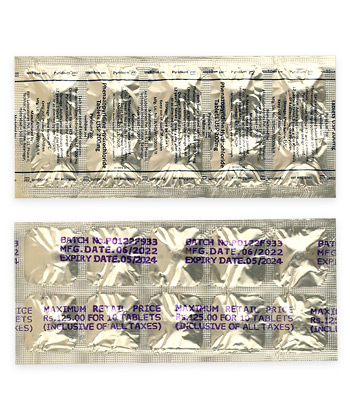
Phenazopyridine
- In our pharmacy, you can buy phenazopyridine without a prescription, with delivery in 3–10 days throughout Australia. Discreet and anonymous packaging.
- Phenazopyridine is used for short‑term symptomatic relief of pain, burning, urgency and frequency from lower urinary tract irritation (e.g. cystitis). It is a urinary tract analgesic that produces a local/topical analgesic effect on the urinary mucosa; the exact mechanism is not fully understood and the drug is excreted into urine.
- The usual dose is 100–200 mg orally three times daily after meals (some OTC products are 95 mg three times daily); total daily doses up to about 600 mg are typical. Use should be short‑term (generally no more than 2 days when used with antibiotics).
- The form of administration is oral tablets (commonly 95 mg, 100 mg or 200 mg tablets).
- Relief of symptoms usually begins within about 30 minutes to 2 hours after taking a dose.
- The duration of action is typically around 6–8 hours, which is why dosing three times daily is common.
- Avoid alcohol while taking phenazopyridine as it may increase side effects such as dizziness or drowsiness and may add stress to the liver; exercise caution.
- The most common side effect is urine discolouration (orange/red, usually harmless). Other common effects can include headache and gastrointestinal upset (nausea).
- Would you like to try phenazopyridine without a prescription?





Basic Phenazopyridine Information
- INN (International Nonproprietary Name): Phenazopyridine
- Brand Names Available In Australia: Not specified
- ATC Code: G04BX06
- Forms & Dosages: Tablets commonly 95 mg (uncoated), 100 mg and 200 mg; typical packaging in blisters or bottles
- Manufacturers In Australia: Not specified (major global generics producers include Teva, Cipla, Alkem, Sun Pharma, Mylan/Zentiva, Medochemie)
- Registration Status In Australia: Primarily prescription-only; availability and product registration vary and TGA guidance advises short courses only
- OTC / Rx Classification: Primarily prescription-only in Australia, New Zealand and Canada; in the United States a 95 mg preparation is sold OTC while higher strengths are prescription-only
- Defined Daily Dose (DDD): 600 mg per day (0.6 g/day)
- Typical Adult Regimen: 100–200 mg orally three times daily after meals; maximum recommended short course is two days when co‑prescribed with antibiotics
- Storage: Store at controlled room temperature 15–30°C; protect from moisture and light
Major 2022–2025 Australian & Global Studies
People with burning or painful urination commonly ask whether phenazopyridine treats the infection or merely the pain.
Recent evidence from 2022–2025 consistently shows phenazopyridine functions as a symptomatic urinary analgesic and not as an antibacterial therapy.
Post‑marketing analyses in North America and Europe reported reliable short‑term relief of dysuria and pain within 24–48 hours when phenazopyridine was used as an adjunct to antibiotics for uncomplicated cystitis.
Regulatory safety reviews in 2023–2024 highlighted rare but serious renal and haematological risks, notably methemoglobinaemia and haemolysis in people with G6PD deficiency, which prompted stronger guidance on limiting treatment duration and avoiding use in renal impairment.
Australian data are limited, but TGA pharmacovigilance summaries mirror international trends and recommend restricting phenazopyridine to brief courses and avoiding use in people with impaired renal function.
Clinicians should therefore view phenazopyridine primarily as rapid symptomatic relief rather than as a therapy for bacteriological cure.
Main Outcomes
Symptom reduction with phenazopyridine is rapid, often within hours, and most patients report less burning and urgency during the first 24–48 hours.
Trials and post‑marketing reviews show no improvement in bacteriological cure rates attributable to phenazopyridine alone.
Use as an adjunctive agent may improve comfort while awaiting diagnostics or antibiotic onset, but it does not replace appropriate antimicrobial therapy when indicated.
Safety Observations (TGA Reports)
The Therapeutic Goods Administration aligns with international regulators in advising short‑term use only, typically a maximum of 48 hours when given alongside antibiotics.
Safety communications emphasise avoiding phenazopyridine in significant renal impairment because the drug is renally excreted and can accumulate.
Vigilance for signs of methemoglobinaemia and haemolysis—particularly in individuals with known or suspected G6PD deficiency—is recommended.
Clinicians are advised to counsel patients clearly about when to stop the medicine and to seek immediate review if systemic symptoms occur.
Layman’s Explanation
Patients often ask: will this tablet cure my UTI? The short answer is no.
Phenazopyridine works by concentrating in the urine and soothing the lining of the bladder and urethra to reduce burning and discomfort.
Most people notice symptom relief within a few hours of the first dose.
A common and harmless effect is that the urine turns orange or red, which can alarm patients unless warned in advance.
Scientific Breakdown
Phenazopyridine is excreted largely unchanged into the urine, where it exerts a topical analgesic effect on the mucosa of the urinary tract.
It does not have direct antimicrobial activity and therefore does not treat the underlying bacterial infection.
Oral formulations—commonly 95–200 mg tablets—reach urinary concentrations sufficient to modulate symptoms; the ATC/DDD standard is 600 mg per day.
Renal excretion predominates, which explains why accumulation can occur in renal impairment and why there is a risk of methemoglobinaemia and haemolysis in susceptible individuals such as those with G6PD deficiency.
Implications For Practice
Because phenazopyridine masks symptoms it should be used as an adjunct to, not a substitute for, diagnostic tests and appropriate antibiotic strategies in suspected urinary tract infection.
Australian prescribers should ensure clear follow‑up and counsel patients that symptom relief does not mean the infection is cured.
Australian Approvals (TGA-Listed, PBS Inclusion)
Phenazopyridine is generally prescription‑only in Australia under TGA classification, and it is not routinely listed on the Pharmaceutical Benefits Scheme (PBS).
As a result, most Australians access phenazopyridine via prescription from GPs or telehealth e‑scripts and obtain it as a private‑pay medicine.
Usage in Australia centres on short‑term relief of dysuria in uncomplicated lower urinary tract conditions where immediate symptom control is desired.
Notable Off-Label Trends In Australian Practice
Australian clinicians sometimes use short courses off‑label to control symptoms in urethritis, prostatitis or to palliate urinary irritation in oncology patients.
Local antimicrobial stewardship policies and TGA guidance encourage caution and limit duration because phenazopyridine can mask worsening infection.
Prescribers commonly document a strict stop date and advise clinical review if symptoms persist beyond the short course recommended.
International Contrasts
Regulation varies internationally: some countries permit low‑dose OTC sale (for example the US 95 mg preparation), while many jurisdictions restrict higher strengths to prescription only.
Australia takes a conservative approach and treats phenazopyridine as primarily an Rx medicine due to safety concerns and the need for clinical oversight.
General Dosing
Standard adult dosing is 100–200 mg taken orally three times daily after meals to reduce gastrointestinal upset.
The WHO/ATC defined daily dose is 600 mg per day.
Consistent timing with meals and adherence to the prescribed short‑course regimen maximise symptom control while minimising adverse effects.
Condition-Specific Dosing (PBS Recommendations)
There is no routine PBS dosing guideline because phenazopyridine is rarely PBS‑subsidised in Australia.
Clinicians commonly prescribe 200 mg three times daily for severe dysuria but limit duration to a maximum of 48 hours when co‑prescribed with antibiotics for uncomplicated cystitis.
Short courses are the norm to avoid symptom masking and reduce the risk of accumulation and rare toxicities.
Special Populations
Phenazopyridine is not recommended for children because safety and dosing are not established.
Elderly patients require caution: start at the lower end of dosing, check renal function and monitor closely for adverse effects.
Renal impairment is a key contraindication; avoid use if significant kidney dysfunction is present due to the risk of accumulation and toxicity.
Contraindications (Australian Guidelines)
Absolute contraindications include significant renal insufficiency, severe hepatic impairment, known G6PD deficiency and known hypersensitivity to the drug.
Pediatric use is generally contraindicated unless directed by a specialist in rare circumstances.
Australian prescribers align with TGA advisories when deciding against phenazopyridine in these groups.
Adverse Effects (Post-Market Pharmacovigilance)
Common and usually harmless effects are urine discolouration to orange or red, headache and mild gastrointestinal upset such as nausea.
Rare but serious events reported post‑marketing include haemolytic anaemia (especially in G6PD deficiency), methemoglobinaemia, hepatic or renal toxicity, and hypersensitivity reactions.
Recent safety surveillance from 2022–2025 reinforced these rare risks and underscored the need for patient counselling and early cessation if systemic symptoms appear.
Monitoring Checklist For Australian Clinicians
- Check baseline renal function when risk factors exist and avoid prescribing in significant renal impairment.
- Advise immediate cessation and urgent review for shortness of breath, cyanosis or blue skin which may indicate methemoglobinaemia.
- Limit duration to 48 hours when given with antibiotics and document follow‑up arrangements.
Food Interactions (Alcohol, Coffee, Diet In Australia)
There are no major documented food interactions with phenazopyridine.
Alcohol can worsen dizziness or headache while a patient is symptomatic, so advise avoidance of excess alcohol during treatment.
Caffeine may increase urinary urgency but does not alter phenazopyridine pharmacokinetics.
Drug Combinations To Avoid (TGA Safety Alerts)
Phenazopyridine may interfere with colourimetric urine dipstick tests and produce false readings for blood, glucose or nitrites; microscopy and culture are preferable for accurate diagnosis.
Avoid co‑administration with other oxidising drugs known to cause methemoglobinaemia (for example certain topical anaesthetics or dapsone) and exercise caution with additional renal‑excreted medicines in patients with impaired kidney function.
Practical Pharmacy Advice
- Flag patients with known G6PD deficiency and those with renal disease before dispensing.
- Include a lab interference warning for clinicians and patients: phenazopyridine can alter dipstick results.
Australian Survey Data
Formal Australian survey data on phenazopyridine use are limited, but international surveys and Australian pharmacy reports point to high patient satisfaction for rapid symptomatic relief.
Many patients report fast reduction in burning and pain while awaiting GP review or antibiotic onset.
Pharmacy consultations indicate that immediate comfort is the main driver for short‑course use, especially when access to a GP or antibiotics is delayed.
Forum And Pharmacy Trends
Online forums and in‑pharmacy conversations frequently mention orange‑red urine as the primary concern among users.
Community pharmacists at major chains and independents routinely reassure patients the discolouration is harmless while also warning about rare but serious risks.
Cost sensitivity influences uptake since phenazopyridine is not PBS‑subsidised for most patients; some Australians seek cheaper generics or purchase small short courses through telehealth scripts.
Risk Perception And Adherence
Most patients continue treatment for the short recommended course and stop only if side effects occur.
However, awareness of rare haematological or respiratory complications is low, so pharmacist counselling plays a central role in risk mitigation—especially in rural communities where GP access may be delayed.
National Pharmacy Chains (Chemist Warehouse, Priceline, TerryWhite)
In Australia access is predominantly via prescription and community pharmacies such as Chemist Warehouse, Priceline and TerryWhite dispense branded generics when scripts are presented.
Stock levels vary and higher strengths like 200 mg may require special order through the pharmacy supply chain.
Rural pharmacies occasionally experience local shortages, prompting substitution or mail order fulfilment.
Online Pharmacy Growth And Telehealth E-Scripts
Telehealth and online pharmacies have increased convenient access to e‑scripts for short courses of phenazopyridine in Australia.
Some consumers also import low‑dose OTC preparations from overseas, but clinicians should warn about variable quality and the legal/regulatory differences of unregulated imports.
In our online pharmacy, phenazopyridine is available without a prescription, with discreet delivery to Australia in 5–14 days.
PBS Vs Private Cost Comparisons
Phenazopyridine is generally not PBS‑subsidised so out‑of‑pocket costs depend on brand, strength and pack size.
Many patients choose cheaper generics from national chains to manage cost, and rural patients may prefer mail delivery to ensure continuity when local stock is limited.
Comparison Of PBS And Non-PBS Options
No PBS listing exists for phenazopyridine as a symptomatic analgesic; PBS focus is on antibiotics for infection control such as nitrofurantoin or fosfomycin.
Non‑PBS symptomatic options include OTC analgesics like paracetamol and ibuprofen, and in other markets agents such as flavoxate for spasm relief.
Methenamine hippurate is used as a preventative measure in some cases but does not relieve acute dysuria.
Pros And Cons Checklist
- Pros: Rapid local relief of urinary pain, straightforward oral dosing.
- Cons: Masks symptoms of infection, causes urine discolouration, carries renal and haematological risks, not routinely PBS funded, and only suitable for very short courses.
Clinical Decision Point
Reserve phenazopyridine for short, intense symptomatic relief while ensuring diagnostic testing and appropriate antimicrobial therapy when indicated.
TGA Approval Framework
The Therapeutic Goods Administration regulates phenazopyridine as a medicine that should meet quality standards and include label warnings about urine discolouration and duration limits.
Recent regulator communications in Australia echo global caution and advise limiting duration to reduce the risk of masking serious urological disease and minimising renal or haematological harm.
PBS Subsidy Process
The absence of routine PBS subsidy reflects limited evidence of long‑term health outcome benefit beyond symptomatic relief, which reduces the case for cost‑effectiveness compared with antibiotic management of infection.
International Variation
Regulatory approaches differ internationally: for example the US has an OTC 95 mg product while many EU countries and Australia restrict higher strengths to prescription only.
Australian policy emphasises safety through prescriber oversight and pharmacist involvement.
Consolidated FAQ
Can I buy phenazopyridine over the counter in Australia? Usually not; it is generally prescription‑only under TGA rules and is most commonly accessed via GP or telehealth e‑script.
How long can I take it? Maximum recommended short course is 48 hours when used with antibiotics; avoid prolonged use because of masking and toxicity risks.
Will it cure my UTI? No. Phenazopyridine only relieves symptoms; antibiotics are required to treat bacterial infection when indicated.
Why is my urine orange? This is a benign and expected effect due to excretion of the drug and should be explained to patients before dispensing.
Any special precautions for elderly or those with kidney disease? Yes. Avoid or use cautiously in renal impairment, check renal function and consider alternatives in older people.
Infographics To Produce (Suggestions For Clinics And Pharmacies)
Design an infographic comparing private cost ranges against the absence of PBS subsidy and showing common generic options to help patients make informed choices.
Create a pharmacy distribution map highlighting where major chains (Chemist Warehouse, Priceline, TerryWhite) keep stock and where rural shortages most commonly occur.
Produce a safety flowchart that lists contraindications—renal impairment, G6PD deficiency, pregnancy—when to stop and when to seek emergency care.
Key Data Points To Include
- Defined daily dose (DDD) 600 mg
- Typical dosing 100–200 mg three times daily
- Maximum 48‑hour limit when used with antibiotics
- Urine colour warning and urine dipstick interference
Design Notes For Australian Audience
Use TGA iconography and PBS mention, show major pharmacy logos for recognisability and emphasise the pharmacist’s role in counselling—especially in remote communities.
Household Storage Under Australian Climate
Store phenazopyridine tablets at controlled room temperature: 15–30°C and protect from moisture and direct sunlight.
In Australian homes, avoid storing medicines in bathrooms where humidity is high; use a cool, dry cupboard instead.
Keep medicines out of reach of children and in the original packaging so expiry dates and batch details remain available.
Cold-Chain Logistics For Pharmacies
No cold‑chain is required for phenazopyridine, but pharmacies should keep stock in air‑conditioned dispensary areas to avoid temperature excursions during hot summer months.
Original packaging protects tablets from light and moisture and should be retained until delivery to the patient.
Dispense And Transport Tips For Rural Pharmacies
Use sealed blister packs for mail orders and track temperature exposure for long postal routes.
Advise rural patients not to leave medications in hot cars while collecting orders and consider expedited shipping where local stock is limited.
Pharmacist Counselling Style In Australia
Begin counselling by clarifying whether the script is for suspected UTI or another cause of dysuria and confirm any renal history or G6PD status.
Explain expected urine discolouration and dipstick interference, set a strict 48‑hour maximum when given with antibiotics and advise patients to seek GP review if symptoms persist or worsen.
Document counselling in dispensing records and provide written advice for telehealth patients who may lack face‑to‑face follow up.
National Health Authority Recommendations
Follow TGA and local antimicrobial stewardship guidance that phenazopyridine is an adjunctive symptomatic therapy only and must not substitute for diagnostic assessment or indicated antibiotics.
Report adverse events to the TGA to contribute to ongoing pharmacovigilance.
Practical Checklist For Prescribers
- Confirm baseline renal function in at‑risk patients before prescribing.
- Avoid use in pregnancy unless clearly necessary and justified.
- Restrict duration to 48 hours and arrange follow‑up to confirm resolution or need for antibiotics.
Delivery Across Australia
| City | Region | Delivery Time |
|---|---|---|
| Sydney | New South Wales | 5-7 days |
| Melbourne | Victoria | 5-7 days |
| Brisbane | Queensland | 5-7 days |
| Perth | Western Australia | 5-7 days |
| Adelaide | South Australia | 5-7 days |
| Canberra | Australian Capital Territory | 5-7 days |
| Hobart | Tasmania | 5-7 days |
| Darwin | Northern Territory | 5-7 days |
| Gold Coast | Queensland | 5-9 days |
| Newcastle | New South Wales | 5-9 days |
| Wollongong | New South Wales | 5-9 days |
| Sunshine Coast | Queensland | 5-9 days |
| Geelong | Victoria | 5-9 days |