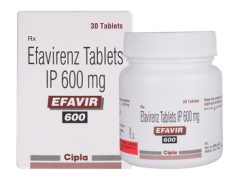
HIV (Human Immunodeficiency Virus) is a virus that weakens the immune system by attacking CD4 cells, which are crucial for fighting infections and diseases. Modern antiretroviral therapy (ART) has transformed HIV from a life-threatening condition into a manageable chronic disease. When taken consistently, HIV medications can reduce viral loads to undetectable levels, allowing people with HIV to live long, healthy lives and preventing transmission to others.
Treatment with antiretroviral drugs works by blocking the virus at different stages of its lifecycle. The goal of HIV therapy is to suppress the viral load to below detectable limits, which protects the immune system and prevents disease progression. Starting treatment early after diagnosis significantly improves health outcomes and quality of life for people living with HIV.
Australia has excellent access to HIV medications through the Pharmaceutical Benefits Scheme (PBS), making treatment affordable and accessible for all Australians. Regular monitoring through blood tests helps doctors track viral loads and CD4 counts to ensure treatment effectiveness.
Several classes of antiretroviral drugs are available in Australia, each working in different ways to combat HIV. The most commonly prescribed medications include reverse transcriptase inhibitors, protease inhibitors, and integrase inhibitors.
These medications are typically prescribed as part of a complete treatment plan supervised by HIV specialist doctors. The specific combination chosen depends on individual factors including viral load, CD4 count, other health conditions, and potential drug interactions.
Pre-Exposure Prophylaxis, known as PrEP, is a preventative medication taken by HIV-negative people at significant risk of contracting HIV. PrEP dramatically reduces the risk of HIV transmission when taken consistently as prescribed.
The most common PrEP medication available in Australia is Truvada (tenofovir/emtricitabine), which is taken once daily. Research has shown that when taken as directed, PrEP is more than 99 per cent effective at preventing HIV transmission through sexual contact.
PrEP is particularly recommended for people with HIV-positive partners, those with multiple sexual partners, and people who engage in receptive anal intercourse without consistent condom use. It's also valuable for people who inject drugs and share needles or equipment.
To access PrEP in Australia, individuals should consult with their general practitioner or visit a sexual health clinic. Healthcare providers will assess individual risk factors and conduct baseline testing to ensure PrEP is appropriate. Regular monitoring is essential, including HIV tests every three months and kidney function checks.
PrEP works best as part of a comprehensive prevention strategy that also includes safe sex practices, regular STI testing, and open communication with sexual partners about HIV status and prevention methods.
Post-Exposure Prophylaxis, or PEP, is an emergency medication taken after potential HIV exposure to prevent infection. PEP must be started as soon as possible after exposure—ideally within two hours and no later than 72 hours—to be most effective.
PEP typically involves taking a combination of antiretroviral medications for 28 days. Common PEP regimens include combinations of nucleoside reverse transcriptase inhibitors with either a protease inhibitor or an integrase inhibitor.
Situations where PEP might be recommended include unprotected sexual contact with an HIV-positive partner, condom breakage during sex, needlestick injuries in healthcare settings, or sharing injection equipment with someone of unknown HIV status.
If you believe you've been exposed to HIV, seek medical attention immediately at your nearest emergency department, sexual health clinic, or general practitioner. They can assess your specific situation and determine whether PEP is appropriate and provide the necessary medication.
PEP is subsidised through the PBS in Australia, making it accessible to those who need it. Adherence to the full 28-day course is crucial for effectiveness. Follow-up testing at four to six weeks and again at three months after PEP completion is necessary to confirm that HIV infection has not occurred.
Modern HIV treatment allows people to live full, healthy lives with proper medical care and support. With undetectable viral loads, people with HIV have a normal life expectancy and cannot sexually transmit HIV to others—a concept known as "U=U" (undetectable equals untransmittable).
Successful HIV management requires consistent medication adherence, regular medical appointments, and ongoing monitoring of CD4 counts and viral loads. Many people living with HIV work with HIV specialist doctors, nurses, and counsellors to optimise their health outcomes.
Maintaining overall wellness involves regular exercise, healthy nutrition, stress management, and avoiding smoking and excessive alcohol consumption. These lifestyle factors significantly contribute to better immune function and quality of life.
Support services are available throughout Australia, including counselling, mental health support, and community organisations that provide peer support and education. Many people find connecting with others living with HIV valuable for emotional support and practical information sharing.
It's important to disclose your HIV status to healthcare providers to ensure appropriate care and avoid potential drug interactions. However, you have the right to privacy regarding your status, and discrimination based on HIV status is illegal in Australia.
Australia provides comprehensive HIV services through public hospitals, sexual health clinics, and specialised HIV centres. The NHS covers HIV testing, treatment, and monitoring for all Australian residents, with medications subsidised through the PBS.
Sexual health clinics throughout Australia offer confidential HIV testing, counselling, and treatment. Your general practitioner can also arrange HIV testing and provide referrals to specialist services if needed.
Major cities have dedicated HIV clinics staffed by specialists experienced in HIV care. These centres provide comprehensive services including medical management, counselling, and connection to support services.
Telephone hotlines and online resources provide confidential information about HIV, testing, and services. Community organisations offer peer support groups, educational workshops, and social activities for people living with HIV.
Testing is free and confidential, and results can be obtained quickly through modern rapid testing technologies. Knowing your status is the first step toward health and prevention.