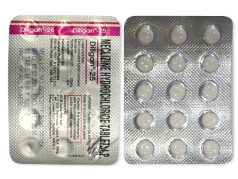
Motion sickness occurs when there's a conflict between the motion your eyes see and the motion your inner ear senses. This disconnect confuses your brain and can trigger uncomfortable symptoms like nausea, dizziness, and vomiting. Motion sickness commonly affects people during car travel, flights, boat journeys, and train rides. Some individuals are more susceptible than others, with factors like age, anxiety, and previous experiences playing a role. Children aged 2 to 12 years old tend to experience motion sickness more frequently than adults. The condition isn't dangerous, but it can significantly impact your comfort during travel. Understanding the causes helps you take preventative measures before symptoms develop.
The symptoms of motion sickness typically begin with a feeling of unease and progress to more noticeable discomfort. Early signs include dizziness, headache, and mild nausea. As the condition worsens, you might experience cold sweats, fatigue, and difficulty concentrating. In severe cases, vomiting can occur, leaving you feeling exhausted and dehydrated. Most people start feeling better once the motion stops, though some lingering effects may persist.
Certain situations increase your likelihood of experiencing symptoms, including reading whilst travelling, sitting in the middle of a vehicle, or focusing on nearby objects. If symptoms are severe or accompanied by other concerning signs, it's wise to consult a healthcare professional. Prevention is always better than managing full-blown motion sickness once it develops.
Australia offers several effective over-the-counter options for managing motion sickness. Dramamine (dimenhydrinate) is one of the most popular choices, available in tablet form and typically taken 30 minutes before travel. Macleans motion sickness tablets contain dimenhydrinate and work similarly to Dramamine. Kwells is another well-known brand available at Australian pharmacies, offering quick relief through fast-dissolving tablets. These medications work by reducing signals to the brain that trigger nausea and vomiting. Stemetil (prochlorperazine) is sometimes recommended by pharmacists for moderate to severe cases.
Most of these tablets should be taken before symptoms appear for maximum effectiveness. Always read the packaging carefully, as drowsiness is a common side effect with many motion sickness medications. Children's formulations are also available, though age-appropriate dosing is essential. Some people prefer non-medication approaches alongside these options for better results.
Many Australians prefer exploring natural alternatives before turning to medication. Ginger is one of the most researched natural remedies, with studies suggesting it can reduce nausea and dizziness. Ginger supplements, ginger biscuits, or ginger tea are readily available and can be consumed before travel. Peppermint is another popular option, often available as lozenges or essential oils, which can help settle your stomach.
Acupressure bands are wristbands with a small button that applies pressure to a specific point on your wrist believed to reduce nausea. These bands are drug-free and suitable for all ages, making them popular with families. Fresh air and focused breathing techniques can significantly help manage symptoms during travel. Keeping your eyes fixed on a stable point on the horizon rather than nearby moving objects helps reduce the sensory conflict.
Staying hydrated and avoiding heavy meals before travel also contributes to prevention. Some people find that sitting in the driver's seat or front passenger seat reduces symptoms compared to sitting in the back.
Preventing motion sickness is more effective than treating it after symptoms appear. Start medication or natural remedies at least 30 minutes before travel begins. Choose your seating position carefully—drivers and front-seat passengers experience fewer symptoms than those in the back. Maintain good ventilation in your vehicle by opening windows or adjusting air conditioning.
Avoid reading, watching screens, or focusing on nearby objects during travel. Instead, look at distant, stationary objects or the horizon. Keep your body comfortable by adjusting your position and avoiding tight clothing around your stomach. Eat light meals several hours before travel, and avoid greasy or heavy foods. Stay hydrated by drinking water throughout your journey, but avoid excessive caffeine or alcohol.
For aeroplane travel, request seats over the wings where motion is minimal. For boat travel, stay on deck in fresh air when possible rather than below deck. Children often benefit from distraction through audio books or podcasts rather than visual entertainment.
Your local Australian pharmacist is an excellent resource for motion sickness management. They can recommend the most suitable medication based on your age, health conditions, and other medicines you're taking. If you experience severe or prolonged symptoms that don't improve with standard treatments, consult your GP. Certain medical conditions or medications can increase motion sickness risk or interact with over-the-counter remedies.
Pregnant women should speak with their healthcare provider before taking any motion sickness medication. People with glaucoma, urinary retention, or heart conditions need professional guidance before using antihistamine-based medications. If motion sickness significantly impacts your quality of life or travel plans, prescription options may be available. Your doctor might recommend stronger medications like scopolamine patches for extended travel.
Regular travellers experiencing consistent severe symptoms deserve professional assessment to rule out underlying vestibular issues. Pharmacists can also advise on combining approaches, such as using medication alongside natural remedies and prevention strategies for optimal results. Whether you're planning a short car trip or an extended holiday, speaking with a healthcare professional ensures you have the right support for comfortable travel throughout Australia and beyond.