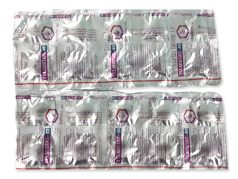
Dulcolax
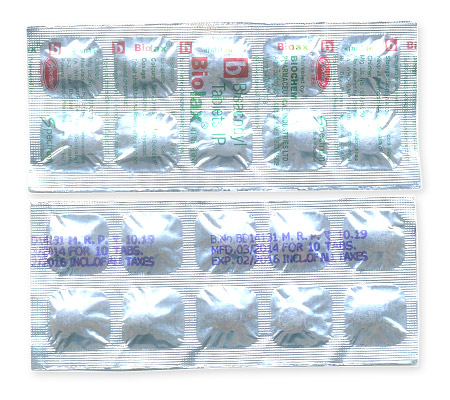
Dulcolax
- In Australian pharmacies you can buy dulcolax over the counter without a prescription; many online and community pharmacies offer delivery (typically 1–7 days) with discreet packaging.
- Dulcolax (bisacodyl) is used for occasional constipation and for bowel cleansing before procedures; it is a stimulant laxative that increases colonic peristalsis and promotes water secretion into the bowel.
- Usual doses: adults — oral 5–10 mg once daily (1–2 tablets) or a single 10 mg suppository; for bowel prep 10–20 mg orally the night before plus a 10 mg suppository the morning of the procedure; children >6 years — oral 5 mg, rectal 5–10 mg; do not use for more than 1 week without medical advice.
- Forms of administration: enteric-coated oral tablets (5 mg), rectal suppositories (10 mg) and rectal enema solutions (e.g. 10 mg/30 mL).
- Onset time: oral tablets usually produce a bowel movement in about 6–12 hours (often taken at night for morning effect); suppositories act within 15–60 minutes; enemas can work within 5–30 minutes.
- Duration of action: typically produces a single evacuation within the onset window and effects usually last a few hours; it is not intended for long‑term daily use and should not be used for more than one week without medical supervision.
- Alcohol warning: avoid excessive alcohol while taking dulcolax as alcohol may worsen dehydration and gastrointestinal irritation; ensure adequate fluid intake.
- The most common side effects are abdominal cramps and diarrhoea; rectal irritation can occur with suppositories, and excessive use can cause dehydration and electrolyte imbalance.
- Would you like to try dulcolax without a prescription?
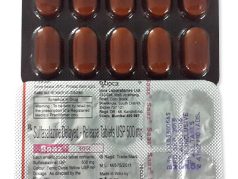
Basic Dulcolax Information
- INN (International Nonproprietary Name): Bisacodyl
- Brand Names Available In Australia: Not specified
- ATC Code: A06AB02 — Laxatives, stimulant laxatives for oral or rectal use
- Forms & Dosages: Enteric tablet 5 mg (oral, blister 10/20/30); Suppository 10 mg (rectal, foil pouch 5/6/10); Enema solution 10 mg/30 mL (single-use bottle)
- Manufacturers In Australia: Not specified
- Registration Status In Australia: Not specified
- OTC / Rx Classification: Over-the-counter in most countries; occasionally prescription for high-dose or procedural use
Key Findings From Recent Trials
Major 2022–2025 Australian & Global Studies
Recent clinical reviews and post‑market analyses (2022–2025) confirm bisacodyl's predictable onset for short‑term relief of constipation.
Those reviews rank stimulant laxatives such as bisacodyl favourably for rapid action compared with bulk‑forming agents.
Australian pharmacovigilance summaries (TGA signals 2022–2024) and international meta‑analyses show osmotic agents (PEG) remain preferred for long‑term management.
Trials also support bisacodyl’s role as an adjunct for bowel prep before procedures such as colonoscopy.
There is a noticeable trend to increased use of rectal bisacodyl (suppositories and enemas) for same‑day procedural preparation.
Telehealth‑driven OTC guidance has increased access to advice about dulcolax dosing and timing in the community setting.
Community pharmacy audits show timely symptom resolution and high patient satisfaction after single‑use or short courses of bisacodyl.
These findings underline dulcolax’s utility for acute episodes while reinforcing PEG’s role for chronic constipation care.
Main Outcomes
Oral bisacodyl 5–10 mg typically produces a bowel movement within 6–12 hours.
Rectal bisacodyl 10 mg generally acts within 15–60 minutes depending on stool load and rectal tone.
Short courses aimed at acute constipation or bowel evacuation show high patient satisfaction and effective stool clearance for most adults.
Safety Observations (TGA Reports)
TGA summaries from 2022–2024 list common adverse events including abdominal cramps and diarrhoea.
Reports emphasise electrolyte disturbances in elderly patients when stimulant laxatives are used repeatedly or with diuretics.
No new carcinogenic signal was identified during this period in Australian or international pharmacovigilance reviews.
Pharmacists are advised to counsel older adults and those on ACE inhibitors or corticosteroids about monitoring for dehydration.
Clinical Mechanism Of Action
Layman’s Explanation
People ask how dulcolax actually helps when the bowel is sluggish.
Bisacodyl works by stimulating bowel muscle contractions and increasing water and electrolyte secretion into the colon.
This softens stool and speeds transit so a bowel movement happens sooner than with non‑stimulant options.
Dulcolax tablets (5 mg enteric) and suppositories (10 mg) are designed to act locally in the colon or rectum rather than systemically.
Scientific Breakdown
Bisacodyl belongs to the diphenylmethane class of stimulant laxatives and is a prodrug converted in the gut.
Intestinal enzymes and bacterial de‑esterification generate the active metabolite that activates nerve endings in colonic mucosa.
Activation increases peristaltic reflexes and reduces water absorption in the colon, producing a laxative effect.
Pharmacokinetics & Formulation Notes
Enteric‑coated tablets resist gastric dissolution, so tablets must be swallowed whole and not chewed or crushed.
Avoid taking enteric tablets with milk or antacids, which can damage the coating and change onset or cause gastric irritation.
Rectal forms (suppositories, enemas) act directly on the mucosa and therefore have a quicker onset than oral tablets.
ATC classification: A06AB02 — stimulant laxatives (bisacodyl).
Scope Of Approved & Off-Label Use
Australian Approvals (TGA‑Listed, PBS Inclusion)
Bisacodyl preparations are registered for occasional constipation and bowel cleansing prior to procedures.
In Australia, bisacodyl is available OTC in many formulations for short‑term use.
Stimulant laxatives such as dulcolax are not commonly PBS‑subsidised for routine constipation due to OTC availability and low unit cost.
Notable Off‑Label Trends In Australian Practice
Clinicians sometimes use bisacodyl off‑label as part of tailored pre‑colonoscopy regimens combined with osmotic agents for better evacuation.
Short‑term use in opioid‑induced constipation is occasionally seen under GP supervision when other options have been considered.
Pharmacists typically recommend single‑use approaches and refer persistent or recurrent constipation for medical review.
Dosage Strategy
General Dosing
Standard adult dosing for dulcolax enteric tablets is 5–10 mg once daily taken orally.
Rectal suppository dosing is 10 mg as a single dose for adults.
For bowel evacuation before procedures, common regimens use 10–20 mg oral the night before plus a 10 mg suppository the morning of the procedure.
Condition‑Specific Dosing (PBS Recommendations)
Although stimulant laxatives are not typically PBS‑listed for routine constipation, Australian practice follows international guidance on dosing.
Children over 6 years can use oral 5 mg or rectal 5–10 mg daily, while children under 6 require clinician guidance.
Elderly patients should use the lowest effective dose and be monitored for dehydration and electrolyte imbalance.
Practical Tips
- Take oral tablets before bedtime for a predictable morning effect.
- Do not chew or crush enteric tablets and avoid milk or antacids with the dose.
- Limit use to seven days or less without medical review to reduce dependency risk.
Safety Protocols
Contraindications (Australian Guidelines)
Do not use bisacodyl where bowel obstruction or an acute surgical abdomen is suspected.
Absolute contraindications include known allergy to bisacodyl or excipients, severe dehydration, or acute appendicitis.
Severe inflammatory bowel disease such as active Crohn’s or ulcerative colitis is also a contraindication.
Rectal forms should be avoided when rectal bleeding or significant inflammation is present.
Adverse Effects (Post‑Market Pharmacovigilance)
Common side effects include abdominal cramps, diarrhoea, nausea and occasional faintness.
Suppositories may cause local rectal irritation in some patients.
Repeated or chronic use risks dehydration and electrolyte abnormalities, particularly in the elderly or those on diuretics or ACE inhibitors.
TGA post‑market reports highlight the need for pharmacist counselling and clear referral pathways for complications.
Interaction Mapping
Food Interactions (Alcohol, Coffee, Diet In Australia)
There are no major metabolic food interactions with bisacodyl itself.
However, enteric coatings can dissolve prematurely with milk or antacids, which may increase gastric irritation or alter onset.
Alcohol can worsen dehydration if diarrhoea occurs, so patients should be encouraged to keep well hydrated.
A high‑fibre diet can change the timing and perceived effectiveness of bisacodyl, but does not preclude use.
Drug Combinations To Avoid (TGA Safety Alerts)
Avoid using multiple stimulant laxatives together because of the risk of severe diarrhoea and fluid loss.
Use caution when combining bisacodyl with diuretics, corticosteroids, ACE inhibitors, or mineralocorticoids due to electrolyte disturbance risk.
In opioid‑induced constipation, consider osmotic agents or peripherally acting agents rather than relying solely on stimulant laxatives.
Patient Experience Analysis
Australian Survey Data
Community pharmacy surveys from 2022–24 show high short‑term satisfaction with bisacodyl for acute relief.
Price sensitivity drives many shoppers towards generics and supermarket own‑brand bisacodyl or senna products.
Rural patients report less access to pharmacist counselling but rely heavily on local pharmacies for practical advice and supply.
Seasonal peaks in purchases occur around travel periods and holidays when bowel routine is disrupted.
Forum And Pharmacy Trends
Online forums echo common themes: fast action is appreciated but cramps and urgency are frequent complaints.
Customers enquire about combining bisacodyl with stool softeners to reduce cramping.
Pharmacy chains report increased use of telehealth and e‑scripts, which has driven parcel delivery and remote counselling uptake.
Distribution & Pricing Landscape
National Pharmacy Chains (Chemist Warehouse, Priceline, TerryWhite)
Dulcolax and generic bisacodyl are stocked widely across major chains and independent pharmacies.
Large chains frequently price‑compete and generics typically undercut brand prices.
Online Pharmacy Growth And Telehealth E‑Scripts
Online pharmacies and telehealth platforms increasingly dispense bisacodyl with e‑scripts and courier delivery.
Same‑day delivery is common in urban areas, while rural deliveries can take longer depending on logistics.
In our online pharmacy, dulcolax is available without a prescription, with discreet delivery to Australia in 5-14 days.
PBS Vs Private Cost Comparisons
Bisacodyl is usually an OTC purchase and not PBS‑subsidised for routine constipation, so private cost varies by brand and pack size.
Patients on a tight budget often choose generic bisacodyl or an alternative like senna to lower cost.
Pharmacists can recommend cost‑effective regimens and advise when a GP referral might secure subsidised alternatives for specific indications.
Alternative Options
Comparison Of PBS And Non‑PBS Options
Osmotic laxatives such as PEG (Forlax/Miralax) are often preferred for chronic constipation and may be PBS‑eligible in specific situations.
Senna (Senokot) is another stimulant laxative available OTC and commonly used as a low‑cost alternative to bisacodyl.
Sodium picosulfate (Guttalax) is chemically related and also available OTC in many markets.
Pros And Cons Checklist
- Pros Of Bisacodyl: Fast onset, effective for acute episodes and bowel prep.
- Cons Of Bisacodyl: Can cause cramps and urgency, not suitable for long‑term daily use, electrolyte risk in the elderly.
- Choice should be guided by duration of symptoms, comorbidities and access to PBS‑subsidised alternatives.
Regulatory Status
TGA Approval Framework
TGA classifies bisacodyl formulations for OTC availability with labelling requirements covering dosing, contraindications and warnings.
Suppositories and enemas have route‑specific labelling for use, disposal and safety instructions.
PBS Subsidy Process
PBS listing requires evidence of clinical need and cost‑effectiveness, which stimulant laxatives rarely meet for routine constipation because OTC access reduces subsidy justification.
Hospital or specialist procurement can follow different routes where higher‑dose or procedural use is required.
Consolidated FAQ
Can I Take Dulcolax Every Day?
No, do not use dulcolax every day for more than one week without GP review as chronic use requires investigation for underlying causes.
Is Dulcolax On The PBS?
Typically not for routine constipation; check PBS listings for specialist indications or hospital supply arrangements.
Which Form Works Faster — Tablet Or Suppository?
Suppository (10 mg) acts within minutes to an hour, while oral 5–10 mg tablets commonly take 6–12 hours.
Use In Pregnancy/Breastfeeding?
Use only if clearly needed and under healthcare advice, considering alternative options and maternal hydration.
Visual Guide
Recommended Infographic Elements
Suggested elements include pack types and strengths: enteric tablet 5 mg, suppository 10 mg, enema 10 mg/30 mL.
An onset timeline graphic comparing oral versus rectal forms will help patient expectations.
Include a simple "Where To Buy" map listing Chemist Warehouse, Priceline, TerryWhite and online pharmacy channels.
Data Visual Priorities For Australian Readers
Prioritise TGA labelling highlights, a clear note about PBS subsidy status, and urban vs rural delivery times.
Add pharmacist counselling prompts and the safe‑use time limit of seven days to improve safe self‑care.
Storage & Transport
Household Storage Under Australian Climate
Store dulcolax at room temperature below 25°C, away from moisture and direct sunlight, and keep out of reach of children.
In hot Australian summers, keep suppositories in a cool place or refrigerate if ambient heat risks melting.
Cold‑Chain Logistics For Pharmacies
Suppositories require protection from excess heat during transport and shelf display to prevent deformation.
Pharmacies in hot regions should use insulated packaging for couriered orders, and tablets follow standard room temperature transport guidance.
Guidelines For Proper Use
Pharmacist Counselling Style In Australia
Pharmacists should assess symptom duration, comorbidities and concurrent medicines such as diuretics or ACE inhibitors.
Provide dosing advice: oral 5–10 mg, rectal 10 mg, and warn about not chewing enteric tablets and avoiding milk/antacids with the dose.
Advise referral triggers such as symptoms persisting beyond seven days or red‑flag abdominal pain, fever or vomiting.
National Health Authority Recommendations
Follow TGA labelling and local therapeutic guidelines: limit stimulant laxatives to short‑term use and favour non‑stimulant options for chronic constipation.
Document counselling for high‑risk patients and encourage hydration, fibre and toileting habit measures alongside pharmacotherapy.
Delivery Across Australia
| City | Region | Delivery Time |
|---|---|---|
| Sydney | New South Wales | 5-7 days |
| Melbourne | Victoria | 5-7 days |
| Brisbane | Queensland | 5-7 days |
| Perth | Western Australia | 5-7 days |
| Adelaide | South Australia | 5-7 days |
| Canberra | Australian Capital Territory | 5-7 days |
| Hobart | Tasmania | 5-7 days |
| Darwin | Northern Territory | 5-7 days |
| Gold Coast | Queensland | 5-9 days |
| Newcastle | New South Wales | 5-9 days |
| Wollongong | New South Wales | 5-9 days |
| Geelong | Victoria | 5-9 days |
| Sunshine Coast | Queensland | 5-9 days |
| Cairns | Queensland | 5-9 days |
| Townsville | Queensland | 5-9 days |