
Fluconazole
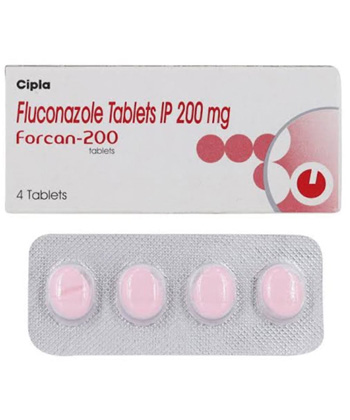
Fluconazole
- You can buy fluconazole from pharmacies in Australia, and in some settings it may be supplied without a prescription; however, it is generally a prescription-only medicine in most markets and should be used with pharmacist or doctor guidance.
- Fluconazole is an antifungal medicine used to treat and prevent infections caused by fungi, especially Candida and Cryptococcus species. It works by inhibiting fungal ergosterol synthesis, which weakens the fungal cell membrane and stops the infection from growing.
- The usual dose depends on the infection: vaginal candidiasis is often treated with a single 150 mg oral dose; oropharyngeal candidiasis with 100 mg daily; oesophageal candidiasis with 200–400 mg daily; and more serious infections may require 400–800 mg daily.
- Fluconazole is available as oral capsules/tablets, oral suspension, and intravenous solution or infusion.
- Fluconazole usually starts working within a few hours after taking it, but symptom improvement may take 1–3 days, depending on the type and severity of the fungal infection.
- Its duration of action is long, so it is usually taken once daily, and treatment courses may last from a single dose to several weeks, depending on the condition being treated.
- Avoid or limit alcohol while taking fluconazole, as alcohol can worsen side effects such as nausea, dizziness, and liver strain.
- The most common side effects are nausea, vomiting, abdominal pain, diarrhoea, rash, itching, and raised liver enzymes.
- Would you like to try fluconazole without a prescription?



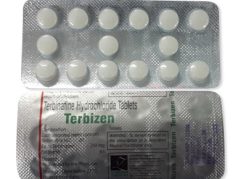
Basic Fluconazole Information
- INN (International Nonproprietary Name): Fluconazole.
- Brand Names Available In Australia: Diflucan, generic fluconazole products, and Australian-market generics such as Alphapharm; international brand examples include Fluconazole Teva and Fluconazole Zentiva.
- ATC Code: J02AC01.
- Forms & Dosages: Capsules/tablets 50 mg, 100 mg, 150 mg, 200 mg; oral suspension 10 mg/mL or 40 mg/mL; IV solution 2 mg/mL or 200 mg/100 mL; infusion vials 200 mg or 400 mg.
- Manufacturers In Australia: Alphapharm.
- Registration Status In Australia: Prescription only (Rx).
- OTC / Rx Classification: Prescription only (Rx) in nearly all markets.
Key Evidence And Trends In Fluconazole Use
Could fluconazole still be the go-to antifungal when resistance is getting more attention?
Recent clinical use has stayed strong because it remains a WHO-recognised INN, sits in ATC J02AC01, and is still on the WHO Essential Medicines List.
That matters in real practice, especially for Candida resistance trends, recurrent vulvovaginal candidiasis, and cryptococcal disease management.
Across 2022 to 2025, the main message from published experience has been practical rather than glamorous: fluconazole still dominates because it is taken once daily and has high oral bioavailability, so patients actually finish the course.
At the same time, clinicians are watching antifungal resistance more closely, particularly when symptoms keep coming back after fluconazole 150 mg single-dose treatment or when Candida species are less susceptible.
Australian relevance is clear in both community thrush care and hospital use for systemic Candida and Cryptococcus infections, where timely prescribing and stewardship matter.
Post-market safety signals continue to focus on liver enzymes, QT prolongation, and drug interactions rather than a new safety problem, so the medicine remains familiar but not casual.
For pharmacists, the trend is simple: fluconazole still has a major place, but recent studies have made careful diagnosis, repeat-prescription review, and resistance awareness part of everyday counselling.
What Fluconazole Does: Mechanism Of Action
Why does this antifungal work so well for yeast infections and some serious fungal disease?
Fluconazole is a triazole antifungal and a systemic antimycotic.
It inhibits fungal CYP450-dependent 14-alpha-demethylase, which blocks ergosterol synthesis and weakens the fungal cell membrane.
In plain language, the fungus loses a key building block in its outer shell, so it cannot stay stable or grow properly.
That is why it works against Candida species and Cryptococcus species, including in oral and IV forms.
The mechanism also explains its broad antifungal spectrum and why it remains a core yeast infection treatment in both community and hospital care.
Because the target is the fungal membrane pathway, fluconazole is not just masking symptoms; it is interrupting the organism’s ability to survive.
For many patients, that means a simple oral tablet can do the job without more complex treatment.
Approved Uses In Australia And Common Off-Label Patterns
What is fluconazole actually approved for, and when do doctors reach for it?
In Australia, fluconazole is used for vaginal candidiasis, oral thrush, oesophageal candidiasis, cryptococcal meningitis, and prophylaxis in selected patients.
It is a prescription-only medicine, and PBS access can make a real difference to affordability.
Typical adult dosing includes fluconazole 150 mg as a single dose for vaginal candidiasis, 100 mg daily for oropharyngeal candidiasis, 200 to 400 mg daily for oesophageal candidiasis, and 400 mg on day one then 200 to 400 mg daily for cryptococcal meningitis.
That predictable dosing is one reason fluconazole capsules remain common in Australian pharmacies.
Off-label use can happen in practice when clinicians treat recurrent or complicated Candida infection, but that should still be guided by diagnosis, local resistance patterns, and pharmacist screening for interactions.
For patients ordering online, a simple pharmacy counselling check still matters before a fluconazole thrush treatment is started.
Dosing Strategy And Dose Adjustments
How much should be taken, and what if kidney function is not normal?
Fluconazole dosing depends on the infection, the patient’s age, and renal function.
Adults commonly use once-daily dosing, while children are usually dosed at 6 to 12 mg/kg/day depending on the indication.
Vaginal candidiasis is often managed with a fluconazole 150 mg single dose, while oral and oesophageal candidiasis may need fluconazole 100 mg to fluconazole 200 mg or higher, depending on severity.
If a dose is missed, it should be taken when remembered unless the next dose is close; do not double up.
With renal impairment, dose adjustment is usually needed after the loading dose, because the medicine can accumulate.
Elderly patients generally use adult dosing, but renal monitoring is important.
Overdose is uncommon, but hallucinations, paranoia and ECG abnormalities have been reported, and supportive care with haemodialysis may be needed.
Pharmacist timing advice is straightforward: take it exactly as prescribed, not earlier, not later, and not in extra doses “just to be safe”.
Safety Profile, Contraindications And Monitoring
What should patients and prescribers watch for before starting fluconazole?
The main safety concerns are liver toxicity, QT prolongation, hypersensitivity, and pregnancy caution for high-dose or prolonged therapy.
Common fluconazole side effects include nausea, vomiting, abdominal pain, diarrhoea, rash, pruritus, and elevated liver enzymes.
Liver dysfunction needs caution because hepatotoxicity can occur, and patients with arrhythmia or known QT prolongation need careful review.
Severe QT-prolonging combinations should be avoided, especially when the patient is already on other risky medicines.
Pregnancy requires extra care, particularly for prolonged or high-dose courses.
In TGA-style pharmacovigilance terms, the important part is not panic, but sensible monitoring and prompt reporting of adverse effects.
If a patient develops jaundice, severe rash, palpitations, or marked dizziness, fluconazole should not be ignored as the possible cause.
Drug Interactions That Matter Most In Practice
Which medicines need a pharmacist’s attention straight away?
Cisapride and erythromycin are absolute red flags because of severe QT interaction risk.
Other QT-prolonging medicines also need review before fluconazole is supplied.
Pharmacists should screen for warfarin, some statins, antiarrhythmics and diabetes medicines where relevant, because interaction risk can be clinically meaningful.
This is where a simple medication review can prevent a very avoidable problem.
There is no classic food restriction, but GI irritation can make tablets less comfortable on an empty stomach for some people.
Alcohol does not have a famous “never mix” rule with fluconazole, but sensible advice is still to limit intake if the liver is already under strain or if nausea is present.
For Australian pharmacy counselling, the safest message is practical: tell the pharmacist everything else being taken, including over-the-counter products and supplements.
Patient Experience In Australia
What do Australians usually want when they come in for thrush treatment?
Most want something quick, simple, and affordable.
That is why the fluconazole 150 mg single-dose pack is so familiar at the counter.
In real-world Australian practice, pharmacists at Chemist Warehouse, Priceline and TerryWhite are often the first point of contact for minor thrush questions, especially where GP access is slower in rural areas.
Patients also show strong price sensitivity, so PBS medicine pricing and generic substitution matter a lot.
Convenience and adherence go together here: if the course is simple, people are more likely to finish it correctly.
That is one reason fluconazole pharmacy supply remains steady even with more antifungal choices on the market.
For many customers, the conversation is short, clear, and focused on making sure the dose suits the symptom and the person.
Market Access And Pricing In Australia
Where do Australians usually get fluconazole, and what affects the price?
National pharmacy chains and independents both stock it, although rural stock can vary depending on demand and delivery timing.
Globally recognised brands include Diflucan, Fluconazole Teva and Fluconazole Zentiva, while Australian generic manufacturing includes Alphapharm.
Private purchase and PBS subsidy are the two main pricing pathways, and the subsidy structure can materially reduce out-of-pocket costs for eligible patients.
That is why generic fluconazole often wins on price when a prescriber has given a normal prescription.
Online pharmacy and telehealth scripts have also made access easier for people who cannot get in to see a GP quickly.
In our online pharmacy, fluconazole is available without a prescription, with discreet delivery to Australia in 5-14 days.
For buyers, the main decision is usually not whether fluconazole exists, but which strength, brand, and supply option fits the script and budget.
Comparison With Alternative Antifungals
When is fluconazole the right pick, and when should something else be used?
Fluconazole is preferred when oral bioavailability, once-daily dosing and a familiar safety profile matter most.
That is why it stays common for many Candida and Cryptococcus infections.
Alternatives can be better when the species is resistant, the infection is more severe, or a broader antifungal is needed.
Itraconazole may be chosen in some fungal infections, while voriconazole and posaconazole are often considered for more complex or resistant disease.
Ketoconazole is used much less because of hepatic toxicity concerns.
Amphotericin B is reserved for severe infections, where stronger treatment is needed despite greater toxicity and complexity.
So the comparison is not about one drug being “best” overall; it is about matching the antifungal to the organism, site, and risk profile.
Regulatory Status And Supply In Australia
How is fluconazole regulated, and why does that matter at the pharmacy?
In Australia, fluconazole is prescription only and regulated through the TGA framework.
PBS listing shapes affordability, while its global approval status and WHO essential-medicine standing support its ongoing use.
The medicine is widely available internationally in tablets, oral suspension and IV solutions.
That includes the ATC code J02AC01, which identifies it as a systemic triazole antifungal.
For Australian customers, the practical takeaway is simple: prescription access and PBS rules affect both supply and price.
Pharmacies use these rules to make sure the right presentation is supplied, whether that is Diflucan capsules or a generic product.
Supply is generally reliable, but brand and pack size may vary by pharmacy and wholesaler.
Frequently Asked Australian Patient Questions
How quickly will it work?
For many people, symptoms start easing within a few days, although the full course should still be completed.
Can I drink alcohol?
Small amounts are not a classic interaction, but alcohol can worsen stomach upset and is best limited if liver risk is a concern.
Is it safe in pregnancy or breastfeeding?
High-dose or prolonged pregnancy use is contraindicated, so medical advice is essential before taking it.
Do I need to see a pharmacist or GP?
Pharmacists can guide minor thrush presentations, but recurrent infection, pregnancy, fever, or systemic symptoms need medical review.
Common side effects are usually GI upset or rash, but they should still be taken seriously if they persist.
Visual Guide For Consumers And Clinics
A simple visual can help patients understand what is available.
Common strengths include 50 mg, 100 mg, 150 mg and 200 mg.
Common forms include capsules/tablets, oral suspension, and IV solutions.
The oral suspension may be supplied at 10 mg/mL or 40 mg/mL, while IV products may be 2 mg/mL or 200 mg/100 mL.
A dose chart can show the usual single-dose treatment for vaginal candidiasis alongside multi-day courses for oral, oesophageal and systemic infections.
That kind of graphic is useful at the counter, in telehealth follow-up, and for clinic handouts.
A PBS price guide can also help patients compare brand and generic options before they fill the script.
Delivery Across Australia
| City | Region | Delivery Time |
|---|---|---|
| Sydney | New South Wales | 5-7 days |
| Melbourne | Victoria | 5-7 days |
| Brisbane | Queensland | 5-7 days |
| Perth | Western Australia | 5-7 days |
| Adelaide | South Australia | 5-7 days |
| Canberra | Australian Capital Territory | 5-7 days |
| Hobart | Tasmania | 5-7 days |
| Darwin | Northern Territory | 5-7 days |
| Gold Coast | Queensland | 5-9 days |
| Newcastle | New South Wales | 5-9 days |
| Wollongong | New South Wales | 5-9 days |
| Geelong | Victoria | 5-9 days |
| Townsville | Queensland | 5-9 days |
| Launceston | Tasmania | 5-9 days |
Storage, Transport And Pharmacy Handling
Will a hot Australian summer damage fluconazole at home?
Tablets and capsules should be stored below 25°C and kept away from moisture.
That means no hot car glovebox, no sunny windowsill, and no damp bathroom cabinet.
IV solutions are generally stored between 2 and 30°C and must not be frozen, with clarity and expiry checked before use.
Reconstituted oral suspension is usually refrigerated and used within the recommended period, often 14 days.
For rural delivery delays, the key issue is temperature control during transport and sensible stock rotation at the pharmacy.
Good handling helps preserve the medicine’s quality from wholesaler to patient.
It also reduces the risk of an upset customer arriving with a bottle that has been stored badly for a week.
How To Use Fluconazole Properly
What makes a course work well in real life?
Follow the exact prescribed dose, finish the course, and do not double-dose if a tablet is missed.
Tell the pharmacist about all medicines, including supplements, and mention pregnancy status before supply.
Once-daily dosing is one of fluconazole’s big advantages, but it still needs the right timing and duration.
Dose reduction may be needed in renal impairment, and liver monitoring matters in at-risk patients.
Pharmacists are central to counselling in Australia, especially for first-time thrush treatment and for rural patients who cannot see a GP quickly.
Seek urgent medical review if symptoms are severe, recurrent, accompanied by fever, or if there are signs of liver problems, rash, palpitations, or worsening illness.
Used properly, fluconazole remains a practical, well-understood antifungal with a strong place in Australian care.