Fungal infections are common conditions affecting the skin, nails, and mucous membranes caused by various types of fungi. These infections can range from mild to severe and may develop in different areas of the body. Understanding the nature of fungal infections helps in seeking appropriate treatment and prevention strategies.
Fungal infections occur when fungi enter the body through breaks in the skin or are already present but multiply excessively. Factors such as warm, moist environments, weakened immune systems, and poor hygiene can contribute to fungal infection development. Common types include athlete's foot, ringworm, candida, and nail fungus. These conditions can cause itching, redness, scaling, and discomfort that affects daily life.
Most fungal infections are treatable with appropriate antifungal medications available in Australia. Early diagnosis and treatment prevent complications and reduce the duration of infection. A healthcare professional can determine the specific type of fungal infection through examination or laboratory tests.
Australia offers several categories of antifungal medications suitable for different types of fungal infections. These medications work through various mechanisms to eliminate fungi or stop their growth. Understanding the different types helps patients and healthcare providers choose the most effective treatment option.
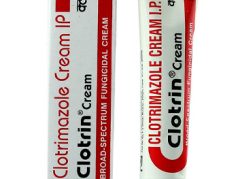
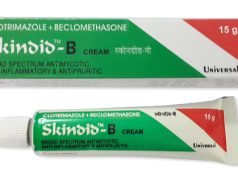
Topical antifungals are applied directly to affected skin areas and include creams, ointments, powders, and solutions. Popular options available in Australia include clotrimazole, miconazole, terbinafine, and tolnaftate. These products are widely available over-the-counter at pharmacies and are effective for surface fungal infections.
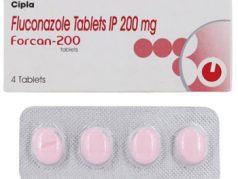
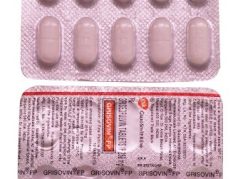
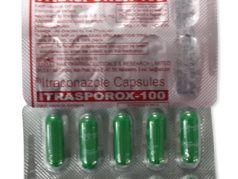
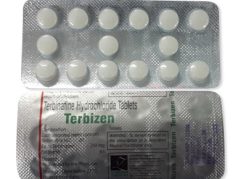
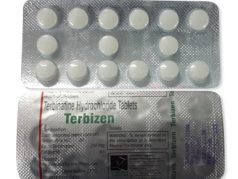
Oral antifungals are systemic medications taken by mouth to treat more serious or widespread infections. Common oral options include fluconazole, terbinafine, and itraconazole. These require a prescription from a healthcare provider and are typically used for nail fungus, serious skin infections, or candida infections affecting internal areas.
Azole antifungals include both topical and oral forms and are among the most commonly prescribed antifungal drugs in Australia. They work by disrupting the fungal cell membrane and are effective against many fungal species. Allylamines such as terbinafine are particularly effective against dermatophyte fungi causing athlete's foot and nail infections. These medications are available both as topical creams and oral tablets in Australia.
Australian pharmacies stock numerous antifungal products suitable for various fungal conditions. Popular brands include:
Many Australian pharmacies also stock generic versions of these medications at more affordable prices. Speaking with a pharmacist helps identify the most suitable product for your specific fungal condition and application preference. Some products combine antifungals with other active ingredients to address additional symptoms like itching or inflammation.
Antifungal medications treat a wide range of fungal infections affecting different body parts. Athlete's foot, medically known as tinea pedis, is one of the most common conditions treated with antifungals. This infection affects the skin between toes and can spread to other foot areas, causing itching, redness, and peeling. Topical antifungals are typically the first-line treatment.
Ringworm, or tinea corporis, is a contagious skin infection appearing as circular red patches. Despite its name, it is caused by fungi rather than worms. Antifungal creams are usually effective for localised cases, though oral medication may be needed for widespread infections.
Fungal nail infections, or onychomycosis, affect one or more nails and cause thickening, discolouration, and brittleness. These infections require longer treatment periods, often using oral antifungals combined with topical applications. Terbinafine is particularly effective for nail fungus treatment in Australia.
Candida infections affect mucous membranes and skin folds, causing thrush in the mouth or vaginal yeast infections. Oral fluconazole or topical clotrimazole products effectively treat these conditions. Some women experience recurring vaginal candida infections requiring preventative treatment.
Jock itch, or tinea cruris, affects the groin area and is common in males. This condition responds well to topical antifungal creams and powders that keep the area dry.
Proper application of antifungal medications ensures maximum effectiveness and faster recovery. For topical antifungals, the affected area must be cleaned and completely dried before application. Most creams and ointments should be applied thinly to affected skin and surrounding areas, typically twice daily or as directed on the package.
Treatment duration varies depending on the infection type and severity. Athlete's foot usually requires two to four weeks of consistent application. Nail infections require much longer treatment, often three to six months or more, as new uninfected nail must grow to replace the affected portion.
Oral antifungals must be taken exactly as prescribed, usually with or without food depending on the specific medication. Fluconazole is typically a single dose or short course for candida infections, whilst terbinafine for nail fungus requires daily doses for several weeks.
It is important to continue treatment even after symptoms disappear to prevent recurrence. Some fungal infections are prone to returning if treatment is stopped prematurely. Keeping areas dry and maintaining good hygiene supports treatment effectiveness.
Always read the product information leaflet and follow directions carefully. If symptoms do not improve after two weeks of treatment or worsen, consult a healthcare professional. Certain medications may interact with other drugs, making professional advice important for those taking multiple medications.
Preventing fungal infections is often easier than treating them. Keeping skin clean and dry, especially in warm and moist areas, significantly reduces infection risk. Wearing breathable clothing and changing out of damp clothes promptly helps prevent conditions like athlete's foot and jock itch.
In public areas like swimming pools, gyms, and communal showers, wearing protective footwear reduces exposure to fungal organisms. Regularly washing feet and drying thoroughly between toes prevents fungal colonisation. Using antifungal powder in shoes or socks provides additional protection for those prone to athlete's foot.
Seeking professional advice is recommended if fungal infections affect large body areas, involve the nails, or do not respond to over-the-counter treatments within two weeks. Immunocompromised individuals or those with diabetes should consult healthcare providers promptly when noticing signs of fungal infection.
Recurrent fungal infections may indicate underlying health issues requiring investigation. Healthcare professionals can determine whether oral antifungals are more appropriate than topical treatments. Pregnant women should consult their doctor before using any antifungal medication.
Australian pharmacists are valuable resources for advice on selecting appropriate antifungal products, application techniques, and when medical consultation is necessary. Many pharmacies in Australia offer free consultation services to help customers choose suitable treatments for their specific fungal conditions.