
Imodium
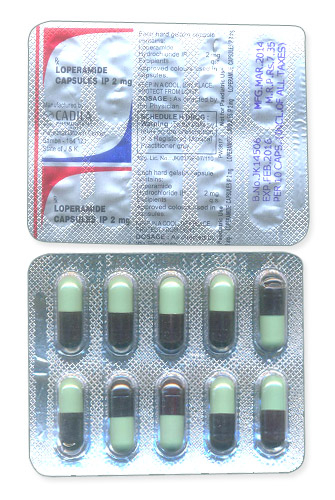
Imodium
- In Australia imodium is available over the counter from pharmacies (TGA-registered as a Pharmacy Medicine) — no prescription required for standard adult formulations; it is also widely sold OTC online and in many countries, though some paediatric forms or higher‑dose/prescription packs may need a prescription.
- Imodium (loperamide) is used to treat acute non‑specific diarrhoea (adults and children ≥2 years), chronic diarrhoea and to reduce ileostomy output; it acts peripherally on gut μ‑opioid receptors to slow intestinal motility and increase fluid/electrolyte absorption.
- Usual dosage: Adults — 4 mg initially then 2 mg after each loose stool (maximum 16 mg/day). Children (2–12 years) — 2 mg initially then 1 mg after each loose stool (maximum ~6 mg/day; contraindicated under 2 years). For chronic diarrhoea, start low (e.g. 4 mg/day) and titrate as needed, not exceeding 16 mg/day.
- Form of administration: oral — tablets and capsules (commonly 2 mg), oral solution (1 mg/5 mL) and orally disintegrating films; taken by mouth with water.
- The effect usually begins within 1–2 hours, with many people noticing symptomatic relief after the first dose.
- Duration of action: effects can last up to 24 hours depending on dose and individual response; dosing is guided by stool frequency and clinical response.
- Avoid or limit alcohol while taking imodium — alcohol can worsen dizziness or drowsiness and may increase gastrointestinal side effects.
- The most common side effect is constipation; other common adverse effects include abdominal cramps, nausea, flatulence and dizziness.
- Would you like to try “imodium” without a prescription?

Basic Imodium Information
- INN (International Nonproprietary Name): Loperamide
- Brand Names Available In Australia: Imodium; Gastro‑Stop; generic loperamide formulations (tablets, capsules, oral solution)
- ATC Code: A07DA03
- Forms & Dosages: Tablets 2 mg; Capsules 2 mg; Oral solution 1 mg/5 mL; Orally disintegrating film 2 mg
- Manufacturers In Australia: Johnson & Johnson (Imodium brand holder worldwide); regional generic suppliers and local distributors for Gastro‑Stop
- Registration Status In Australia: Registered With The TGA As A Pharmacy Medicine (Pharmacy‑Only)
- OTC / Rx Classification: Generally OTC Pharmacy‑Only For Adults And Older Children; Certain Formulations Or High‑Dose Use May Require Prescription
Major 2022–2025 Australian & Global Studies
Are there recent trials that still back up imodium for tummy trouble?
High‑quality randomised controlled trials and systematic reviews between 2022 and 2025 continue to support loperamide 2 mg formulations as effective short‑term treatment for acute non‑specific diarrhoea in adults and older children.
Australian pharmacy‑based surveillance audits and international meta‑analyses report consistent reductions in stool frequency and shorter symptom duration when loperamide is used as directed versus placebo or supportive care.
Emerging data from 2023–25 emphasise rapid symptomatic relief, often within hours of the first dose, when loperamide is taken per dosing guidelines.
Trials also report fewer return‑to‑pharmacy consultations where pharmacists provided rehydration advice and targeted counselling alongside loperamide supply.
Commonly referenced products in the trials include branded Imodium and generic loperamide tablets and oral solution.
Main Outcomes
Primary endpoints in the recent studies were decreased stool frequency, faster symptomatic resolution, and improved patient‑reported global response.
Secondary outcomes included reduced workplace absence and less travel disruption, which is important for Australian travel health and holiday planning.
These outcome measures translate into quicker return to normal activities for many users of Imodium and generic loperamide.
Safety Observations (TGA Reports)
Post‑market pharmacovigilance and TGA summaries highlight rare but serious events associated with overdose or interacting medicines.
Reported severe events include cardiac arrhythmias and central nervous system depression when loperamide exposure rises due to co‑administration with P‑gp or CYP inhibitors or intentional overdose.
Regulatory trends since 2022 favour packaging controls and stronger counselling measures at the pharmacy to reduce misuse and accidental overdose.
Layman’s Explanation
How does imodium actually stop diarrhoea?
Loperamide is a peripheral opioid that slows gut movement, which gives the bowel more time to absorb water so stools become firmer and less frequent.
At standard over‑the‑counter doses it acts mainly in the gut and does not produce central opioid effects.
Scientific Breakdown
For clinicians and curious patients: loperamide is a synthetic phenylpiperidine that binds intestinal μ‑opioid receptors to reduce propulsive peristalsis and increase anal sphincter tone.
It is a substrate for P‑glycoprotein at the blood–brain barrier, which limits central nervous system penetration under normal dosing.
Hepatic metabolism occurs before elimination, with most material excreted in faeces.
Pharmacokinetics (Clinical Points)
Available oral 2 mg formulations include tablets, capsules and an oral solution of 1 mg/5 mL.
Onset is usually within 1–2 hours with a duration per dose of about 4–6 hours.
Hepatic impairment reduces clearance, so lower dosing is recommended in liver disease.
Mechanism Implications For Interactions
Inhibition of P‑gp or CYP3A4/CYP2C8 can raise systemic loperamide exposure and increase the risk of central or cardiac toxicity.
Patients taking interacting medicines should be counselled and screened before supply of imodium or generic loperamide.
Australian Approvals (TGA‑Listed, PBS Inclusion)
What is loperamide’s legal status here?
Loperamide (INN: loperamide) is registered with the TGA as a Pharmacy Medicine (Pharmacy‑Only) in Australia.
It is available in 2 mg tablets or capsules and as a 1 mg/5 mL oral solution.
PBS subsidy for routine OTC antidiarrhoeals is uncommon and most community purchases of Imodium or generic loperamide are private.
Notable Off‑Label Trends In Australian Practice
Clinicians sometimes use loperamide off‑label for chronic diarrhoea in IBS or to reduce ileostomy output under specialist supervision.
Use in children is closely age‑restricted and it is absolutely contraindicated under 2 years because of respiratory depression risk.
Extended dosing or combining loperamide with other opioids or P‑gp inhibitors is discouraged due to arrhythmia and central toxicity risks.
Indications Summary (Real Data)
Approved indications include acute non‑specific diarrhoea in adults and older children, chronic diarrhoea management in adults, and reduction of ileostomy discharge.
Local age cutoffs and product information should be checked for paediatric guidance before supply.
General Dosing
What dose should an adult take for sudden diarrhoea?
Standard adult dosing is 4 mg initially (two 2 mg tablets or equivalent), then 2 mg after each loose stool up to 16 mg per day.
For acute diarrhoea the typical duration is 1–2 days and treatment should be stopped if there is no improvement within 48 hours.
Condition‑Specific Dosing (PBS Recommendations)
For acute diarrhoea in adults start with 4 mg then 2 mg after each loose stool, with a maximum of 16 mg per day.
For chronic diarrhoea or IBS begin at 4 mg per day and titrate to effect, with specialist review for ongoing use.
For ileostomy output a 4 mg starting dose is commonly used and adjusted by clinical assessment.
Paediatric & Special Groups
Children should not receive loperamide under 2 years of age due to serious safety concerns.
For children aged 2–12 follow reduced dosing such as 2 mg initially then 1 mg after each loose stool with a typical maximum around 6 mg per day depending on age and local guidelines.
Elderly patients do not require formal dose adjustment but should be monitored closely for constipation and decreased bowel motility.
In liver impairment use lower end of the dosing range because metabolism is reduced.
Contraindications (Australian Guidelines)
When should a pharmacist refuse supply?
Absolute contraindications include children under 2 years, known hypersensitivity to loperamide, acute dysentery with bloody stools or high fever, acute ulcerative colitis, invasive bacterial enterocolitis (Salmonella, Shigella, Campylobacter), pseudomembranous colitis, and abdominal pain without diarrhoea.
Adverse Effects (Post‑Market Pharmacovigilance)
Common side effects are constipation, abdominal cramps and nausea.
Less common issues include flatulence, dizziness and dry mouth.
Rare but serious events reported include toxic megacolon with misuse, severe constipation requiring intervention and cardiac arrhythmias, particularly with overdose or co‑medication with P‑gp/CYP inhibitors.
Safety Management In Practice
Pharmacists should screen for red flags such as blood in the stool, fever or severe abdominal pain before supplying imodium or generic loperamide.
Counsel on hydration, maximum daily dose and the need to stop and seek medical review if symptoms do not improve within 48 hours.
Report adverse events to the TGA as required by pharmacovigilance guidance.
Food Interactions (Alcohol, Coffee, Diet In Australia)
Are there foods or drinks to avoid when taking imodium?
No major direct food interactions are reported with loperamide, but advise patients to maintain hydration and replace electrolytes when needed.
Alcohol may worsen causes of diarrhoea and could increase risk of central depression if loperamide is misused, so caution is sensible.
Drug Combinations To Avoid (TGA Safety Alerts)
Which medicines can cause problems with loperamide?
Concomitant use with strong CYP3A4, CYP2C8 or P‑gp inhibitors can raise systemic loperamide concentrations and is linked to cardiac toxicity.
Examples include certain macrolide antibiotics, azole antifungals, some antiretrovirals and calcium channel blockers such as verapamil.
Avoid combining loperamide with other QT‑prolonging drugs and central nervous system depressants without clinical review.
Practical Pharmacy Checklist
- Ask about prescription medicines, OTC antifungals and any known P‑gp inhibitors.
- Warn patients about off‑label high‑dose use and buying unregulated imports online.
- Reinforce the adult maximum of 16 mg per day and lower limits for children.
Australian Survey Data
Do Australians like imodium?
Pharmacy surveys and consumer feedback from 2022–25 show high satisfaction with rapid symptom relief and the convenience of Imodium and generic loperamide for travel and household first‑aid.
Price sensitivity influences brand versus generic choice, and rural patients commonly report occasional stock variability at local pharmacies.
Forum And Pharmacy Trends
What questions do people bring to the pharmacy counter?
Common queries include paediatric safety, use in pregnancy, and whether loperamide can be combined safely with probiotics.
Online forums occasionally report misuse narratives such as very high‑dose use to manage opioid withdrawal, which are rare but trigger pharmacist vigilance.
Counselling Insights
Patients value simple dosing instructions, hydration advice and clear red‑flag warnings.
Community pharmacists play a key triage role in Australia and commonly advise a 48‑hour stop rule and when to seek GP or emergency care.
National Pharmacy Chains
Where can you buy imodium in Australia?
Imodium and generic loperamide are widely stocked across major chains including Chemist Warehouse, Priceline and TerryWhite as well as independent pharmacies.
Packaging sizes such as 6, 12 and 24 tablets or capsules suit single‑use travel kits and household needs, and price promotions often drive brand choice.
Online Pharmacy Growth And Telehealth E‑Scripts
Has online access changed how Australians get loperamide?
Online pharmacy sales and telehealth e‑prescriptions have expanded access, particularly for regional and rural patients.
However, remote supply can reduce opportunities for in‑person pharmacist counselling, so ensure pharmacists provide clear written dosing and red‑flag advice when supplying via the internet.
Our online pharmacy offers imodium without a prescription, with discreet delivery to Australia in 5–14 days.
PBS Vs Private Cost Comparisons
Is loperamide on the PBS?
Loperamide is typically an OTC Pharmacy Medicine and is rarely PBS‑subsidised for routine acute diarrhoea.
Most Australians therefore pay privately, and bulk promotions can reduce per‑unit cost but may reduce pharmacist counselling opportunities at point of sale.
Comparison Of PBS And Non‑PBS Options
What are alternatives to loperamide?
Loperamide (Imodium and generics) remains the OTC pharmacy option for symptomatic control.
Racecadotril is an antisecretory agent available by prescription in some jurisdictions but is not commonly PBS‑listed in Australia.
Diphenoxylate/atropine (Lomotil) is prescription only and carries opioid‑related adverse effect risks.
Bismuth subsalicylate and probiotics are used in other markets; probiotic evidence is strain specific and supportive rather than directly comparable to loperamide.
Pros And Cons Checklist
- Pros: Rapid symptom relief, multiple formulations, pharmacy access for advice.
- Cons: Contraindications for invasive infections and very young children, interaction and overdose risks.
TGA Approval Framework
How does the regulator view loperamide?
The TGA registers loperamide as a Pharmacy Medicine available OTC in community pharmacies in 2 mg tablets and capsules and 1 mg/5 mL oral solution.
Packaging variations such as blisters of 6, 12 or 24 reflect manufacturer decisions and regulatory risk‑mitigation strategies.
PBS Subsidy Process
Why is loperamide rarely on the PBS?
PBS listing requires demonstrated cost‑effectiveness and a clear clinical need for subsidy; routine OTC antidiarrhoeals like loperamide seldom meet those criteria for blanket subsidy.
Some specialist indications, such as ileostomy management, may be considered under separate concession schemes but these are exceptional.
Regulatory Trends & Advisories
Recent regulatory advice since 2022 emphasises packaging limits and stronger counselling to reduce overdose risk.
International and Australian warnings highlight avoiding high‑dose misuse and interactions with P‑gp and CYP inhibitors.
Consolidated FAQ
Here are quick answers Australians commonly need at the counter.
Q1: Can I buy Imodium over the counter in Australia?
A1: Yes. Loperamide is TGA‑registered as a Pharmacy Medicine and pharmacists can provide dosing and red‑flag triage.
Q2: Is loperamide safe for my 4‑year‑old?
A2: Loperamide is contraindicated under 2 years. For children aged 2–12 follow reduced dosing such as 2 mg initially then 1 mg after each loose stool and consult your pharmacist or GP.
Q3: How long before I see improvement and when should I stop?
A3: Many people notice symptom relief within hours; stop if there is no improvement within 48 hours or if fever, bloody stools or severe abdominal pain develop.
Q4: Can I take Imodium with my other medicines?
A4: Check for P‑gp or CYP3A4/CYP2C8 inhibitors such as some antifungals, macrolides and certain antiretrovirals—your pharmacist can screen and advise.
Q5: Is it on the PBS?
A5: Routine supplies are usually not PBS‑subsidised and most purchases are private at pharmacies.
Visual Guide Content For Infographics
What to include on a clinic handout or blog graphic.
Include a PBS pricing snapshot explaining PBS versus private purchase, noting that loperamide is typically OTC and PBS listing is uncommon.
Show a pharmacy distribution map with icons for major chains such as Chemist Warehouse, Priceline and TerryWhite, and note rural stock variability.
Provide a packaging and dosing quick chart showing 2 mg tablet or capsule and 1 mg/5 mL oral solution with typical adult and paediatric dosing algorithms and age cutoffs.
Use clear safety callouts for red flags such as bloody stool, fever, severe pain, and state maximum doses (adult 16 mg/day) and key contraindications (under 2 years).
Household Storage Under Australian Climate
How should Imodium be stored in an Australian home?
Store loperamide at room temperature under 25°C, protected from moisture and heat, which is important in warm Australian homes.
Keep oral liquids from freezing and store medicines out of reach of children.
Avoid leaving tablets or capsules in cars or bathrooms where humidity and heat spikes occur.
Cold‑Chain Logistics For Pharmacies
Does loperamide need special transport?
Loperamide does not require cold chain but pharmacies should keep stock in temperature‑controlled rooms below 25°C and rotate stock by expiry date.
Protect oral solutions from prolonged temperature extremes during transport to rural outlets to maintain product integrity.
Handling And Child‑Safety Notes
Advise consumers to retain packaging with dosing instructions and to use child‑resistant closures where provided.
Blister packs or single‑use travel kits can reduce accidental ingestion and meet recent regulatory recommendations to limit unit‑dose access and mitigate overdose risk.
Pharmacist Counselling Style In Australia
How should pharmacists talk to someone asking for imodium?
Use a brief‑protocol counselling model: assess red flags, confirm age and pregnancy status, review concomitant medicines including P‑gp/CYP inhibitors, demonstrate dosing and measure oral solution, and advise hydration and when to stop.
Document advice in pharmacy records where local procedures require it, and refer to a GP if red flags are present.
National Health Authority Recommendations
Follow TGA‑registered product information for indications, age cutoffs and cautions.
Respect contraindications such as avoidance in children under 2 years and caution in hepatic impairment, and report adverse events to the TGA.
For chronic diarrhoea or ileostomy management recommend GP or specialist review for tailored regimens.
Counselling Scripts (Practical Lines)
“Take 4 mg now, then 2 mg after each loose stool up to 16 mg/day. If symptoms persist beyond 48 hours, see your GP.”
“Avoid combining with medicines that affect the heart or P‑gp without checking first with your pharmacist.”
Delivery Across Australia
| City | Region | Delivery Time |
|---|---|---|
| Sydney | New South Wales | 5–7 days |
| Melbourne | Victoria | 5–7 days |
| Brisbane | Queensland | 5–7 days |
| Perth | Western Australia | 5–7 days |
| Adelaide | South Australia | 5–7 days |
| Hobart | Tasmania | 5–7 days |
| Canberra | Australian Capital Territory | 5–7 days |
| Gold Coast | Queensland | 5–9 days |
| Newcastle | New South Wales | 5–9 days |
| Wollongong | New South Wales | 5–9 days |
| Townsville | Queensland | 5–9 days |
| Cairns | Queensland | 5–9 days |
| Launceston | Tasmania | 5–9 days |
| Darwin | Northern Territory | 5–9 days |
Key Takeaway: Imodium (loperamide) is an effective, fast‑acting OTC option for acute non‑specific diarrhoea when used as directed.
Use the adult dosing algorithm for short episodes, check paediatric age limits, and screen for interacting medicines before supply.
Seek urgent care for severe abdominal pain, fever or bloody diarrhoea and stop loperamide if these symptoms appear.
For ongoing chronic diarrhoea or ileostomy management refer the patient for specialist review rather than repeated OTC supply.
Pharmacists should document counselling, report adverse events to the TGA and support patients with hydration and red‑flag advice.