Acid reflux occurs when stomach acid backs up into the oesophagus, causing discomfort and a burning sensation. This common condition affects millions of Australians and can significantly impact daily life and sleep quality.
Acid reflux happens when the lower oesophageal sphincter relaxes inappropriately, allowing gastric acid to flow upward. Symptoms include heartburn, regurgitation, and chest discomfort, particularly after meals or when lying down. Understanding these symptoms helps you seek appropriate treatment and manage your condition effectively.
Several effective treatment options are available to manage acid reflux symptoms:
Elevating your head whilst sleeping, avoiding trigger foods, and eating smaller meals can help prevent symptoms. Maintaining a healthy weight and reducing stress also contribute to better management of acid reflux.
Constipation is one of the most common gastrointestinal complaints in Australia, affecting people of all ages. Regular bowel function is essential for overall digestive health and wellbeing.
Constipation occurs when bowel movements become infrequent or difficult. Common causes include inadequate fibre intake, dehydration, sedentary lifestyle, and certain medications. Most Australians experience occasional constipation, though some suffer from chronic issues requiring ongoing management strategies.
Various medication options can help restore regular bowel function:
Increasing dietary fibre through whole grains, fruits, and vegetables is fundamental to treating constipation. Drinking adequate water, staying physically active, and establishing regular bathroom routines all support healthy bowel function. Probiotics may also help restore healthy gut bacteria balance and improve digestive health.
Diarrhoea can strike suddenly and cause significant discomfort and inconvenience. Whether from food poisoning, infections, or dietary sensitivity, effective treatment restores normal digestive function quickly.
Acute diarrhoea usually lasts a few days and results from viral or bacterial infections, food poisoning, or dietary changes. Chronic diarrhoea persisting beyond four weeks may indicate underlying conditions requiring medical attention from your healthcare provider.
Several medications are available to manage diarrhoea symptoms effectively:
Severe diarrhoea lasting more than a few days, accompanied by blood or severe abdominal pain, requires medical evaluation. Dehydration signs including extreme thirst, dark urine, and dizziness demand immediate attention, particularly in children and elderly people who are more vulnerable to complications.
Indigestion and bloating create discomfort and interfere with daily activities for many Australians. These conditions often develop after eating too quickly, consuming rich foods, or experiencing stress.
Indigestion involves pain or discomfort in the upper abdomen, often accompanied by feelings of fullness, bloating, and nausea. Unlike heartburn, indigestion affects the stomach rather than the oesophagus, though both conditions can occur together, creating more pronounced symptoms.
Multiple treatment approaches can relieve indigestion and bloating discomfort:
Eating slowly and chewing food thoroughly aids digestion significantly. Avoiding fatty, spicy, and acidic foods before bed prevents nighttime discomfort. Limiting carbonated beverages and eating smaller, frequent meals rather than large portions helps maintain comfort throughout the day and supports better digestive health.
Haemorrhoids are swollen blood vessels in the rectal area affecting many Australians at some point. Whilst often uncomfortable, most respond well to treatment and preventative care strategies.
Internal haemorrhoids occur inside the rectum and may cause bleeding during bowel movements without visible external symptoms. External haemorrhoids develop under the skin around the anus and cause itching, pain, and discomfort, particularly when sitting or during physical activity.
Effective treatment options are readily available for haemorrhoid management:
Maintaining soft, regular stools through adequate fibre and water intake prevents straining that can worsen haemorrhoids. Sitting on warm water for fifteen minutes several times daily, especially after bowel movements, provides comfort and aids healing. Avoiding prolonged sitting and using appropriate toilet paper or wipes maintains anal hygiene without irritation.
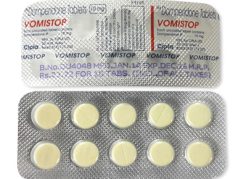
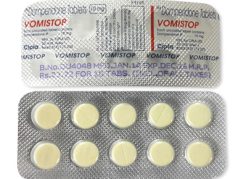
Nausea and vomiting can result from various causes including motion sickness, medication side effects, migraines, and gastrointestinal infections. Effective management helps people return to normal activities quickly and resume their usual routines.
Motion sickness affects many Australians during car, boat, or plane travel. Medication side effects, chemotherapy, pregnancy, and anxiety can trigger nausea and vomiting. Viral infections and food poisoning also cause acute vomiting episodes requiring symptomatic relief.
Several effective medications are available for managing nausea and vomiting:
Ginger supplements and ginger tea provide natural nausea relief supported by scientific research. Peppermint aromatherapy and acupressure bands offer non-medication options for symptom management. Eating small, bland meals, staying hydrated with sips of clear fluids, and resting in quiet, dark environments all support recovery from nausea and vomiting episodes.