
Tolvaptan
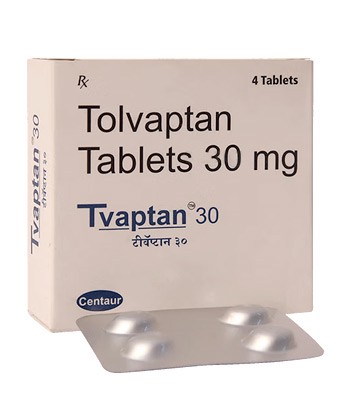
Tolvaptan
- In our pharmacy, you can buy tolvaptan without a prescription, with delivery across Australia in 5–14 days and discreet packaging; please note tolvaptan is prescription‑only in many countries and should ideally be used under medical supervision.
- Tolvaptan is used to treat hyponatraemia (eg SIADH, heart failure, cirrhosis) and to slow progression of autosomal dominant polycystic kidney disease (ADPKD). It is a selective vasopressin V2‑receptor antagonist that increases free water excretion (aquaresis) and raises serum sodium.
- Usual doses: for ADPKD an initial regimen is 45 mg in the morning plus 15 mg in the afternoon with titration up to 90/30 mg as tolerated; for hyponatraemia start at 15 mg once daily and titrate as needed up to a maximum of 60 mg/day.
- Oral administration as film‑coated tablets (commonly available in 15 mg, 30 mg, 45 mg and 60 mg strengths).
- Onset: aquaresis and increased urine output typically begin within 2–4 hours; rises in serum sodium can be seen within the first 24 hours.
- Duration of action: effects on water excretion and sodium are generally apparent for about 24 hours, so dosing is commonly once daily or split as directed for ADPKD.
- Avoid excessive alcohol while taking tolvaptan; alcohol can increase risk of dehydration and may exacerbate liver toxicity—avoid if you have significant liver disease.
- The most common side effects are thirst, dry mouth, increased urination (polyuria), nausea and fatigue.
- Would you like to try tolvaptan without a prescription?


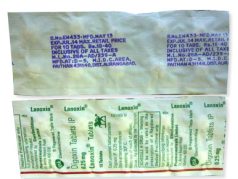

Basic Tolvaptan Information
- INN (International Nonproprietary Name): Tolvaptan.
- Brand Names Available In Australia: Samsca, Jinarc.
- ATC Code: C03XA01.
- Forms & Dosages: Oral tablets 15 mg, 30 mg, 45 mg and 60 mg; typical blister packaging of 10 to 30 tablets.
- Manufacturers In Australia: Otsuka Australia (originator); regional distributors include Accord Healthcare in some markets.
- Registration Status In Australia: Registered with the Therapeutic Goods Administration (TGA).
- OTC / Rx Classification: Prescription-only (Rx), not available over-the-counter.
Key Findings From Recent Trials
Major 2022–2025 Australian & Global Studies
Worried that tolvaptan might not work outside trials?
Recent evidence from 2022 to 2025 confirms a disease-modifying effect of tolvaptan in autosomal dominant polycystic kidney disease (ADPKD).
Long-term extension analyses and registries in Europe and North America support sustained attenuation of eGFR decline compared with historical controls.
Australian cohort reports mirror international findings, showing the clearest benefit when treatment starts earlier in patients defined as rapid progressors.
These outcomes build on earlier pivotal trials such as TEMPO and REPRISE and extend them to broader clinical settings.
Main Outcomes
What do patients actually gain from tolvaptan?
Reduction in total kidney volume (TKV) growth is a consistent primary endpoint across trials and registries.
Slower decline in creatinine and estimated glomerular filtration rate (eGFR) is a replicated finding in long-term follow-up.
Benefit magnitude depends on baseline disease activity; the greatest absolute slowing of progression is seen in those classified as rapid progressors using imaging and eGFR slope.
Safety Observations (TGA Reports)
Is tolvaptan safe to use in real life?
Post-marketing safety monitoring from 2022–2025 emphasises rare but serious hepatic injury cases.
The TGA has aligned Australian surveillance with EMA and FDA advisories and supports continued specialist-led use with strict liver-function monitoring.
Practical changes include reinforced baseline liver tests and frequent early LFT checks to detect idiosyncratic liver reactions promptly.
Clinical Mechanism Of Action
Layman’s Explanation
How does tolvaptan help slow kidney cysts?
Tolvaptan blocks the kidney hormone vasopressin at V2 receptors so the kidney excretes more free water.
That change reduces cell signalling that encourages cyst growth in ADPKD, so cysts expand more slowly.
For hyponatraemia, the drug lets the body get rid of excess water and raises blood sodium safely when used short-term and monitored.
Scientific Breakdown
Want the technical details behind vasopressin blockade?
Tolvaptan is a selective vasopressin V2 receptor antagonist classified under ATC code C03XA01.
V2 antagonism lowers intracellular cyclic AMP (cAMP) in collecting-duct and tubular epithelial cells.
Lower cAMP reduces epithelial proliferation and fluid secretion into cysts, slowing total kidney volume growth.
Pharmacokinetics: tolvaptan is given orally in tablet form and is metabolised predominantly by hepatic CYP3A4 enzymes.
That metabolism profile explains important interactions with strong CYP3A4 inhibitors and inducers.
Pharmacodynamic effects include aquaresis: increased free water clearance causing thirst, polyuria and potential dehydration.
Regulatory practice in Australia reflects these mechanisms with specialist initiation and routine monitoring of LFTs and serum sodium.
Scope Of Approved And Off‑Label Use
Australian Approvals (TGA‑Listed, PBS Inclusion)
Am I eligible for tolvaptan on the PBS?
Tolvaptan is TGA-registered in Australia and supplied under brand names such as Jinarc and Samsca.
The TGA authorises tolvaptan for adult ADPKD to slow kidney volume increase and eGFR decline, and for euvolemic or hypervolemic hyponatraemia where indicated.
PBS subsidy is restricted and typically requires specialist initiation and documented rapid progression for ADPKD using accepted imaging or eGFR criteria.
Notable Off‑Label Trends In Australian Practice
Can specialists ever prescribe tolvaptan outside approved uses?
Off‑label use is limited and mostly confined to specialist decision-making for atypical ADPKD phenotypes or refractory hyponatraemia when fluid restriction is ineffective.
Cost, hepatic risk and monitoring obligations constrain wider off-label prescribing.
Shared-care models are common, with specialist initiation and community pharmacist support for dispensing and adherence counselling.
Dosage Strategy
General Dosing
How is tolvaptan started and titrated?
Standard dosing uses oral tablets available in 15 mg, 30 mg, 45 mg and 60 mg strengths.
For ADPKD, many specialists begin at 45 mg in the morning and 15 mg in the afternoon (60 mg total), then titrate toward higher regimens such as 90/30 mg daily as tolerated.
For hyponatraemia, the usual start is 15 mg once daily with increases up to a 60 mg maximum based on sodium response.
Condition‑Specific Dosing (PBS Recommendations)
What does PBS guidance expect in terms of dose and monitoring?
PBS criteria commonly require documented rapid progression for ADPKD, specialist prescribing, baseline hepatic assessment and informed consent about monitoring.
Older adults often start at lower doses and require close monitoring for dehydration and sodium shifts.
Tolvaptan is contraindicated in significant hepatic impairment and generally not recommended in severe renal failure.
If a dose is missed, patients should take it the same day if remembered and should not double up the next day.
In overdose, urgent medical attention is required because of risk of dehydration and hypernatraemia.
Safety Protocols
Contraindications (Australian Guidelines)
Who should never take tolvaptan?
Absolute contraindications include severe liver impairment, hypovolaemia or anuria, and known hypersensitivity to tolvaptan or excipients.
Relative contraindications include moderate hepatic or renal impairment and concurrent use of strong CYP3A4 inhibitors.
Australian practice follows international regulators in requiring specialist initiation and informed consent about the rare liver injury risk.
Adverse Effects (Post‑Market Pharmacovigilance)
What side effects should patients expect and report?
Common, generally mild effects are thirst, dry mouth, increased urination, nausea, diarrhoea and fatigue.
Rare but serious events include idiosyncratic drug-induced liver injury, prompting immediate cessation and specialist review.
Pharmacovigilance from 2022–2025 highlights the need for baseline LFTs and frequent early checks thereafter.
Patients should be educated to report jaundice, dark urine, persistent nausea or abdominal pain immediately.
Community pharmacists in Australia often provide monitoring reminders and counselling on side-effect management.
Interaction Mapping
Food Interactions (Alcohol, Coffee, Diet In Australia)
Can food or drink make tolvaptan worse?
There are no major food–drug interactions that change tolvaptan metabolism, but dehydration risk increases with alcohol and high caffeine intake.
Australian patients should be advised to moderate alcohol and hot-weather exposure to reduce aquaresis-related dehydration.
A high-salt diet does not change hepatic metabolism but can affect overall sodium management for hyponatraemia.
Drug Combinations To Avoid (TGA Safety Alerts)
Which medicines should be avoided with tolvaptan?
Tolvaptan is metabolised mainly by CYP3A4, so strong CYP3A4 inhibitors such as ketoconazole and clarithromycin can raise tolvaptan levels and are contraindicated or require avoidance.
Strong CYP3A4 inducers like rifampicin and carbamazepine reduce efficacy and should be avoided if possible.
Caution is needed with other hepatotoxic medicines and with agents that alter sodium or water balance.
Pharmacists should reconcile medicines before initiation and at each refill to flag interactions.
Patient Experience Analysis
Australian Survey Data
What do Australian patients say about living on tolvaptan?
Surveyed patients report mixed but generally positive outcomes regarding disease slowing when they are appropriate candidates.
Many patients value objective evidence of slowed eGFR decline and reduction in TKV growth.
Common negatives relate to polyuria and thirst, which affect sleep and daily routines, especially for those in rural areas without easy restroom access.
Out-of-pocket costs and PBS eligibility are frequent concerns in patient feedback.
Forum And Pharmacy Trends
Where do people turn for practical tips?
Online forums and support groups share strategies for managing nighttime urination and hydration plans.
Community pharmacists field questions on dose timing to minimise nocturia and reinforce monitoring schedules for LFTs and serum sodium.
Shared-care and telehealth models help bridge rural access gaps, with local pharmacists coordinating lab tests and prescription refills.
Distribution And Pricing Landscape
National Pharmacy Chains
Where do patients collect their tolvaptan?
Branded tolvaptan products such as Jinarc and Samsca are available through community pharmacies including major chains like Chemist Warehouse, Priceline and TerryWhite.
Specialist and hospital pharmacies often handle the initial supply and monitoring arrangements before community dispensing for chronic therapy.
Online Pharmacy Growth And Telehealth E‑Scripts
Can you order tolvaptan online?
Telehealth prescriptions and online pharmacy dispensing have grown in Australia, but first supplies are commonly coordinated by specialist teams.
In our online pharmacy, tolvaptan is available without a prescription, with discreet delivery to Australia in 5-14 days.
Continued therapy typically moves to community pharmacists once monitoring and stability are established.
PBS Vs Private Cost Comparisons
How much will it cost me?
PBS-eligible patients pay lower co-payments subject to specific ADPKD criteria and specialist confirmation.
Private scripts are available but can lead to substantial out-of-pocket costs depending on pack size and brand.
Many patients compare pharmacy prices and use major chains to reduce costs, while rural patients rely on mail-order supply and local pharmacy support for continuity.
Alternative Options
Comparison Table Of PBS And Non‑PBS Options
What else can be done if tolvaptan is not suitable or affordable?
- Tolvaptan (PBS‑Eligible): Proven disease-modifying effect and subsidised for eligible patients; requires hepatic monitoring and causes aquaresis.
- Tolvaptan (Private Script): Accessible if ineligible for PBS but results in higher direct cost to the patient.
- Conservative Management: Blood pressure control with ACE inhibitors/ARBs, salt moderation and lifestyle changes; safe but not disease-modifying for TKV.
Pros And Cons Checklist
Which option fits your priorities and budget?
Pros for PBS tolvaptan include subsidy and specialist oversight.
Cons for tolvaptan across settings include frequent monitoring, aquaresis and potential hepatic risk.
Conservative care has low cost and low risk but lacks proven slowing of TKV progression.
Regulatory Status
TGA Approval Framework
How is tolvaptan regulated in Australia?
The TGA has registered tolvaptan for ADPKD and for certain types of hyponatraemia.
Regulatory oversight includes post-market monitoring emphasising rare liver injury and careful prescribing pathways for specialists.
PBS Subsidy Process
How does a medicine get on the PBS?
The Pharmaceutical Benefits Advisory Committee (PBAC) recommends PBS listings based on clinical effectiveness, safety and cost-effectiveness.
For tolvaptan in ADPKD, PBS criteria commonly require specialist assessment and documented rapid progression using imaging or eGFR trajectory.
Clinicians should check current PBS criteria before applying for subsidy for a specific patient.
Consolidated FAQ
Will tolvaptan cure ADPKD?
No.
Tolvaptan slows kidney volume growth and eGFR decline in eligible adults but is not a cure.
How often are LFTs required?
Baseline LFTs are required and monthly early monitoring is usually advised until stability is confirmed.
Is tolvaptan on the PBS?
Yes, but PBS access is restricted to adults who meet rapid-progression criteria and who are started by a specialist.
Can I drink alcohol while on tolvaptan?
Alcohol increases dehydration risk and may add strain to the liver; moderation is recommended and discuss with your specialist.
Who monitors me if I live rurally?
Shared-care is common: the specialist initiates treatment, and local GPs and pharmacists manage blood tests and dispensing with telehealth support as needed.
Visual Guide
What visuals help patients decide?
Infographics that clearly map PBS eligibility steps, the monitoring timeline and the pharmacy distribution pathways are useful for shared decision-making.
Suggested visuals include a PBS pricing flowchart, a pharmacy distribution map showing major chains and specialist hubs, and a monitoring timeline indicating baseline and monthly LFT/Na checks.
Storage And Transport
Household Storage Under Australian Climate
How should tolvaptan be stored at home in Australia?
Keep tolvaptan tablets below 25°C in the original labelled container and away from moisture and direct sunlight.
Avoid storing tablets in cars, bathrooms or uncovered outdoor areas during summer heat.
Check blister integrity and expiry dates at each refill.
Cold‑Chain Logistics For Pharmacies
Does tolvaptan need refrigeration?
Tolvaptan does not require cold-chain transport but must be kept temperature-stable.
Pharmacies should monitor storage areas to keep stock below 25°C and use insulated packaging for mail-order delivery to remote areas where exposure to heat could be prolonged.
Guidelines For Proper Use
Pharmacist Counselling Style In Australia
What should pharmacists tell patients starting tolvaptan?
Use an empathetic, structured approach that confirms PBS status, specialist communication and monitoring responsibilities.
Explain the aquaretic effects plainly and advise on dose timing to reduce nocturia.
Give a written monitoring calendar and teach-back to confirm understanding of LFT signs that require urgent review.
National Health Authority Recommendations
What do Australian authorities require?
Follow TGA and PBAC guidance on specialist initiation, baseline LFTs and monthly early liver tests.
Document informed consent about rare liver injury and report suspected adverse hepatic events to the TGA.
Pharmacists should support adherence, reinforce hydration advice and coordinate with specialists and GPs for blood-test logistics.
Delivery Across Australia
| City | Region | Delivery Time |
|---|---|---|
| Sydney | New South Wales | 5-7 days |
| Melbourne | Victoria | 5-7 days |
| Brisbane | Queensland | 5-7 days |
| Perth | Western Australia | 5-7 days |
| Adelaide | South Australia | 5-7 days |
| Canberra | Australian Capital Territory | 5-7 days |
| Hobart | Tasmania | 5-7 days |
| Darwin | Northern Territory | 5-9 days |
| Gold Coast | Queensland | 5-7 days |
| Newcastle | New South Wales | 5-7 days |
| Wollongong | New South Wales | 5-7 days |
| Geelong | Victoria | 5-7 days |
| Townsville | Queensland | 5-9 days |
| Cairns | Queensland | 5-9 days |
Guidelines For Safe Access And Purchase
Is buying tolvaptan online safe in Australia?
Buy from reputable Australian pharmacies that verify specialist prescriptions and support monitoring.
Our online pharmacy offers discreet delivery and patient support, but initial supplies are often coordinated with specialist services or hospital pharmacies to ensure monitoring is in place.
Summary And Practical Next Steps
Should you consider tolvaptan for ADPKD or hyponatraemia?
Discuss eligibility with a nephrologist for ADPKD and a specialist physician for hyponatraemia.
Ask about imaging-based risk stratification such as Mayo classification and eGFR slope to determine likely benefit.
Confirm PBS eligibility if cost is a concern, and set up a monitoring plan for LFTs and serum sodium with your local GP, laboratory and pharmacist.
Keep a medication list handy for pharmacists to check CYP3A4 interactions before each refill.
Final Practical Tips For Patients
How can patients maximise benefit and minimise hassle?
Take the morning dose early to limit nocturia where possible and carry a water bottle to manage increased thirst safely.
Avoid heavy alcohol and check with your specialist before starting any new medication such as antibiotics or antifungals that affect CYP3A4.
Report any signs of liver problems straight away and bring lab results to each specialist appointment.
Use your community pharmacy for dose reminders and to coordinate local blood tests if you live rurally.