Cholesterol is a waxy substance found in your blood and body cells that plays essential roles in hormone production, vitamin D synthesis, and digestive function. Your body produces cholesterol naturally, and you also obtain it from foods you eat, particularly animal products. Understanding your cholesterol levels is crucial for maintaining heart health and preventing serious cardiovascular conditions.
There are two main types of cholesterol: LDL (low-density lipoprotein), often called "bad" cholesterol, and HDL (high-density lipoprotein), known as "good" cholesterol. When LDL levels become too high, it can accumulate in your arteries, forming plaques that narrow blood vessels and restrict blood flow to your heart and brain. This condition significantly increases your risk of heart attack and stroke. Conversely, HDL cholesterol helps remove LDL from your arteries, protecting your cardiovascular system.
Your doctor may recommend cholesterol management through lifestyle changes, dietary modifications, and medications if necessary. Regular monitoring through blood tests helps determine whether your cholesterol levels are within healthy ranges. For most adults, total cholesterol should be below 5.2 mmol/L, LDL below 3.4 mmol/L, and HDL above 1 mmol/L.
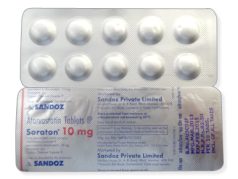
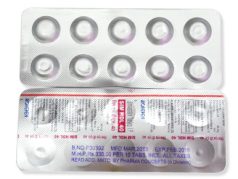
Statins are the most commonly prescribed medications for managing high cholesterol levels in Australia. These medications work by blocking an enzyme in your liver that produces cholesterol, effectively reducing the amount of LDL cholesterol in your bloodstream. Statins have been extensively studied and proven to reduce the risk of heart disease and stroke significantly.
Several statin medications are available on the Australian market, including:
Most statins in Australia are PBS-listed, meaning they're subsidised for eligible patients, making them affordable and accessible. Your pharmacist can explain the specific benefits and potential side effects of each medication. Some patients take statins daily in the evening, as cholesterol production naturally increases at night. It's important to take your statin regularly as prescribed to achieve optimal cholesterol reduction and cardiovascular protection.
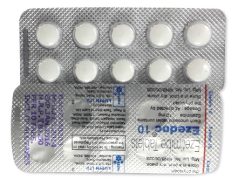
For patients unable to tolerate statins or requiring additional cholesterol management, several non-statin medications are available in Australia. Ezetimibe works by blocking cholesterol absorption in your intestines, effectively lowering LDL cholesterol levels. It's often prescribed alongside statins for enhanced cholesterol reduction and is available as a single agent or in combination formulations.
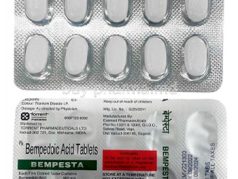
Bempedoic acid represents a newer option for cholesterol management, particularly for patients with statin intolerance. This medication reduces uric acid production while lowering LDL cholesterol, offering dual benefits for certain patients. PCSK9 inhibitors, such as evolocumab and alirocumab, are available for patients with familial hypercholesterolaemia or those who haven't achieved adequate cholesterol reduction with statins alone. These injectable medications work by increasing the clearance of LDL cholesterol from your blood.
Bile acid sequestrants, including cholestyramine, are older medications still available for specific situations. These medications bind to cholesterol-containing bile acids in your intestines, preventing their reabsorption and promoting cholesterol excretion. Fibrates may be prescribed, particularly when triglyceride levels are elevated alongside high cholesterol. Your doctor will determine which non-statin medication best suits your individual health situation and cholesterol profile.
Effective cholesterol management extends beyond medication to include significant lifestyle modifications that can dramatically improve your cholesterol profile. Regular physical activity is crucial—aim for at least 150 minutes of moderate-intensity exercise weekly, such as brisk walking, swimming, or cycling. Exercise helps raise HDL cholesterol whilst reducing LDL and triglyceride levels.
Dietary changes play an equally important role in managing cholesterol naturally. Reduce saturated fat intake by choosing lean meats, low-fat dairy products, and limiting processed foods. Increase your consumption of heart-healthy foods including fatty fish rich in omega-3 fatty acids, such as salmon and mackerel. Include plenty of soluble fibre-rich foods like oats, barley, beans, and legumes, which help lower LDL cholesterol. Replace butter with plant-based oils such as olive oil, and incorporate nuts and seeds into your daily diet.
Weight management is essential, as excess weight contributes to higher LDL and lower HDL cholesterol levels. Even modest weight loss of five to ten percent can improve your cholesterol profile significantly. Limit alcohol consumption, as excessive drinking can raise cholesterol and triglyceride levels. Avoid smoking, which damages your blood vessels and lowers protective HDL cholesterol. Managing stress through relaxation techniques, meditation, or yoga also supports better cholesterol levels and overall cardiovascular health.
Regular cholesterol testing is fundamental to effective management and ensures your treatment plan is working optimally. In Australia, cholesterol screening is typically done through a blood test called a lipid profile, which measures total cholesterol, LDL, HDL, and triglycerides. Most Australian adults should have their cholesterol checked at least once every five years, though more frequent testing may be recommended based on your individual risk factors and medical history.
If you have a family history of high cholesterol or heart disease, are over 45 years old, or have other cardiovascular risk factors, annual testing is advisable. Your GP may recommend more frequent monitoring when you start new cholesterol medications or adjust dosages. Understanding your cholesterol numbers empowers you to make informed decisions about your health and treatment options.
After starting cholesterol medication, your doctor typically rechecks your levels after four to twelve weeks to assess medication effectiveness. Results inform any necessary dosage adjustments or medication changes. Regular monitoring helps identify any adverse effects early and ensures your cholesterol remains within target ranges. Many pharmacies in Australia offer point-of-care cholesterol testing, providing convenient access to monitoring services. Maintaining a record of your cholesterol results helps track your progress and identify trends over time.
Consulting with healthcare professionals is essential for appropriate cholesterol management tailored to your individual circumstances. Your GP can assess your overall cardiovascular risk, recommend appropriate testing intervals, and prescribe medications if necessary. They consider your age, family history, existing medical conditions, and other risk factors when determining your ideal cholesterol targets and treatment approach.
If you experience side effects from cholesterol medications, such as muscle pain or weakness, contact your doctor or pharmacist immediately—alternative medications may be suitable. Australian pharmacists are highly trained medication experts who can answer questions about your cholesterol medications, potential drug interactions, and lifestyle strategies. Don't hesitate to discuss concerns about your treatment plan; adjustments can often be made to improve tolerability and effectiveness.
Seek urgent medical attention if you experience chest pain, shortness of breath, or other symptoms suggesting a heart problem, as these may indicate advanced cardiovascular disease requiring immediate intervention. Regular communication with your healthcare team ensures your cholesterol management remains optimal and protects your long-term health. Your local Australian pharmacy provides convenient access to professional advice alongside medication supply, supporting your journey towards better cholesterol control and cardiovascular wellness.