Hormones are chemical messengers produced by various glands in your endocrine system that regulate essential bodily functions. These powerful substances travel through your bloodstream to control metabolism, growth, reproduction, mood, and many other critical processes. When hormone levels become imbalanced, it can significantly impact your health and quality of life. Understanding how hormones work and when you might need hormone therapy is essential for maintaining optimal wellness.
In Australia, many people seek hormone-related medications to address deficiencies, imbalances, or age-related changes. Pharmacists play an important role in helping patients understand their hormone medications, potential side effects, and proper usage. Whether you're experiencing symptoms of menopause, thyroid issues, or hormonal imbalances, appropriate treatment can make a substantial difference in your daily comfort and wellbeing.
The thyroid gland produces hormones that regulate your metabolism, energy levels, and body temperature. Thyroid disorders are among the most common endocrine conditions in Australia, affecting millions of people. Hypothyroidism occurs when your thyroid doesn't produce enough hormones, leading to fatigue, weight gain, and depression. Hyperthyroidism, the opposite condition, causes excessive hormone production resulting in rapid heartbeat, anxiety, and weight loss.
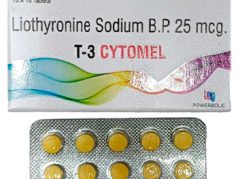
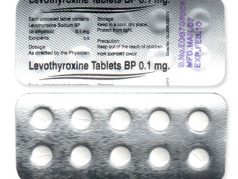
Levothyroxine is the most prescribed thyroid replacement therapy in Australia. It's available under various brand names including Oroxine and generic alternatives. This synthetic thyroid hormone works by replacing or supplementing insufficient natural thyroid hormone production. Another option is Liothyronine, though it's less commonly prescribed. For overactive thyroid conditions, medications like Propranolol help manage symptoms while Propylthiouracil and Methimazole reduce excess hormone production. Regular blood tests are essential to ensure your thyroid medication dose remains appropriate for your needs.
Women experience significant hormonal changes throughout their lives, particularly during puberty, menstruation, pregnancy, and menopause. Menopause typically occurs between ages 45 and 55, causing fluctuations in oestrogen and progesterone that create hot flushes, night sweats, mood changes, and sleep disturbances. Hormone Replacement Therapy (HRT) remains a popular treatment option for managing menopausal symptoms in Australia.
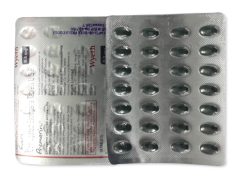
Estradiol patches and tablets are widely available in Australia, helping replace declining oestrogen levels. Progesterone supplements like Micronised Progesterone protect the uterus in women taking oestrogen therapy. Combined hormone replacements such as Duavive and Activelle provide both oestrogen and progesterone in convenient formulations. For contraception, oral contraceptives containing various oestrogen and progestin combinations remain popular choices.
Extended-cycle contraceptives like Seasonique reduce menstrual frequency whilst maintaining effective pregnancy prevention. Many Australian women also use progesterone-only pills, patches, or intrauterine devices as alternative contraceptive methods.
Testosterone is the primary male sex hormone responsible for developing male characteristics, maintaining muscle mass, bone density, and sexual function. Low testosterone, or hypogonadism, affects many men in Australia, causing fatigue, reduced libido, mood changes, and decreased muscle strength. Some men experience naturally declining testosterone with age, whilst others develop deficiency due to medical conditions or treatments.
Testosterone injections remain a common first-line treatment, available in various formulations including Testosterone Enanthate and Testosterone Propionate. Weekly or bi-weekly injections provide consistent hormone levels. Testosterone gels and creams like Androgel offer convenient daily application, allowing flexible dosing adjustments. Testosterone patches deliver steady hormone levels through transdermal absorption, applied usually once or twice daily.
Oral testosterone options exist but are less frequently prescribed in Australia due to liver metabolism concerns. Buccal tablets provide an alternative delivery method, placed against the gum for absorption. Before starting testosterone therapy, men require blood tests confirming low levels and screening for conditions that might contraindicate treatment, such as prostate cancer.
Your adrenal glands produce several crucial hormones including cortisol, which regulates stress response and metabolism, and DHEA, which supports overall hormone balance. Adrenal insufficiency occurs when these glands don't produce adequate hormones, causing fatigue, weakness, low blood pressure, and potentially life-threatening complications. Addison's disease represents a serious form of primary adrenal insufficiency requiring lifelong treatment. Cushing's syndrome, conversely, results from excessive cortisol production, causing weight gain, purple stretch marks, and osteoporosis.
Hydrocortisone (cortisol replacement) remains the standard treatment for adrenal insufficiency, often combined with Fludrocortisone to maintain proper salt and fluid balance. Prednisone or Dexamethasone serve as alternative corticosteroid replacements when hydrocortisone proves insufficient. DHEA supplements, available in Australian pharmacies, help some patients with adrenal insufficiency improve energy and wellbeing.
These medications require careful dosing, with adjustments needed during illness or stress when cortisol demands increase. Regular monitoring ensures patients receive appropriate hormone levels without experiencing side effects from over or under-replacement. Patients must never abruptly stop adrenal hormone medications, as this can trigger dangerous adrenal crisis.
Beyond the major hormone categories, several other important hormones regulate crucial bodily functions. The pancreas produces insulin controlling blood sugar levels. The parathyroid glands regulate calcium through parathyroid hormone. The pituitary gland, often called the body's master gland, controls growth hormone and influences numerous other hormone systems. Growth hormone affects childhood development, metabolism, and body composition throughout life. Some individuals require growth hormone replacement for medical deficiencies.
Insulin therapy remains essential for diabetes management, with various formulations available including rapid-acting, intermediate, and long-acting varieties. Growth hormone injections like Genotropin treat growth hormone deficiency in children and adults. Melatonin supplements help regulate sleep-wake cycles, particularly useful for shift workers or those with sleep disorders. Thyroid peroxidase antibodies sometimes require management with specific medications. Calcitriol supplements support calcium absorption for bone health.
Patients considering any hormone therapy should consult their pharmacist or doctor to understand how these treatments work within their body's complex hormone system. Regular follow-up appointments and blood tests ensure treatments remain effective and safe over time. Your local Australian pharmacy team can provide comprehensive support in understanding your hormone medications and helping you achieve optimal health outcomes.