Diabetes is a chronic condition affecting millions of Australians, characterised by elevated blood sugar levels. There are several types of diabetes, each with distinct characteristics and management approaches.
Type 1 Diabetes occurs when the pancreas cannot produce insulin, the hormone responsible for regulating blood glucose. This autoimmune condition typically develops in childhood or early adulthood. Symptoms include increased thirst, frequent urination, fatigue, and unexplained weight loss. Early recognition and treatment are essential for preventing serious complications.
Type 2 Diabetes is the most common form in Australia, representing about 85-90% of all diabetes cases. It develops when the body cannot effectively use insulin or doesn't produce enough. Risk factors include obesity, sedentary lifestyle, and family history. Early symptoms may be subtle or absent, making regular screening important for early detection and intervention.
Gestational Diabetes develops during pregnancy and usually resolves after delivery, though it increases the risk of developing Type 2 Diabetes later. Symptoms may include increased thirst and frequent urination. Women with a history of gestational diabetes require ongoing monitoring and lifestyle management.
Common warning signs across all types include persistent fatigue, blurred vision, slow-healing cuts or sores, and tingling in the feet or hands. Early detection through regular blood tests is crucial for effective management and preventing complications.
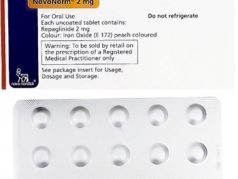
Oral medications form the foundation of Type 2 Diabetes management for many Australians. Several drug classes are available, each working through different mechanisms to lower blood glucose levels.
Your GP will determine the most suitable medication based on your individual health profile, blood glucose levels, and lifestyle factors.
When oral medications alone are insufficient, injectable treatments become necessary. These include modern insulin types and newer injectable medications.
Basal Insulins provide steady, long-acting glucose control and form the foundation of insulin therapy. Glargine and Degludec are commonly prescribed in Australia, administered once daily. Rapid-Acting Insulins like Lispro and Aspart work quickly after meals to prevent blood sugar spikes. They're flexible and suitable for varied meal schedules.
Biphasic Insulins combine rapid and intermediate-acting insulins in one injection, simplifying regimens for some patients. These are particularly useful for those struggling with multiple daily injections.
GLP-1 Injectable Agonists such as Semaglutide pens and Dulaglutide offer weekly dosing options. These reduce appetite, promote weight loss, and provide excellent glucose control. They're increasingly recommended in Australia for eligible patients.
Modern insulin delivery systems in Australia include prefilled pens and programmable pumps, making management more user-friendly. Your healthcare provider will establish a personalised insulin regimen matching your lifestyle and requirements.
Effective diabetes management depends on regular monitoring. Various testing methods help track blood glucose levels and guide treatment adjustments.
Self-Monitoring Blood Glucose (SMBG) using fingertip blood samples provides immediate results. Meters like Accu-Chek and FreeStyle are widely available in Australian pharmacies. Testing frequency varies based on medication type and individual needs.
Continuous Glucose Monitors (CGMs) use sensors worn on the skin to measure glucose levels every few minutes. Options available in Australia include FreeStyle Libre and Dexcom. These devices particularly benefit people on insulin therapy, providing real-time trends and alerts.
HbA1c Testing measures average blood glucose over the previous three months. This blood test, performed quarterly or biannually, helps assess overall diabetes control and treatment effectiveness. Fasting Blood Glucose measures blood sugar after eight hours without food, providing baseline information. Normal levels are below 5.5 mmol/L, whilst diabetes is typically diagnosed at 7.0 mmol/L or higher.
Australian diabetes educators can teach proper testing techniques and interpretation. Regular monitoring empowers you to make informed decisions about diet, activity, and medication adjustments.
Alongside medications, lifestyle modifications are essential for successful diabetes management. These changes often improve outcomes significantly and may reduce medication requirements.
Nutrition and Diet forms a cornerstone of management. A balanced diet emphasising whole grains, lean proteins, vegetables, and healthy fats helps stabilise blood glucose. Limiting refined carbohydrates, sugary drinks, and processed foods is particularly important. An Accredited Practising Dietitian in Australia can provide personalised meal planning.
Physical Activity improves insulin sensitivity and promotes weight management. The Australian guidelines recommend at least 150 minutes of moderate-intensity activity weekly, including resistance training twice weekly. Even brief activity after meals helps reduce blood glucose spikes.
Weight Management particularly benefits Type 2 Diabetes patients. Modest weight loss of 5-10% significantly improves blood glucose control and reduces medication requirements. Stress Management and adequate sleep affect blood glucose regulation. Chronic stress elevates cortisol, worsening glucose control, whilst poor sleep impairs insulin sensitivity.
Regular Health Checks including annual eye screening, kidney function tests, and foot assessments prevent complications. These are typically covered by PBS for registered patients. Smoking Cessation dramatically reduces cardiovascular complications. Australian pharmacies stock nicotine replacement therapies and prescription medications supporting quit attempts.
Proper diabetes management prevents serious complications affecting multiple body systems. Proactive monitoring and early intervention are key to maintaining quality of life.
Diabetic Retinopathy, affecting the eyes, can progress to blindness if undetected. Annual eye screening by an optometrist identifies early changes when treatment remains effective. Diabetic Nephropathy, involving kidney damage, often develops silently. Regular urine tests and kidney function monitoring through your GP detect problems early, with medications like ACE inhibitors providing protection.
Diabetic Neuropathy, causing nerve damage, leads to foot problems and pain. Daily foot inspection for cuts or sores, regular podiatry care, and appropriate footwear prevent serious infections. Cardiovascular Disease risk increases significantly with diabetes. Blood pressure and cholesterol management through medication and lifestyle changes reduce heart attack and stroke risk. Many people with diabetes require antihypertensive medications and statins.
Foot Care deserves particular attention. Regular professional care, daily inspection, appropriate shoes, and prompt treatment of any injuries prevent ulcers and amputations. Regular GP Reviews every three to six months monitor glucose control, medication effectiveness, and complication development. Your healthcare team adjusts treatments based on progress and emerging needs.
Australian pharmacists play a vital role in this care team, providing medication counselling, monitoring for side effects, and reinforcing lifestyle recommendations. Building strong relationships with your healthcare providers optimises outcomes and quality of life. Together, through comprehensive management and proactive care, you can successfully manage diabetes and maintain your wellbeing for years to come.